 By Emma Hartley, Food Editor
Reviewed & updated September 2026
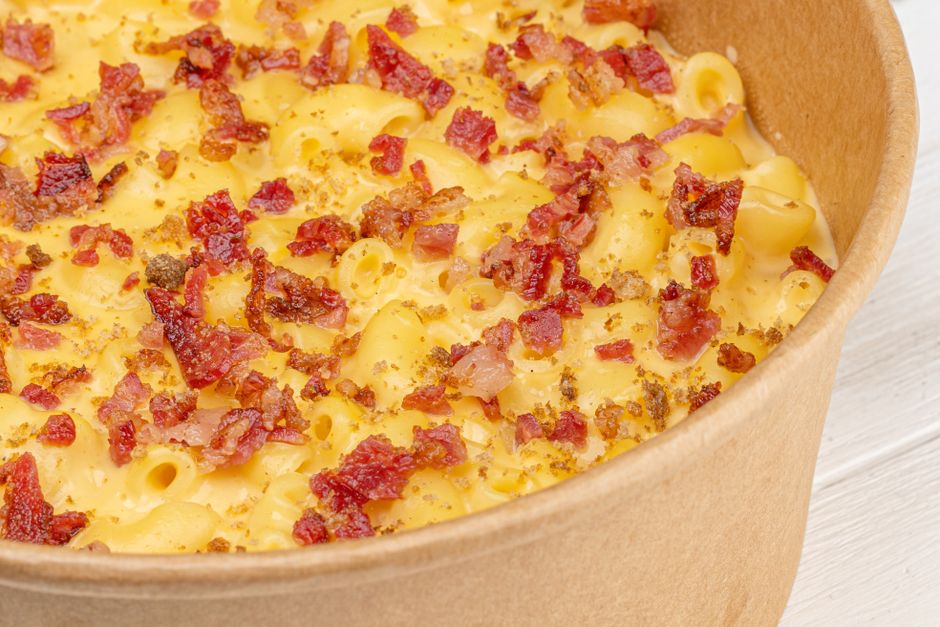
Classic mac and cheese is pure comfort food, but a standard bowl leans heavily on refined carbs and light on protein — which is why it never keeps you full for long. This version swaps in a protein-boosted pasta and a cottage cheese-blended sauce so you get the same creamy, cheesy bowl with roughly triple the protein of the box stuff, without tasting like a "diet" version at all.
 Quick navigationCurated by Emma · 8 min read
Why this version works
The trick is blending cottage cheese into the sauce instead of relying on cream or flour-based roux alone. Blended smooth, cottage cheese disappears completely into a cheese sauce — no lumps, no tang — while adding a serious protein boost. Pairing it with a protein or chickpea pasta pushes the whole pot even higher, so a single bowl can land well over 30 grams of protein.
Ingredients
High-Protein Mac and Cheese
A creamy, one-pot mac and cheese made with a blended cottage cheese sauce and protein pasta for a comfort food dinner with real staying power.
☆☆☆☆☆
Ingredients
- 12 oz protein or chickpea elbow pasta (regular pasta works too)
- 1 cup low-fat cottage cheese
- 1/2 cup milk (any kind)
- 1 tsp Dijon mustard
- 1/2 tsp garlic powder
- 1/2 tsp smoked paprika
- Salt and black pepper, to taste
- 1 1/2 cups shredded sharp cheddar cheese
- 1/2 cup shredded mozzarella cheese
- 1 tbsp butter
- Optional: chopped chives or extra black pepper for topping
Instructions
- Step 1. Bring a large pot of salted water to a boil and cook the pasta according to package directions until al dente. Reserve 1/2 cup of the pasta water, then drain.
- Step 2. While the pasta cooks, blend the cottage cheese, milk, Dijon mustard, garlic powder, and smoked paprika in a blender or with an immersion blender until completely smooth, about 1 minute.
- Step 3. Return the empty pasta pot to low heat and melt the butter.
- Step 4. Pour in the blended cottage cheese mixture and stir constantly for 2-3 minutes until warmed through and slightly thickened. Do not let it boil hard, or the sauce can separate.
- Step 5. Reduce heat to low and add the shredded cheddar and mozzarella a handful at a time, stirring until fully melted and smooth after each addition.
- Step 6. Add the cooked pasta back into the pot and toss to coat, adding a splash of the reserved pasta water if the sauce needs loosening.
- Step 7. Season with salt and pepper to taste, top with chives or extra black pepper if desired, and serve immediately.
Tips for the best texture
- Blend the cottage cheese thoroughly. A regular blender gives the smoothest result; an immersion blender works fine too, just blend a full minute so there's zero graininess.
- Keep the heat low once cheese goes in. High heat can cause shredded cheese to seize and turn grainy or oily instead of silky.
- Use freshly shredded cheese, not pre-shredded. Bagged shredded cheese is coated in anti-caking starch that can make sauces gritty and less smooth.
- Don't skip the pasta water. The starchy water helps the sauce cling to the pasta and loosens it back up if it thickens too much while sitting.
Ingredient swaps and variations
- Protein boost: Stir in a scoop of unflavored or savory protein powder with the milk for an extra protein bump — start with a small amount to make sure it doesn't affect the flavor.
- Veggie add-in: Stir in steamed broccoli, peas, or sautéed spinach right before serving for extra fiber and color.
- Spicy version: Add a pinch of cayenne or a spoonful of hot sauce to the sauce mixture.
- Bacon or chicken: Fold in cooked, crumbled turkey bacon or shredded rotisserie chicken for even more protein and a heartier meal.
- Baked finish: Transfer the finished mac and cheese to a baking dish, top with extra shredded cheese and breadcrumbs, and broil for 3-4 minutes until golden for a baked mac and cheese texture.
Storage and reheating
Store leftovers in an airtight container in the fridge for up to 4 days. The sauce will thicken as it chills — reheat gently on the stovetop or in the microwave with a splash of milk stirred in to bring the sauce back to its original creamy consistency. This recipe isn't ideal for freezing, since dairy-based sauces can separate and turn grainy after thawing.
What to serve with it
A simple green salad with a light vinaigrette balances the richness well, and steamed or roasted broccoli is a classic pairing that also boosts the meal's fiber. For a heartier dinner, add a side of garlic bread or roasted chicken thighs.
The takeaway
This high-protein mac and cheese proves that a genuinely comforting, cheesy dinner doesn't have to be a nutritional afterthought. The blended cottage cheese sauce is the whole trick — it disappears into the dish completely while quietly tripling the protein of a standard bowl, so you get something that eats like an indulgence and functions like a balanced meal.
Frequently asked questions
Can I taste the cottage cheese in this recipe?
No — once it's fully blended smooth and combined with the cheddar and mozzarella, cottage cheese disappears completely into the sauce. Even people who dislike cottage cheese on its own typically can't detect it in this dish.
Can I make this recipe ahead of time?
It's best fresh since the sauce is creamiest right after cooking, but you can make it up to 2 days ahead and reheat gently with a splash of milk. The texture softens slightly on reheating but still tastes great.
Is protein pasta necessary for this recipe?
No, regular pasta works fine and the dish will still have significantly more protein than traditional mac and cheese thanks to the cottage cheese sauce. Protein or chickpea pasta simply pushes the total protein count even higher if that's a priority.
Can I make this recipe gluten-free?
Yes — swap in your favorite gluten-free elbow pasta and double-check that your shredded cheeses don't include any anti-caking additives with gluten, which is rare but worth a quick label check.
Read next
Further reading & trusted sources
The step most people skip
Letting the blended cottage cheese sauce hit a hard boil is the most common way this recipe goes wrong, since the proteins that make cottage cheese disappear seamlessly when warmed gently will break and turn grainy under high heat, and that texture doesn’t smooth back out once it happens. Bagged pre-shredded cheese resists melting into a silky sauce more than block cheese shredded fresh, because the anti-caking starch coating it’s tossed in is specifically designed to keep shreds from clumping — which works against you the moment you actually want it to melt smooth.
Emma thinks a recipe has failed if it needs a long backstory before the ingredients — so hers get straight to the point, with the small technique notes that actually change how a dish turns out. She leads The Nourish Kitchen’s recipes and food guides, writing each one to work in a real, busy kitchen rather than a photo studio. AI tools help with research and drafting, and a human checks every recipe for clarity and food safety before it publishes. Nutrition figures are honest estimates, never guarantees.