 By Emma Hartley, Food Editor
Reviewed & updated September 2026
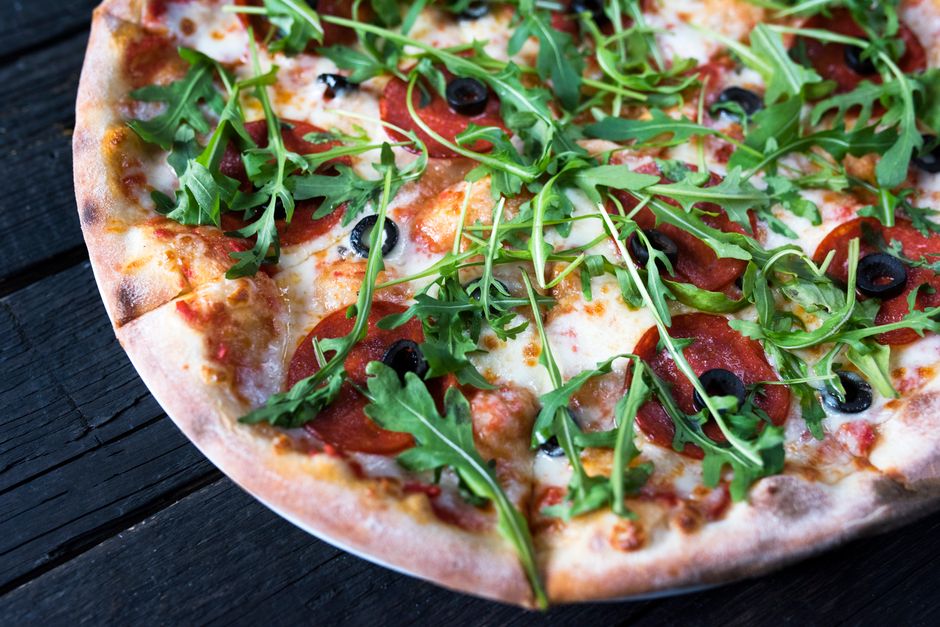
Pizza doesn't have to be a protein wasteland. With a cottage cheese-boosted dough and a generous chicken topping, this version delivers real protein per slice while still tasting like the pizza you actually want to eat — no cauliflower crust required.
 Quick navigationCurated by Emma · 7 min read
Why this pizza actually works
The trick isn't some protein powder gimmick — it's blending cottage cheese into the dough itself, which adds protein and moisture without changing the flavor once it's baked. Combined with a generous layer of mozzarella and a lean protein topping like chicken or turkey pepperoni, one pizza gets you a genuinely high-protein dinner that doesn't taste like a "diet" version of the real thing.
This isn't a low-carb or keto recipe — it's a regular pizza with the protein numbers rebalanced so a couple of slices actually fill you up and support your day, rather than leaving you hungry an hour later.
High-Protein Pizza
A cottage cheese-boosted dough topped with chicken, mozzarella, and marinara for a genuinely high-protein pizza night.
☆☆☆☆☆
Ingredients
- 1 cup self-rising flour
- 1 cup cottage cheese (blended smooth)
- 1/2 tsp garlic powder
- 1/2 tsp Italian seasoning
- 1/2 cup marinara sauce
- 1 1/2 cups shredded mozzarella cheese
- 1 cup cooked, shredded or diced chicken breast
- 2 tbsp grated Parmesan
- Red pepper flakes, optional
- Fresh basil, optional, for topping
Instructions
- Step 1. Preheat oven to 450°F (230°C) with a baking sheet or pizza stone inside to preheat.
- Step 2. Blend the cottage cheese in a blender or food processor until completely smooth, about 30-60 seconds.
- Step 3. In a bowl, mix the self-rising flour with the blended cottage cheese, garlic powder, and Italian seasoning until a soft dough forms. Knead briefly on a floured surface, about 1 minute, until it holds together.
- Step 4. Roll or press the dough into a 10-12 inch round on parchment paper.
- Step 5. Carefully slide the parchment with the dough onto the preheated baking sheet or stone.
- Step 6. Bake the plain crust for 6-7 minutes until just starting to set and lightly golden at the edges.
- Step 7. Remove from the oven, spread marinara sauce evenly, then top with mozzarella, chicken, and Parmesan.
- Step 8. Return to the oven and bake another 8-10 minutes until the cheese is melted and bubbling and the crust is golden.
- Step 9. Top with red pepper flakes and fresh basil if using. Slice into 4 pieces and serve.
Tips for the best crust
Blend the cottage cheese completely smooth. Skipping this step is the most common mistake — unblended curds leave lumps in the dough and an uneven texture once baked. A blender or food processor takes less than a minute and makes all the difference.
Pre-bake the crust before adding toppings. This short blind-bake step keeps the center from turning soggy under the weight of sauce and cheese. Don't skip it even though it adds a few minutes.
Don't overload the sauce. A thin, even layer of marinara is enough. Too much sauce is the number one reason homemade pizza crusts end up soft in the middle instead of crisp.
Preheat your baking surface. Sliding the dough onto an already-hot baking sheet or stone gives the bottom crust a head start on crisping, closer to what you'd get from a pizza oven.
Variations
Buffalo chicken version. Swap the marinara for a thin layer of buffalo sauce mixed with a spoonful of Greek yogurt, and top with shredded chicken and a drizzle of ranch after baking.
Veggie-loaded version. Add sautéed spinach, mushrooms, and bell peppers along with the chicken for extra volume and micronutrients without much added calories.
Extra-crispy crust. Roll the dough slightly thinner and pre-bake for an extra 2 minutes before adding toppings if you prefer a cracker-style crust over a chewier one.
Turkey pepperoni swap. Replace the shredded chicken with turkey pepperoni for a more traditional pizza flavor while keeping the protein count high.
Storage and reheating
Leftover slices keep well in the refrigerator for up to 4 days in an airtight container. Reheat in a skillet over medium-low heat with a lid for a few minutes to re-crisp the bottom without drying out the cheese — microwaving works in a pinch but leaves the crust softer.
To freeze, let baked slices cool completely, then wrap individually and freeze for up to 2 months. Reheat directly from frozen in a 375°F oven for about 12-15 minutes.
The takeaway
This high-protein pizza proves you don't have to choose between "tastes like real pizza" and "actually fills you up." The cottage cheese dough is the quiet workhorse here — it disappears into the crust texture-wise while quietly boosting the protein count of the whole meal. Keep a batch of cooked, shredded chicken on hand and this becomes a genuinely fast weeknight dinner.
Frequently asked questions
Can I taste the cottage cheese in the crust?
No — once it's blended smooth and baked, it disappears into the texture of the dough. It adds moisture and protein without an identifiable cottage cheese flavor.
Can I make this pizza ahead of time?
Yes. You can pre-bake the plain crust, let it cool, then store it in the fridge for up to 2 days before adding toppings and finishing the bake.
What can I use instead of self-rising flour?
Mix 1 cup all-purpose flour with 1 1/2 tsp baking powder and 1/4 tsp salt as a substitute if you don't have self-rising flour on hand.
Is this recipe gluten-free?
Not as written, since it uses wheat flour. You could experiment with a 1:1 gluten-free flour blend, though the texture and rise may vary from the original.
Read next

Further reading & trusted sources
From our test kitchen
Skipping the blind-bake on the crust is why homemade pizza so often turns soggy in the center — the few extra minutes before toppings go on is what actually fixes it, not a thicker crust. Blending the cottage cheese fully smooth matters more than people expect; unblended curds leave a noticeably lumpy texture once baked.
Emma thinks a recipe has failed if it needs a long backstory before the ingredients — so hers get straight to the point, with the small technique notes that actually change how a dish turns out. She leads The Nourish Kitchen’s recipes and food guides, writing each one to work in a real, busy kitchen rather than a photo studio. AI tools help with research and drafting, and a human checks every recipe for clarity and food safety before it publishes. Nutrition figures are honest estimates, never guarantees.