 By Emma Hartley, Food Editor
Reviewed & updated September 2026
Takeout fried rice is mostly rice, with a scattering of egg and maybe a few shreds of meat if you're lucky. This version rebalances the plate — a full serving of protein from both chicken and egg, plenty of vegetables, and just enough rice to hold it together — all done in one pan in about 20 minutes.
 What this guide coversCurated by Emma · 8 min read
Why this recipe works
The trick to good fried rice, high-protein or not, is cooking in stages and using cold, day-old rice. Freshly cooked rice is too wet and clumps together when fried; rice that's been refrigerated overnight has dried out just enough to fry into separate, slightly chewy grains instead of a mushy pile.
For the protein side, this recipe cooks the chicken and eggs separately from the rice and vegetables, then combines everything at the end. That keeps the eggs from turning rubbery and the chicken from getting lost and overcooked while the rice fries — the same stage-cooking principle that makes restaurant fried rice taste different from a home version that dumps everything in a pan at once.
High-Protein Fried Rice
A one-pan fried rice loaded with chicken and egg for extra protein, ready in about 20 minutes using day-old rice.
☆☆☆☆☆
Ingredients
- 3 cups cooked, cold day-old rice (white or brown)
- 1 lb boneless, skinless chicken breast, diced small
- 3 large eggs, beaten
- 2 tbsp neutral oil, divided
- 1 cup frozen peas and carrots, thawed
- 1/2 cup diced onion
- 3 cloves garlic, minced
- 3 tbsp low-sodium soy sauce
- 1 tbsp oyster sauce
- 1 tsp sesame oil
- 2 green onions, sliced
- Salt and pepper, to taste
Instructions
- Step 1. Heat 1 teaspoon of oil in a large skillet or wok over medium-high heat. Pour in the beaten eggs, scramble until just set, and remove to a plate.
- Step 2. Add another teaspoon of oil to the pan. Season the diced chicken with salt and pepper, add to the pan, and cook for 5-6 minutes until golden and cooked through. Remove and set aside with the eggs.
- Step 3. Add the remaining oil to the pan. Add the onion and cook for 2 minutes until softened, then add the garlic and peas and carrots, cooking for 1-2 minutes more.
- Step 4. Add the cold rice, breaking up any clumps with a spatula, and stir-fry for 3-4 minutes until the rice is heated through and starting to crisp slightly in spots.
- Step 5. Push the rice to the sides of the pan, pour the soy sauce, oyster sauce, and sesame oil into the center, then stir everything together so the sauce coats the rice evenly.
- Step 6. Return the chicken and eggs to the pan and toss everything together for 1-2 minutes until fully combined and heated through.
- Step 7. Top with sliced green onion and serve immediately.
Tips for the best fried rice
Use cold, day-old rice. This is the single most important tip for fried rice texture. If you don't have leftover rice, spread freshly cooked rice on a baking sheet and refrigerate it uncovered for 30-60 minutes to dry it out before using.
Don't overcrowd the pan. Fried rice needs high heat and room to move around the pan. If your skillet feels small for the volume of rice, cook in two batches rather than steaming everything in a packed pan.
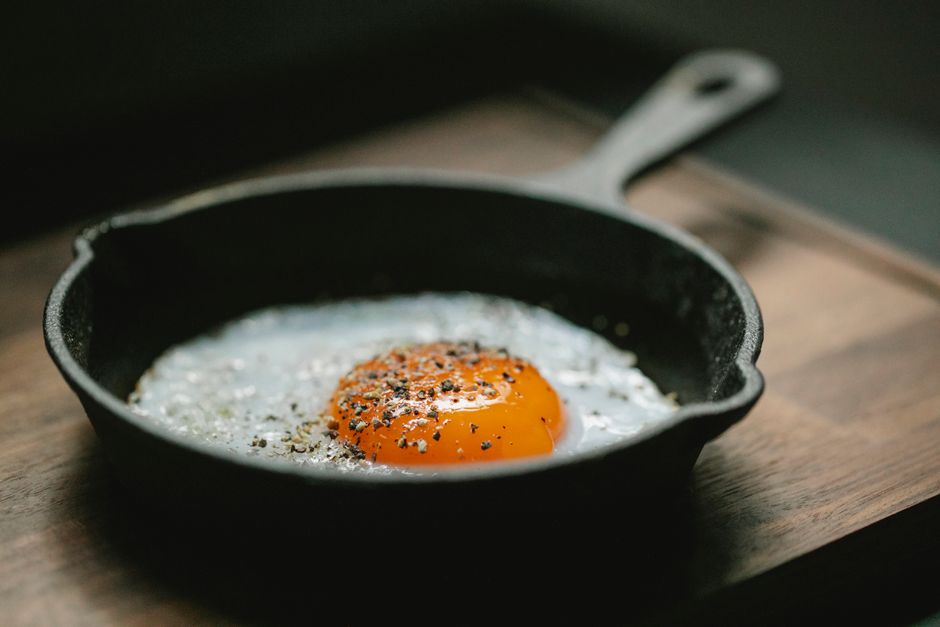
Scramble the eggs separately. Cooking the eggs on their own first and folding them back in at the end keeps them from turning rubbery, which is what happens when eggs are added raw to a pan already full of hot rice.
Season in layers. Adding a little soy sauce with the vegetables and saving the rest for the final toss builds more consistent flavor than dumping all the sauce in at once.
Variations
Shrimp fried rice. Swap the chicken for peeled, deveined shrimp — cook for just 2-3 minutes per side since shrimp cooks much faster than chicken.
Vegetarian fried rice. Skip the chicken and add extra egg or a diced block of pan-seared firm tofu for protein, using vegetable broth or extra soy sauce for flavor.
Brown rice version. Brown rice works just as well as white rice here and adds more fiber — just make sure it's also cold and day-old for the best texture.
Spicier version. Add a drizzle of chili crisp or a spoonful of sriracha to the final toss for heat.
Storage and reheating
Store leftovers in an airtight container in the refrigerator for up to 4 days. Fried rice also freezes reasonably well for up to 2 months — thaw overnight in the fridge before reheating.
Reheat in a skillet over medium heat with a splash of water or oil to loosen it up, or in the microwave in 60-second intervals, stirring in between. A quick pan reheat generally restores more of the original texture than the microwave.
The takeaway
High-protein fried rice comes down to the same fundamentals as any good fried rice — cold rice, high heat, and staged cooking — with chicken and egg doing the heavy lifting on protein. Once the technique clicks, it's an easy way to turn leftover rice into a genuinely satisfying, protein-forward dinner in about 20 minutes.
Frequently asked questions
Can I use freshly cooked rice instead of day-old rice?
You can, but the texture won't be as good — fresh rice holds more moisture and tends to clump or turn mushy when fried. Spreading it out to cool and dry for 30-60 minutes helps if you don't have leftovers on hand.
Is fried rice good for meal prep?
Yes, it holds up well in the fridge for several days and reheats easily, making it a solid make-ahead option for lunches or quick dinners.
Can I add more vegetables?
Absolutely — corn, bell peppers, broccoli, and bean sprouts all work well. Just keep the total vegetable volume similar so the rice-to-mix-in ratio stays balanced.
Why is my fried rice mushy?
This usually means the rice was too fresh or too moist, the pan wasn't hot enough, or the pan was overcrowded, which traps steam instead of frying the grains.
Read next
Further reading & trusted sources
From our test kitchen
Rice that’s merely cold isn’t automatically dry enough — rice refrigerated in a sealed container overnight still traps surface moisture and can fry up nearly as clumpy as fresh rice, which is why spreading it uncovered on a sheet pan for even 30 minutes makes a bigger texture difference than the ‘day-old’ rule implies on its own. The other overlooked step is scrambling the eggs separately before they ever touch the hot rice; eggs added raw into a pan already crowded with rice and vegetables steam instead of set, turning soft and slimy instead of forming distinct curds.
Emma thinks a recipe has failed if it needs a long backstory before the ingredients — so hers get straight to the point, with the small technique notes that actually change how a dish turns out. She leads The Nourish Kitchen’s recipes and food guides, writing each one to work in a real, busy kitchen rather than a photo studio. AI tools help with research and drafting, and a human checks every recipe for clarity and food safety before it publishes. Nutrition figures are honest estimates, never guarantees.