 By Emma Hartley, Food Editor
Reviewed & updated September 2026
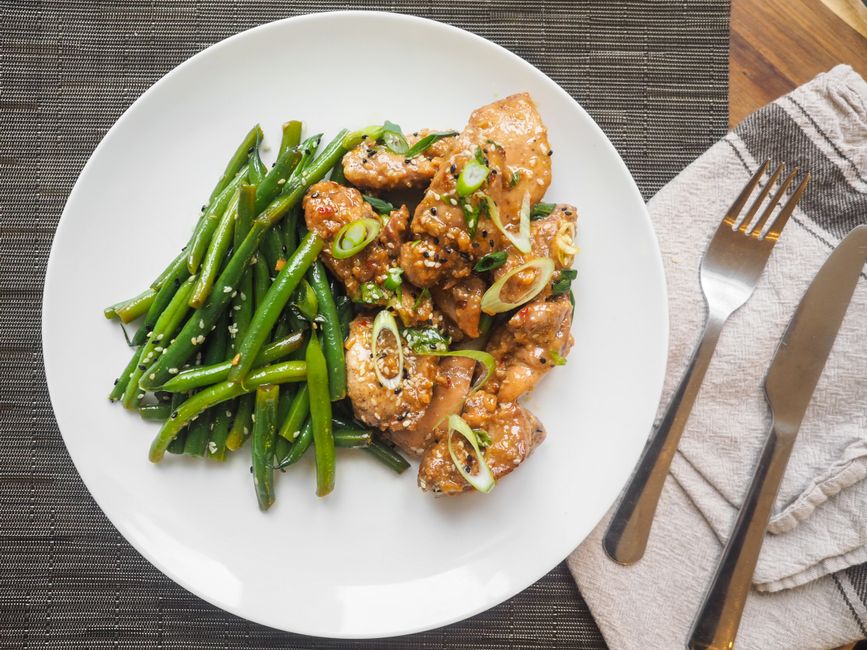
Takeout orange chicken is deep-fried and drowning in a sugary sauce from a bag. This version skips the deep fryer, uses a sauce built from real orange juice and zest, and still delivers that same sticky-sweet, tangy hit — in about 30 minutes, from your own kitchen.
 What you’ll find insideCurated by Emma · 6 min read
Why this version works better than takeout
Restaurant orange chicken usually relies on a deep-fried batter and a sauce that's mostly sugar and food coloring. This recipe lightly coats the chicken in cornstarch and pan-fries it in a fraction of the oil, then builds the sauce from real orange juice, zest, garlic, and ginger — so the orange flavor is actually orange, not just orange-colored.
It also reheats better than takeout, since a lighter coating doesn't turn soggy in the fridge the way a deep-fried batter does.
Ingredients you'll need
- 1.5 lbs boneless, skinless chicken thighs or breasts, cut into bite-size pieces
- 1/3 cup cornstarch, plus 1 tablespoon for the sauce
- 2 tablespoons vegetable oil
- 3 cloves garlic, minced
- 1 tablespoon fresh ginger, minced
- 3/4 cup fresh orange juice
- Zest of 1 orange
- 3 tablespoons soy sauce
- 3 tablespoons brown sugar
- 1 tablespoon rice vinegar
- 1/2 teaspoon red pepper flakes (optional, for heat)
- 2 green onions, sliced, for garnish
- Sesame seeds, for garnish
Step-by-step instructions
- Toss the chicken pieces in 1/3 cup cornstarch until evenly coated, shaking off any excess.
- Heat oil in a large skillet or wok over medium-high heat. Add the chicken in a single layer (work in batches if needed to avoid crowding) and cook 6-8 minutes, turning occasionally, until golden and cooked through. Remove and set aside.
- Lower heat to medium. Add garlic and ginger to the same pan and cook 30 seconds until fragrant.
- Add orange juice, zest, soy sauce, brown sugar, rice vinegar, and red pepper flakes. Bring to a simmer.
- Whisk the remaining 1 tablespoon cornstarch with 2 tablespoons water, then stir into the sauce. Simmer 1-2 minutes until thickened enough to coat the back of a spoon.
- Return the chicken to the pan and toss to coat evenly in the sauce, cooking another 1-2 minutes until everything is glossy and hot.
- Garnish with green onions and sesame seeds before serving.
Tips for the best texture
Don't skip the cornstarch coating. It's what gives the chicken a light crisp edge without deep frying — skipping it results in a softer, less textured bite.
Cook the chicken in batches if your pan is small. Overcrowding steams the chicken instead of browning it, and you'll lose the crisp edges the coating is meant to create.
Add the chicken back to the sauce right before serving. Letting coated chicken sit in the sauce too long before eating will soften the exterior — good for a saucy dish, but time it so it doesn't sit for more than a few minutes.
Zest the orange before juicing it. It's much easier to zest a whole orange than a juiced one, and the zest carries a lot of the actual orange flavor in the sauce.
Variations to try
- Make it spicier with an extra 1/2 teaspoon red pepper flakes or a small drizzle of chili garlic sauce.
- Swap chicken for tofu — press and cube firm tofu, coat and pan-fry the same way for a vegetarian version.
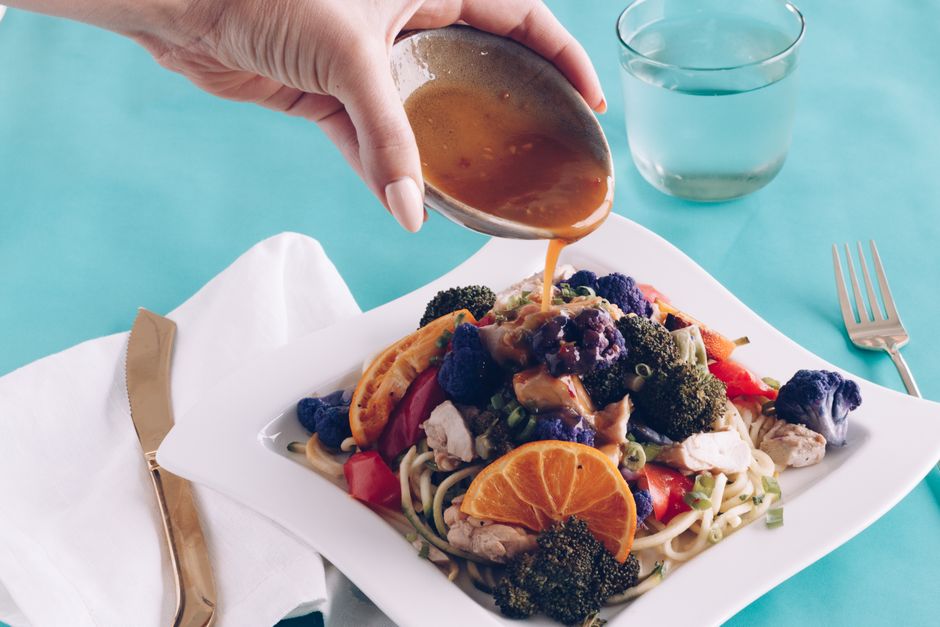
- Add vegetables like broccoli, bell peppers, or snap peas — steam or stir-fry them separately and toss in during the last minute.
- Make it gluten-free by swapping regular soy sauce for tamari or a gluten-free soy sauce alternative.
What to serve with orange chicken
Steamed white or brown rice is the classic pairing, since it soaks up the extra sauce well. Fried rice or lo mein noodles both work too if you want a heartier meal, and a side of steamed or stir-fried broccoli rounds it out with some color and crunch.
Storage and reheating
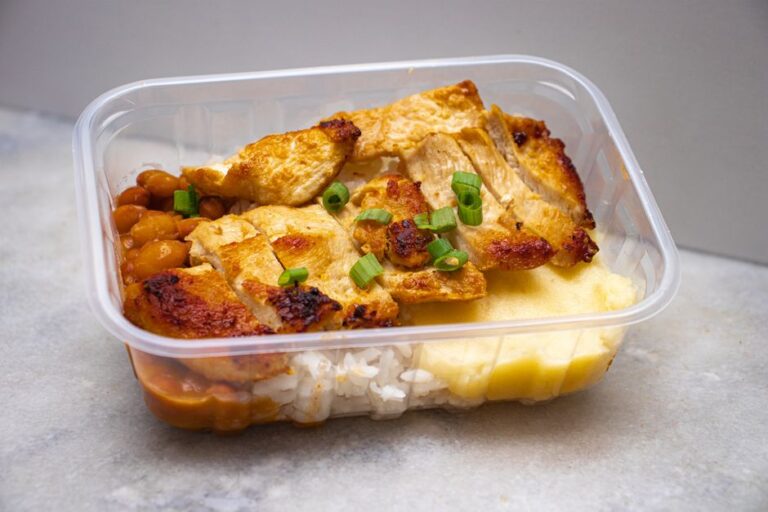
Store leftovers in an airtight container in the refrigerator for up to 3 days. Reheat in a skillet over medium heat rather than the microwave when possible — this helps the coating stay slightly crisp instead of turning fully soft. The sauce will thicken further as it chills; add a splash of water or orange juice when reheating if it looks too thick.
This dish freezes reasonably well for up to 2 months, though the texture of the coating softens somewhat after thawing — still tasty, just less crisp than fresh.
The takeaway
Homemade orange chicken trades the deep fryer and bagged sauce for a lightly pan-fried chicken and a sauce built from real orange juice, zest, and aromatics — and it comes together in about the same time as ordering takeout. The cornstarch coating is the key technique to get right for texture, and the rest is a straightforward simmer-and-toss sauce.
Frequently asked questions
Can I use chicken breast instead of thighs?
Yes — chicken breast works fine, though thighs tend to stay juicier if slightly overcooked. If using breast, keep a close eye on cook time to avoid drying it out.
Is this recipe as sweet as restaurant orange chicken?
It's noticeably less sweet, since it relies on real orange juice rather than a heavily sugared sauce base. You can add an extra tablespoon of brown sugar if you prefer a sweeter profile closer to takeout.
Can I bake the chicken instead of pan-frying it?
Yes — bake cornstarch-coated chicken pieces on a lined sheet pan at 425°F for about 18-20 minutes, flipping halfway, then toss in the stovetop sauce as directed. It won't be quite as crisp as pan-frying but is a lighter option.
What can I use instead of fresh orange juice?
Fresh-squeezed gives the best flavor, but 100% orange juice from a carton works in a pinch. Avoid orange juice concentrate or sweetened juice drinks, which will throw off the sauce's balance.
Read next
Further reading & trusted sources
The detail that makes the difference
The cornstarch coating on the chicken does more work than most people expect from something that isn’t deep-fried — skip it and the pan sauce simply slides off instead of clinging, since there’s nothing on the meat’s surface for the thickened sauce to grip onto. Zesting the orange before juicing it is the step people skip most often, and it matters more than the type of orange used, since a big share of the actual orange flavor in the sauce comes from the oils in the zest rather than the juice alone.
Emma thinks a recipe has failed if it needs a long backstory before the ingredients — so hers get straight to the point, with the small technique notes that actually change how a dish turns out. She leads The Nourish Kitchen’s recipes and food guides, writing each one to work in a real, busy kitchen rather than a photo studio. AI tools help with research and drafting, and a human checks every recipe for clarity and food safety before it publishes. Nutrition figures are honest estimates, never guarantees.