 By Emma Hartley, Food Editor
Reviewed & updated September 2026
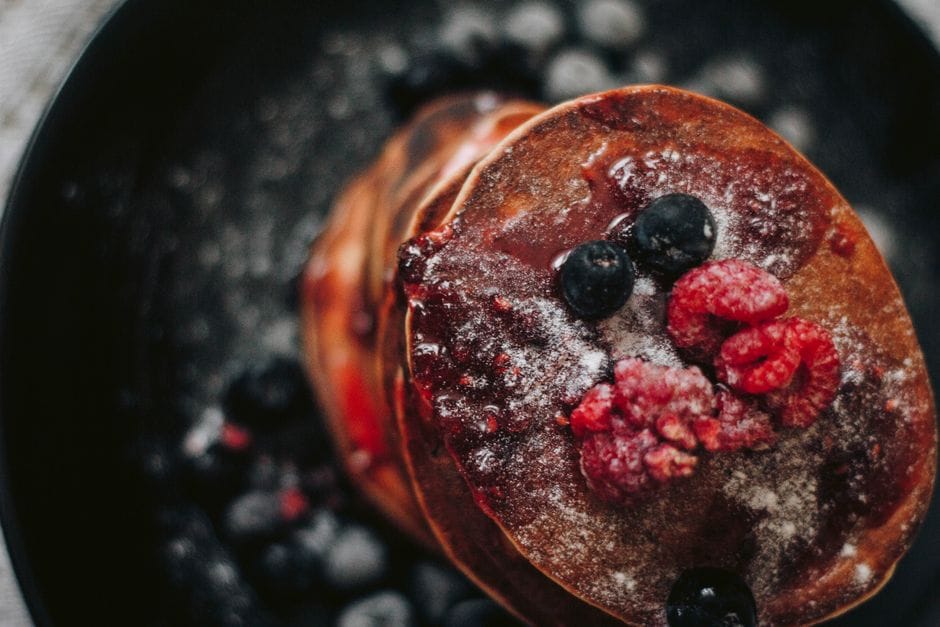
Protein pancakes have a reputation for being dense, rubbery, or tasting like chalk — usually because the recipe leans entirely on protein powder to do the work. This version builds protein in naturally with cottage cheese and eggs, so you get a genuinely fluffy stack that also happens to keep you full a lot longer than a regular short stack.
 Jump to a sectionCurated by Emma · 8 min read
High-Protein Pancakes
Fluffy pancakes made with cottage cheese and eggs for a natural protein boost, no protein powder required.
☆☆☆☆☆
Ingredients
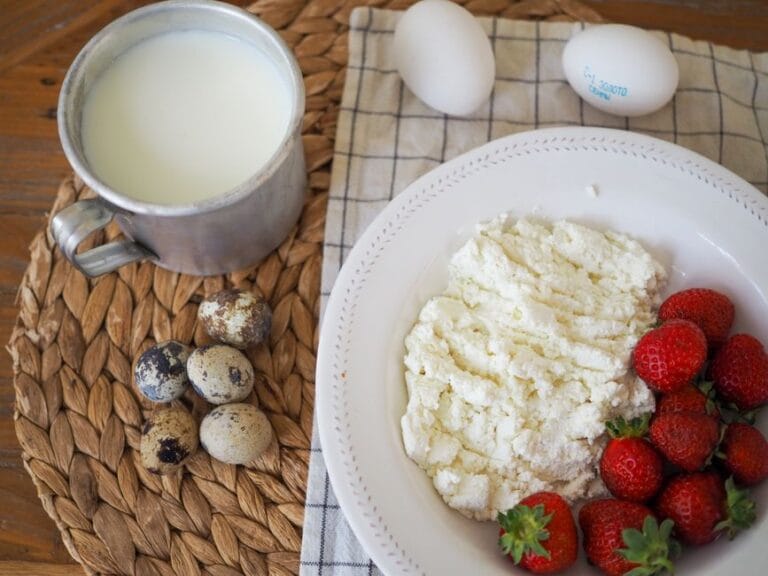
- 1 cup cottage cheese
- 4 large eggs
- 1 cup all-purpose flour (or oat flour)
- 2 tablespoons maple syrup, plus more for serving
- 1 teaspoon baking powder
- 1/2 teaspoon vanilla extract
- Pinch of salt
- Butter or oil for the pan
- Fresh berries, for serving
Instructions
- Step 1. Add the cottage cheese, eggs, maple syrup, and vanilla extract to a blender and blend until completely smooth, about 30 seconds.
- Step 2. Add the flour, baking powder, and salt to the blender and pulse a few times just until combined. Avoid over-blending, which can make the pancakes tough.
- Step 3. Let the batter rest for 5 minutes while you heat a nonstick skillet or griddle over medium-low heat.
- Step 4. Lightly grease the pan with butter or oil. Pour about 1/4 cup of batter per pancake onto the skillet.
- Step 5. Cook until bubbles form across the surface and the edges look set, about 2-3 minutes, then flip and cook another 1-2 minutes until golden.
- Step 6. Repeat with the remaining batter, adding more butter to the pan as needed.
- Step 7. Serve warm topped with fresh berries and a drizzle of maple syrup.
Why cottage cheese works so well in pancakes
Cottage cheese might sound like an odd pancake ingredient, but once it's blended smooth, it disappears completely into the batter — no lumps, no tang you can actually detect, and no grainy texture. What it does leave behind is a genuinely fluffy, slightly rich crumb and a big protein boost from a food that's naturally high in casein protein, a slow-digesting protein that tends to keep you fuller for longer than a typical carb-heavy breakfast.
Using cottage cheese and eggs instead of protein powder also means you skip the artificial sweeteners, gums, and sometimes gritty texture that flavored protein powders can bring into a pancake batter.
The blender is doing the important work here
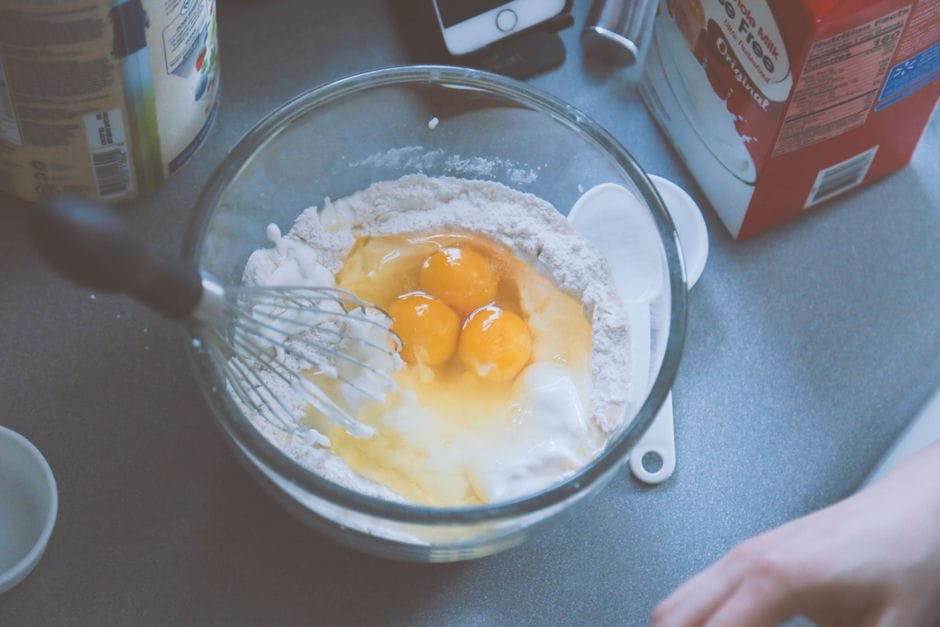
The one non-negotiable step in this recipe is blending the cottage cheese with the eggs until it's completely smooth before adding any flour. Skipping this step, or under-blending, is the single biggest reason cottage cheese pancakes turn out lumpy or don't rise properly — the curds need to be fully broken down so they integrate into the batter rather than sitting as separate pockets.
A regular blender or even an immersion blender works fine. If you don't have either, pushing the cottage cheese through a fine-mesh sieve before mixing is a slower but workable alternative.
Getting the fluffiest texture
A few details make the difference between flat, dense pancakes and tall, fluffy ones. First, don't overmix once the flour goes in — a few lumps in the batter are fine and actually help keep the texture light, since overworking the batter develops gluten and toughens the pancake.
Second, resist the urge to press down on the pancakes with your spatula while they cook. Pressing squeezes out the air bubbles that are creating the fluffy texture in the first place.
Third, keep the heat at medium-low rather than medium-high. A hotter pan browns the outside before the inside has time to cook through, which is a common reason pancakes end up doughy in the center despite looking done on the surface.
Substitutions that actually work
Flour: Oat flour (blend rolled oats until fine) works well for a gluten-free version and adds a slightly heartier texture. Whole wheat flour also works but produces a denser pancake, so consider using half whole wheat and half all-purpose if you want the fiber boost without too much density.
Sweetener: Honey can replace maple syrup in the batter at a 1-to-1 ratio. For a lower-sugar version, you can reduce the sweetener in the batter to 1 tablespoon, since most of the sweetness ends up coming from the toppings anyway.
Dairy-free: Full-fat blended silken tofu can substitute for cottage cheese in a pinch, though the protein content and flavor will shift noticeably — it's a different pancake, not a direct swap.
Storage and make-ahead tips
These pancakes keep well in the refrigerator for up to 4 days in an airtight container, and they reheat nicely in a toaster or a skillet over low heat, which helps re-crisp the edges better than a microwave does. They also freeze well — lay cooled pancakes flat on a baking sheet to freeze individually before transferring to a freezer bag, so they don't stick together in a solid block.
For meal prep, doubling the batter and cooking a full batch on a weekend, then freezing individual portions, turns this into a genuinely fast weekday breakfast — just toast frozen pancakes straight from the freezer.
Topping ideas beyond syrup
Since the pancakes themselves are already protein-forward, toppings are a good place to add fiber and micronutrients without much effort. Greek yogurt and berries add more protein and a tart contrast to the maple syrup. A spoonful of nut butter melted slightly on top of a warm pancake adds healthy fats and makes the stack more filling for a longer, more active morning. Sliced banana and a dusting of cinnamon is another simple, kid-friendly option that doesn't add extra prep.
The takeaway
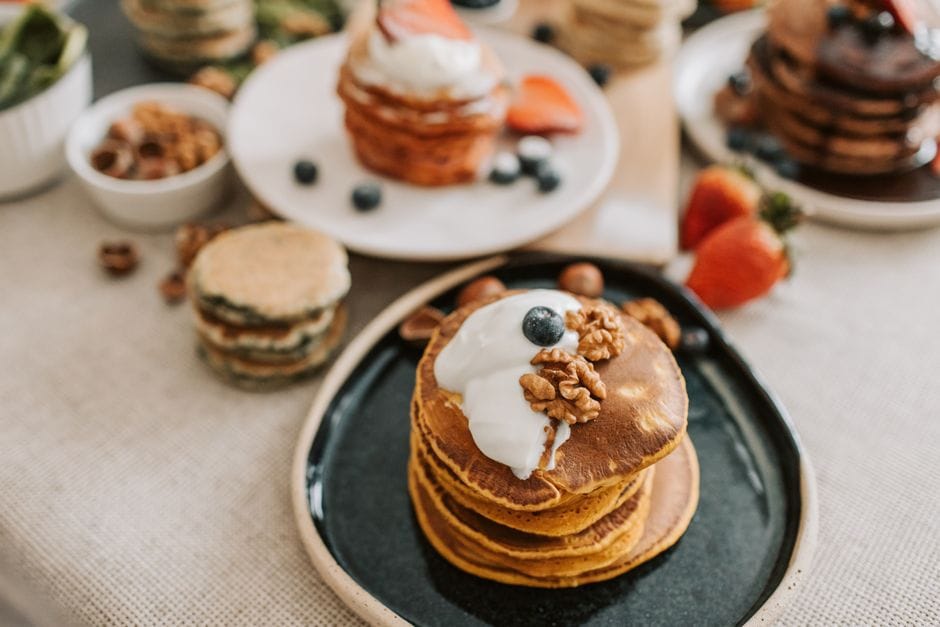
You don't need a scoop of protein powder to make a genuinely high-protein pancake — blended cottage cheese and eggs do the job with a better texture and none of the artificial aftertaste. Blend the wet ingredients smooth first, don't overmix once the flour goes in, and keep the heat moderate, and you'll get a fluffy stack with roughly 26 grams of protein per serving.
Frequently asked questions
Can I taste the cottage cheese in the finished pancakes?
No — once it's fully blended smooth and cooked, cottage cheese doesn't come through as a distinct flavor. Most people can't identify it's in there unless told in advance.
Can I make the batter the night before?
Yes, though the batter thickens slightly as it sits refrigerated overnight — thin it with a splash of milk before cooking if needed. The baking powder's rising power is strongest within the first hour or two of mixing, so texture may be marginally less fluffy the next day, but still good.
What blender works best for this recipe?
Any standard countertop blender or a high-powered immersion blender works fine — the goal is just fully smooth cottage cheese with no visible curds, which most blenders achieve in under a minute.
Can I make these dairy-free?
Blended silken tofu is the closest substitute, though it changes the protein content and flavor somewhat. This specific recipe is built around cottage cheese's protein and texture, so expect a noticeably different result with substitutions.
Read next
Further reading & trusted sources
The step most people skip
Under-blending the cottage cheese is the single most common reason these pancakes turn out lumpy instead of fluffy, since the curds need to be fully broken down into the batter rather than left as separate pockets that never fully cook through. Pressing down on the pancakes with a spatula while they cook squeezes out the air bubbles creating the fluffy texture in the first place, which is a habit worth unlearning specifically for this batter.
Emma thinks a recipe has failed if it needs a long backstory before the ingredients — so hers get straight to the point, with the small technique notes that actually change how a dish turns out. She leads The Nourish Kitchen’s recipes and food guides, writing each one to work in a real, busy kitchen rather than a photo studio. AI tools help with research and drafting, and a human checks every recipe for clarity and food safety before it publishes. Nutrition figures are honest estimates, never guarantees.