 By Emma Hartley, Food Editor
Reviewed & updated September 2026
If you've ever been hungry again an hour after breakfast, protein is likely the missing piece. Carb-heavy breakfasts — cereal, toast, most granola bars — digest quickly and lead to energy spikes and crashes. Protein, on the other hand, takes longer to break down, keeps you fuller longer, and helps preserve muscle. These high-protein breakfast ideas are practical, genuinely satisfying, and most take under 15 minutes.
 What you’ll find insideCurated by Emma · 9 min read
- Why Protein at Breakfast Makes a Real Difference
- 1. Greek Yogurt Protein Bowl
- 2. Cottage Cheese Scramble
- 3. Egg Muffins (Batch Prep)
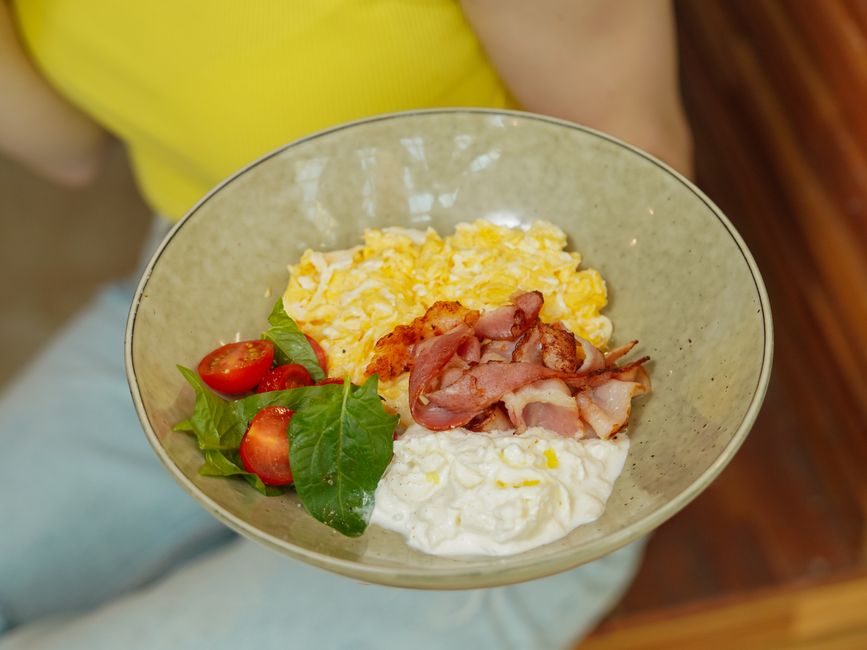
- 4. The Featured Recipe: High-Protein Breakfast Bowl
- High-Protein Breakfast Bowl
- Tips for the Best Protein Breakfast Bowl
- Variations to Try
- Storage and Meal Prep Notes
- Other High-Protein Breakfast Swaps
- The Takeaway
- Related articles
- Further reading & trusted sources
Why Protein at Breakfast Makes a Real Difference
Research consistently shows that a high-protein breakfast reduces hunger hormones, supports steady energy, and reduces overall calorie intake later in the day — without requiring willpower. For anyone managing weight, building muscle, or simply trying to avoid the 10am snack attack, front-loading protein is one of the most effective nutrition strategies available.
Aim for 25–40g of protein at breakfast for a noticeable effect. This is more than most people get from a standard morning meal, which is why these recipes are specifically designed to hit that range.
| # | Highlight | Summary |
|---|---|---|
| 1 | Greek Yogurt Protein Bowl | Plain Greek yogurt (full-fat or 2%) has around 17–20g of protein per cup. |
| 2 | Cottage Cheese Scramble | Cottage cheese in eggs sounds unusual but works extremely well. |
| 3 | Egg Muffins (Batch Prep) | Egg muffins — also called egg cups or baked mini frittatas — are made by whisking eggs with vegetables and cheese, pouring into a |
| 4 | The Featured Recipe: High-Protein Breakfast Bowl | This is the one recipe that ties all the best breakfast protein sources together — quick, adaptable, and genuinely filling until l |
1. Greek Yogurt Protein Bowl
Plain Greek yogurt (full-fat or 2%) has around 17–20g of protein per cup. Top with hemp seeds (3g per tablespoon), a hard-boiled egg on the side (6g), and a handful of mixed berries. Total: roughly 30–35g protein, ready in under 3 minutes.
The variation that makes it feel less like "diet food": add a drizzle of honey and a tablespoon of almond butter. The fat from the almond butter slows digestion further and adds richness.
2. Cottage Cheese Scramble
Cottage cheese in eggs sounds unusual but works extremely well. Whisk 2 eggs, stir in ¼ cup cottage cheese, and scramble low and slow. The cottage cheese melts in and creates creamy, fluffy eggs with almost no extra effort. Two eggs + ¼ cup cottage cheese = roughly 24g protein. Add spinach, cherry tomatoes, or leftover roasted vegetables for volume.
This is one of the fastest ways to meaningfully boost breakfast protein with ingredients most people already keep at home.
3. Egg Muffins (Batch Prep)
Egg muffins — also called egg cups or baked mini frittatas — are made by whisking eggs with vegetables and cheese, pouring into a muffin tin, and baking at 375°F for 18–20 minutes. They refrigerate well for 4–5 days and reheat in 60 seconds.
A batch of 12 muffins (using 8 eggs + cheese + veg) gives you 2–3 muffins per serving, around 20–25g protein depending on additions. Add turkey sausage or diced ham to push it higher.
4. The Featured Recipe: High-Protein Breakfast Bowl
This is the one recipe that ties all the best breakfast protein sources together — quick, adaptable, and genuinely filling until lunch.
High-Protein Breakfast Bowl
A fast, balanced breakfast bowl combining eggs, cottage cheese, and seeds for 30+ grams of protein per serving. Ready in 10 minutes and endlessly customizable.
☆☆☆☆☆
Ingredients
- 2 large eggs
- ½ cup full-fat cottage cheese
- 1 tbsp hemp seeds
- ½ cup baby spinach
- ¼ cup cherry tomatoes, halved
- 1 tsp olive oil
- Salt and black pepper to taste
- Optional: hot sauce, fresh herbs, sliced avocado
Instructions
- Step 1. Heat olive oil in a small non-stick pan over medium heat.
- Step 2. Add baby spinach and cherry tomatoes; sauté for 1–2 minutes until spinach wilts. Set aside.
- Step 3. In the same pan, scramble the eggs over medium-low heat, stirring gently, until just set. Remove from heat.
- Step 4. Spoon cottage cheese into a bowl. Top with the scrambled eggs and sautéed vegetables.
- Step 5. Sprinkle hemp seeds over the top. Season with salt and pepper.
- Step 6. Add avocado slices or hot sauce if using. Serve immediately.
Tips for the Best Protein Breakfast Bowl
Use cottage cheese at room temperature. Cold cottage cheese straight from the fridge can cool the eggs down fast. Let it sit on the counter while you cook the eggs, or warm it briefly in the microwave for 20 seconds.
Don't overcook the eggs. Pull the scramble off heat when it looks slightly underdone — residual heat finishes them. Overcooked eggs are rubbery and less enjoyable, which means you're less likely to make this again.
Add avocado for staying power. The fat in avocado slows digestion further and adds about 5–7g of healthy fats. If you want the bowl to last even longer, half an avocado is the best addition.
Make it a weekly rotation. The base (eggs + cottage cheese) stays the same; swap the vegetables week to week — roasted peppers one week, sautéed mushrooms the next, kale and white beans the week after. Same protein hit, different flavour.
Variations to Try
High-protein avocado toast version: spread ¼ cup cottage cheese on thick-cut sourdough, top with a soft-boiled egg and hemp seeds. Around 28g protein.
Mexican-style: swap spinach for black beans (add 7g protein), add salsa, jalapeño, and a dollop of Greek yogurt instead of sour cream.
Make-ahead version: prep the sautéed vegetables in advance (they keep 3 days refrigerated). Each morning just scramble the eggs and assemble. Under 7 minutes total.
Storage and Meal Prep Notes
The bowl is best made fresh — scrambled eggs don't reheat well and cottage cheese separates slightly when warmed. However, you can batch prep the vegetables and keep them refrigerated for 3–4 days, cutting active morning time to about 5 minutes.
For maximum convenience, hard-boil a batch of 6 eggs on Sunday. Keep them in the shell in the fridge for up to 7 days and slice one on top of the bowl instead of scrambling — still 6–7g protein per egg, zero active cooking.
Other High-Protein Breakfast Swaps
If you want to boost protein without a full recipe:
- Swap regular milk for high-protein milk or add a scoop of unflavored protein powder to oatmeal
- Choose Greek yogurt over regular yogurt (nearly double the protein)
- Add a tablespoon of hemp or chia seeds to smoothies — about 3–5g protein each
- Choose whole eggs over egg whites (whole eggs have more nutrients and slightly more protein)
- Use tempeh or turkey sausage as a side instead of bacon (both have significantly higher protein-to-calorie ratios)
The Takeaway
High-protein breakfasts don't have to be complicated or expensive. Eggs, cottage cheese, Greek yogurt, and seeds are affordable, available anywhere, and work together in dozens of combinations. The featured breakfast bowl takes 10 minutes, delivers over 30g protein, and keeps you genuinely full through the morning. Start there, and adjust the vegetables and toppings to what you actually enjoy.
Frequently Asked Questions
How much protein should I eat at breakfast?
Most nutrition research suggests 25–40g of protein at breakfast produces the strongest satiety effect. Below 20g, you'll likely feel hungry again within 2 hours on a standard-calorie meal.
Is cottage cheese a good protein source for breakfast?
Yes — it's one of the most underrated breakfast proteins. Full-fat or 2% cottage cheese has around 13–14g of protein per ½ cup and mixes easily into eggs, bowls, or smoothies without changing the flavour significantly.
What's the quickest high-protein breakfast?
Greek yogurt (plain, full-fat) with hemp seeds and a hard-boiled egg takes under 2 minutes to assemble and delivers 25–30g protein. Keep hard-boiled eggs prepped in the fridge on Sunday and it becomes an everyday option.
Can I meal prep high-protein breakfasts in advance?
Egg muffins (baked in a muffin tin) meal prep very well — 4–5 days in the fridge. The cottage cheese bowl is best made fresh, but the vegetable components can be prepped in advance to cut morning time to under 5 minutes.
Read next


Related articles
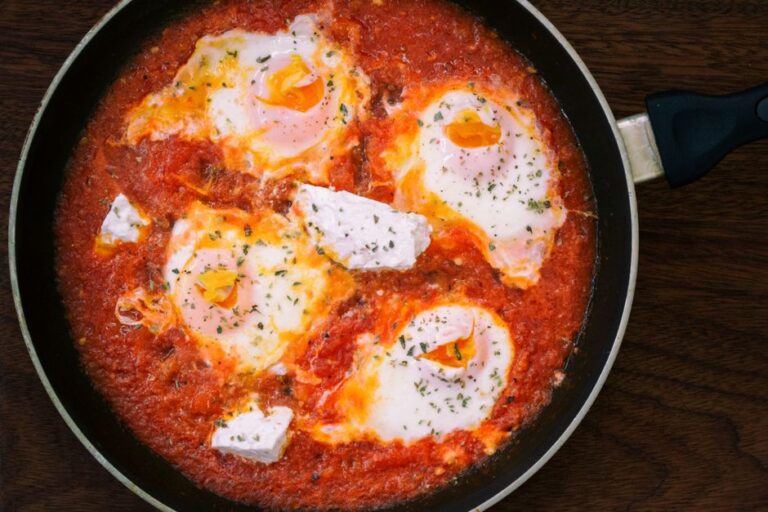
- Easy Shakshuka Recipe (One-Pan Eggs in Spiced Tomato Sauce)
- Fluffy French Toast
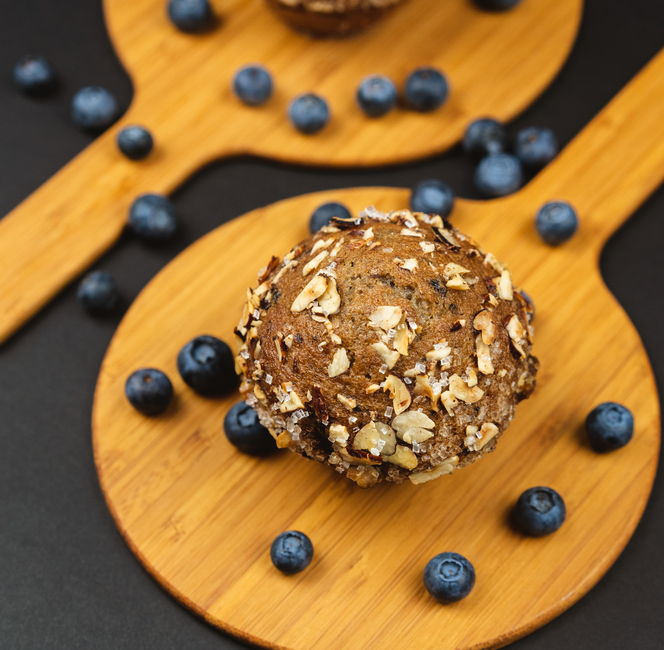
- Bakery-Style Blueberry Muffins
- Loaded Avocado Toast (4 Ways)
- High-Protein Spinach Feta Egg Muffins
- Overnight Oats 5 Delicious Ways
The trick that actually works
Cottage cheese in scrambled eggs sounds off but it actually makes them creamier — it melts in and adds protein invisibly. The trick is low heat and pulling the pan early; the residual heat finishes cooking while you plate, and the texture is softer than eggs alone.
Further reading & trusted sources
Emma thinks a recipe has failed if it needs a long backstory before the ingredients — so hers get straight to the point, with the small technique notes that actually change how a dish turns out. She leads The Nourish Kitchen’s recipes and food guides, writing each one to work in a real, busy kitchen rather than a photo studio. AI tools help with research and drafting, and a human checks every recipe for clarity and food safety before it publishes. Nutrition figures are honest estimates, never guarantees.