 By Emma Hartley, Food Editor
Reviewed & updated September 2026
Everything you love about a crispy egg roll — the savory pork, the crunchy cabbage, the salty-sweet soy sauce — without the wrapper, the deep fryer, or the extra 20 minutes of folding. Egg roll in a bowl strips the classic takeout appetizer down to its filling and turns it into a genuinely fast, one-pan weeknight dinner.
 In this guideCurated by Emma · 9 min read
Why This Recipe Works So Well
The filling is the best part of an egg roll anyway — the wrapper is mostly there to hold everything together and add crunch. Skipping it means less time, less oil, and a dish that's naturally lower in carbs while keeping every bit of the flavor you'd get from the real thing. It also comes together entirely in one skillet, which means less cleanup than almost any other weeknight dinner in regular rotation.
It's a forgiving recipe, too — the shredded cabbage does most of the textural work that the wrapper used to provide, so there's no risk of a soggy result the way there is with an actual fried egg roll.
Egg Roll in a Bowl
A fast, low-carb skillet dinner with ground pork, cabbage, and a savory soy-ginger sauce — all the flavor of an egg roll, none of the wrapper.
☆☆☆☆☆
Ingredients
- 1 lb (450g) ground pork (or ground chicken/turkey)
- 1 tbsp sesame oil
- 1 small yellow onion, diced
- 3 cloves garlic, minced
- 1 tsp fresh ginger, grated (or 1/2 tsp ground ginger)
- 1 bag (14-16 oz) coleslaw mix (shredded cabbage and carrots), or 1/2 head cabbage shredded + 1 carrot julienned
- 3 tbsp low-sodium soy sauce
- 1 tbsp rice vinegar
- 1 tsp honey or brown sugar
- 2 green onions, sliced
- 1 tbsp toasted sesame seeds
- Optional: sriracha or chili garlic sauce, to taste
Instructions
- Step 1. Heat sesame oil in a large skillet or wok over medium-high heat. Add diced onion and cook for 2 minutes until softened.
- Step 2. Add ground pork, breaking it apart with a spoon, and cook for 5-6 minutes until browned through.
- Step 3. Add garlic and ginger, stirring for 30 seconds until fragrant.
- Step 4. Add the cabbage and carrot mix. Stir to combine, then let it cook down for 3-4 minutes, stirring occasionally, until the cabbage is tender but still has a slight crunch.
- Step 5. In a small bowl, whisk together soy sauce, rice vinegar, and honey. Pour over the pork and cabbage mixture, stirring to coat everything evenly.
- Step 6. Cook for 1-2 more minutes to let the sauce heat through and slightly reduce.
- Step 7. Remove from heat. Top with green onions, sesame seeds, and sriracha if using. Serve immediately.
Step-by-Step Tips for the Best Results
Don't overcrowd the pan. If your skillet is on the smaller side, brown the pork in batches. A crowded pan steams instead of browns, and that browning is where a lot of the flavor comes from.
Keep some crunch in the cabbage. The cabbage should soften and shrink but still have bite — think stir-fry texture, not boiled. Pull it off the heat as soon as it's tender if you want the closest match to a real egg roll's crunchy filling.
[TAKE] The step that makes this taste like an actual egg roll and not just "pork and cabbage": don't skip the sesame oil at the start and the sesame seeds at the end. That toasted sesame note bookending the dish is doing more of the flavor work than the soy sauce — leave it out and the dish reads as generic stir-fry instead.
Taste before adding salt. Soy sauce varies a lot in saltiness between brands, and low-sodium versions genuinely change how much you need. Taste the sauce mixture before pouring it in, and adjust rather than following the amount blindly.
Ingredient Swaps and Variations
Ground turkey or chicken: A leaner swap that works well with this sauce; add an extra half-tablespoon of sesame oil since poultry has less natural fat than pork.
Vegetarian version: Swap the pork for crumbled extra-firm tofu (pressed first) or a plant-based ground meat substitute. Cook the tofu a few minutes longer to get some color on it.
Add mushrooms: Sliced shiitake or white mushrooms added with the onion bring an umami boost that pairs naturally with the soy-ginger sauce.
Make it spicier: Stir a teaspoon of chili garlic sauce or gochujang directly into the sauce mixture rather than only adding sriracha as a topping, for heat that's built into every bite.
Serve it over rice or cauliflower rice: Not traditional to the low-carb version, but a scoop of steamed rice underneath turns this into more of a rice-bowl-style dinner if you're not watching carbs.
What to Serve Alongside
This dish is a complete meal on its own, but if you want to round it out:
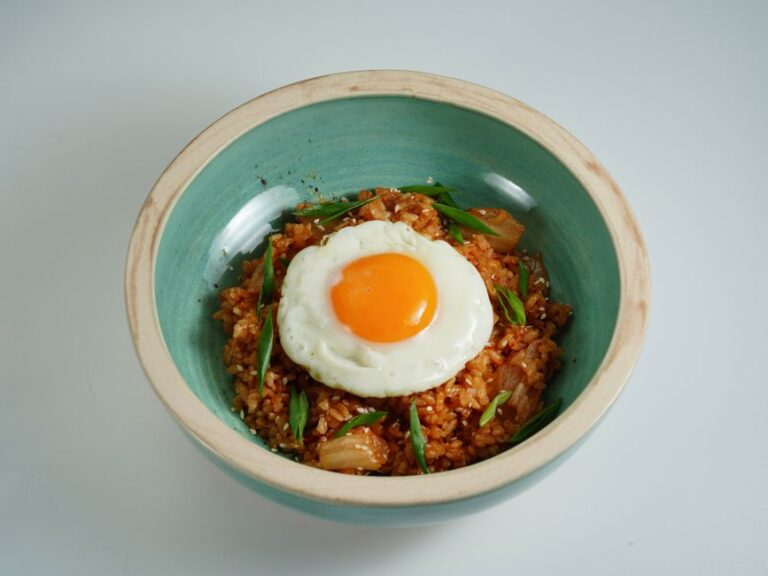
- A fried or soft-boiled egg on top — leans into the "egg" in egg roll and adds richness
- Steamed edamame — a simple, protein-rich side that fits the flavor profile
- Cucumber salad — a cool, crisp contrast to the warm, savory bowl
- Wonton crisps — a few store-bought or homemade fried wonton strips on top bring back some of the crunch of the original wrapper, if you want that texture without deep-frying the whole dish
Storage and Meal Prep
Egg roll in a bowl keeps well in the refrigerator for up to 4 days in an airtight container, making it a strong meal-prep option — portion it into containers right after cooking. It also freezes reasonably well for up to 2 months, though the cabbage will soften further after thawing. Reheat in a skillet over medium heat or in the microwave until warmed through; a splash of water or extra soy sauce helps loosen the sauce back up after refrigeration.
The Takeaway
Egg roll in a bowl takes everything satisfying about the takeout classic — savory pork, crisp cabbage, a punchy soy-ginger sauce — and gets it on the table in 20 minutes with one pan and no deep-fryer. It's naturally low-carb, endlessly adaptable, and reheats well, which makes it one of the easier dinners to actually keep in weekly rotation.
Frequently Asked Questions
Is egg roll in a bowl actually low-carb?
Yes — without a wrapper or rice, this dish runs around 10g of carbs per serving, coming almost entirely from the cabbage, carrots, and small amount of honey in the sauce. It fits well within most low-carb approaches.
Can I use pre-shredded coleslaw mix?
Yes, and it's the easiest option — a bagged coleslaw mix (cabbage and carrots) saves the prep time of shredding a whole head of cabbage and works identically in this recipe.
Why is it called "egg roll in a bowl" if there's no egg?
The name refers to the classic Chinese-American egg roll appetizer (a wrapper filled with cabbage and pork), not to eggs as an ingredient. Some versions do add a scrambled or fried egg for extra protein, but it's not part of the traditional filling.
Can I make this ahead for the week?
Yes, this is an excellent meal-prep recipe. Cook a full batch, divide it into containers, and reheat individual portions throughout the week — the flavor holds up well over several days.
Read next
Further reading & trusted sources
From our test kitchen
The cabbage releases a surprising amount of water as it cooks down, and pans that are already crowded with browned meat don’t have room for that extra liquid to cook off — the result is a watery, steamed-tasting dish rather than the lightly caramelized one the recipe is aiming for, which is why batching the pork first in a smaller pan matters more here than in most stir-fries. Skipping the sesame oil at the start to save a step is the most common substitution mistake, since it’s a base flavor note the dish is built around, not a finishing garnish the way the sesame seeds are.
Emma thinks a recipe has failed if it needs a long backstory before the ingredients — so hers get straight to the point, with the small technique notes that actually change how a dish turns out. She leads The Nourish Kitchen’s recipes and food guides, writing each one to work in a real, busy kitchen rather than a photo studio. AI tools help with research and drafting, and a human checks every recipe for clarity and food safety before it publishes. Nutrition figures are honest estimates, never guarantees.