 By Emma Hartley, Food Editor
Reviewed & updated September 2026
Eating healthy on a tight budget isn't a contradiction — it just means leaning on the ingredients that give you the most nutrition per dollar, and building meals around them instead of around whatever looks good at the store. This roundup starts with one full base recipe, then walks through the formula for stretching it into 30 different cheap, healthy meals across the week.
 In this guideCurated by Emma · 9 min read
- The nutrition-per-dollar staples
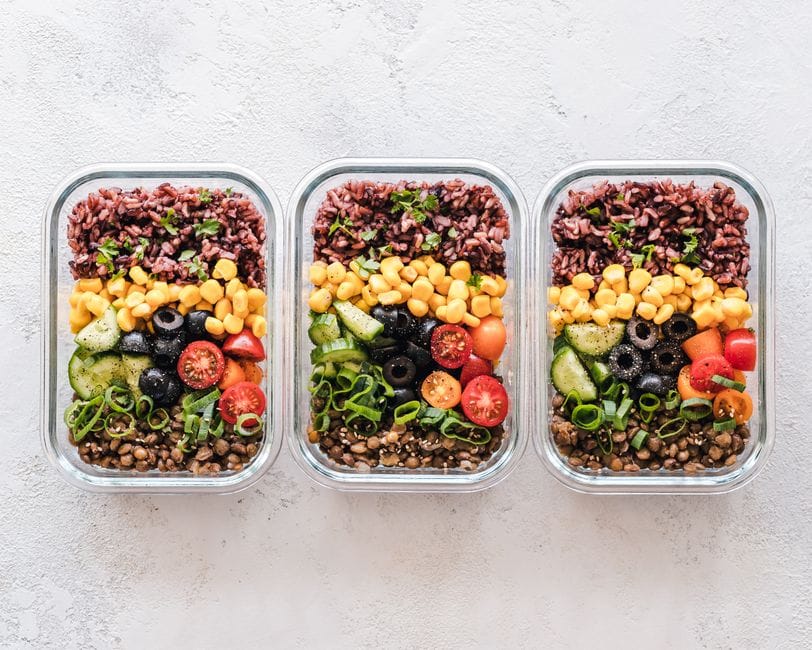
- The base recipe: healthy lentil and vegetable bowls
- Healthy Lentil and Roasted Vegetable Bowls
- Cheap healthy breakfasts (5 ideas)
- Cheap healthy lunches (5 ideas)
- Cheap healthy dinners (10 ideas)
- Snacks and sides that keep costs down
- How to keep the whole week under $2 a serving
- The takeaway
- Further reading & trusted sources
The nutrition-per-dollar staples
- Eggs — one of the cheapest complete proteins available, and flexible enough for breakfast, lunch, or dinner.
- Dried or canned lentils and beans — high in protein and fiber for a fraction of the cost of meat.
- Frozen vegetables — usually cheaper than fresh, especially out of season, and just as nutritious since they're frozen at peak ripeness.
- Oats and brown rice — filling, cheap carbohydrate bases that pair with almost anything.
- Canned tuna or salmon — a low-cost source of lean protein and, in the case of salmon, omega-3s.
- Chicken thighs — noticeably cheaper per pound than chicken breast, and more forgiving to cook without drying out.
- Seasonal produce — whatever's in season locally is reliably the cheapest fresh option available.
The base recipe: healthy lentil and vegetable bowls
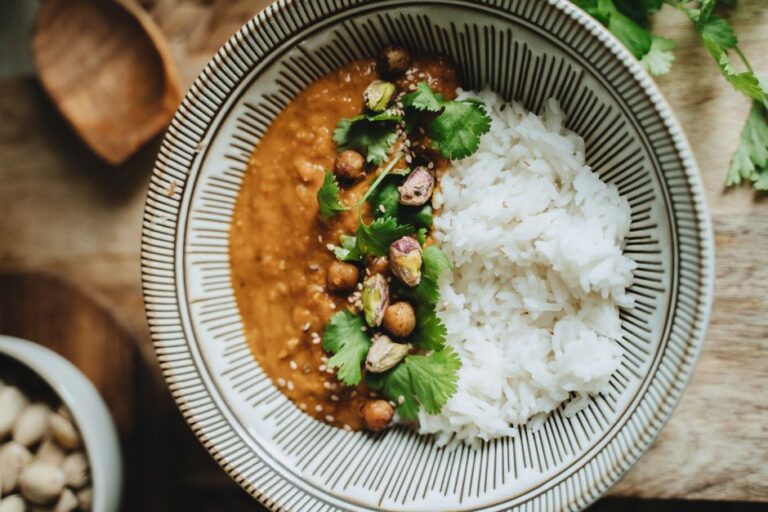
Healthy Lentil and Roasted Vegetable Bowls
A budget-friendly, high-fiber bowl built on lentils, roasted seasonal vegetables, and brown rice that comes in well under $2 per serving.
☆☆☆☆☆
Ingredients
- 2 cups dried green or brown lentils, rinsed
- 6 cups vegetable or chicken broth (or water)
- 2 cups uncooked brown rice
- 4 cups chopped seasonal vegetables (carrots, zucchini, broccoli, or bell pepper)
- 3 tbsp olive oil, divided
- 1 tsp cumin, 1 tsp smoked paprika, salt and pepper to taste
- 2 cloves garlic, minced
- 1 lemon, juiced (optional, for serving)
- Fresh herbs or hot sauce, to taste (optional, for serving)
Instructions
- Step 1. Preheat oven to 425°F. Toss chopped vegetables with 2 tbsp olive oil, cumin, smoked paprika, salt, and pepper, and spread on a sheet pan. Roast 20-25 minutes, stirring halfway, until tender and lightly caramelized.
- Step 2. Meanwhile, combine rinsed lentils and broth in a pot. Bring to a boil, then reduce heat and simmer uncovered for 20-25 minutes until tender but not mushy. Drain any excess liquid.
- Step 3. Cook brown rice separately according to package directions (roughly 2 cups rice to 4 cups water, simmered covered 40-45 minutes, or use a rice cooker).
- Step 4. Heat remaining 1 tbsp olive oil in a small pan over medium heat and saute minced garlic for 30 seconds until fragrant, then stir it through the cooked lentils.
- Step 5. Divide rice, lentils, and roasted vegetables evenly across 6 containers. Add a squeeze of lemon juice or hot sauce just before eating.
This base costs roughly $8-9 total for 6 servings, depending on local produce prices — lentils, rice, and broth are the main cost drivers, and swapping in whatever vegetable is cheapest that week keeps the total even lower.
Cheap healthy breakfasts (5 ideas)
- Oatmeal with frozen berries and a spoon of peanut butter — a filling, fiber-rich breakfast for well under a dollar a serving.
- Baked egg muffins — whisk eggs with chopped frozen spinach and a little cheese, bake in a muffin tin, and reheat all week.
- Greek yogurt with oats and a drizzle of honey — high in protein and ready in under a minute.
- Banana and peanut butter toast on whole wheat bread — cheap, filling, and genuinely satisfying.
- Scrambled eggs with black beans and salsa — a savory, high-protein breakfast that costs pennies per egg.
Cheap healthy lunches (5 ideas)
- Canned tuna salad over greens with a simple vinaigrette.
- Leftover lentil bowls from the base recipe above, reheated with fresh greens added cold on top.
- Chickpea salad sandwiches — mashed chickpeas with a little mayo or yogurt, mustard, and celery.
- Rice and black bean bowls with frozen corn and salsa.
- Egg salad on whole wheat bread, made with hard-boiled eggs from a batch cooked earlier in the week.
Cheap healthy dinners (10 ideas)
- Sheet pan chicken thighs and vegetables — one pan, minimal cleanup, and chicken thighs cost less per pound than breast.
- Bean and vegetable soup — a pot of canned beans, frozen vegetables, and broth stretches across several dinners.
- Baked sweet potatoes topped with black beans and salsa.
- Vegetable fried rice using leftover rice, frozen peas and carrots, and a couple of eggs.
- Turkey or lentil chili — a large batch freezes well and gets cheaper per serving the bigger the pot.
- Baked salmon (when on sale) or canned salmon patties with a side of roasted vegetables.
- Pasta with canned tomatoes, garlic, and white beans for added protein and fiber.
- Stir-fried tofu or chicken with frozen stir-fry vegetables over rice.
- Stuffed bell peppers with rice, beans, and a little cheese.
- Vegetable and egg fried rice bowls, a fast way to use up whatever produce is about to turn.
Snacks and sides that keep costs down
- Roasted chickpeas — a cheap, high-protein, crunchy snack made from a can of chickpeas and some spices.
- Popcorn popped on the stovetop — a fraction of the cost of pre-packaged bags.
- Sliced vegetables with hummus.
- Homemade trail mix from bulk-bin nuts, seeds, and a small amount of dried fruit.
- Hard-boiled eggs, cooked in a batch and kept in the fridge for a grab-and-go protein.
How to keep the whole week under $2 a serving
- Build meals around what's on sale or in season, rather than deciding on a recipe first and shopping to match it.
- Buy pantry staples (rice, oats, dried beans, canned tomatoes) in bulk, since the per-serving cost drops significantly compared to small packages.
- Cook once, eat multiple ways. A base batch of rice, beans, and roasted vegetables can become a bowl, a soup, a stuffed pepper, or a wrap without buying anything new.
- Freeze what you won't eat within four to five days, so nothing goes to waste and forces an unplanned grocery run.
The takeaway
Cheap and healthy aren't opposites — they overlap heavily once you build meals around lentils, beans, eggs, frozen vegetables, and bulk grains instead of pre-packaged convenience foods. Start with one solid base recipe, rotate the seasoning and format across the week, and the $2-per-serving target becomes realistic without feeling like you're eating the same bland meal on repeat.
Frequently asked questions
Is it actually possible to eat healthy for under $2 a meal?
Yes, especially when meals are built around plant-based proteins like lentils and beans, bulk grains, and frozen vegetables, all of which cost significantly less per serving than pre-made or heavily processed convenience foods.
What's the single cheapest healthy protein?
Dried lentils and beans typically cost the least per gram of protein, followed closely by eggs — both are far cheaper than most meat and fish options.
How do I avoid getting bored eating cheap healthy meals every day?
Rotate your spice profile (Tex-Mex, curry, Italian herb) and serving format (bowl, soup, wrap, stuffed vegetable) using the same handful of base ingredients — the cost stays low while the flavor changes meaningfully.
Are frozen vegetables as healthy as fresh?
Generally yes — frozen vegetables are typically frozen at peak ripeness, which means their nutrient content is comparable to fresh, and in some cases higher than fresh produce that's traveled a long distance before reaching the store.
Read next
Further reading & trusted sources
Worth knowing before you start
Dried lentils and beans cost noticeably less per gram of protein than canned versions, but the soak-and-simmer time is the actual reason most people default to canned instead — for anyone sticking to a real weekly schedule, canned beans are the more realistic budget choice despite costing slightly more. Building meals around whatever produce is cheapest that week, rather than picking a recipe first and shopping to match it, is the single habit that keeps a grocery bill consistently low over months rather than just for one good shopping trip.
Emma thinks a recipe has failed if it needs a long backstory before the ingredients — so hers get straight to the point, with the small technique notes that actually change how a dish turns out. She leads The Nourish Kitchen’s recipes and food guides, writing each one to work in a real, busy kitchen rather than a photo studio. AI tools help with research and drafting, and a human checks every recipe for clarity and food safety before it publishes. Nutrition figures are honest estimates, never guarantees.