 By Emma Hartley, Food Editor
Reviewed & updated September 2026
Cottage cheese has had a serious moment. After decades of being relegated to sad diet plates, it's now one of the most searched ingredients in 2025–2026 — and for good reason. A single cup packs 25–28 grams of protein, costs about $1.50, and blends into both sweet and savory dishes in ways that will genuinely surprise you. Whether you're eating it straight, blending it into sauces, or baking it into pancakes, cottage cheese is one of the most versatile high-protein ingredients in any kitchen. Here are the best recipes to try right now.
 On this pageCurated by Emma · 11 min read
- Why Cottage Cheese Is Having Its Moment
- Blended Cottage Cheese Pancakes
- Tips for Perfect Cottage Cheese Pancakes
- Recipe 2: Savory Whipped Cottage Cheese Toast
- Recipe 3: High-Protein Pasta Sauce (Cottage Cheese Alfredo)
- Recipe 4: Cottage Cheese Overnight Oats
- Recipe 5: Cottage Cheese Egg Scramble (3-Minute Breakfast)
- Storage and Buying Tips
- The Takeaway
- Related articles
- Further reading & trusted sources
Why Cottage Cheese Is Having Its Moment
The resurgence of cottage cheese is partly trend, partly nutrition science catching up with a food that has been quietly excellent for decades. Compared to Greek yogurt (a common alternative), cottage cheese is:
- Higher in protein per calorie in full-fat varieties
- Lower in sugar in plain forms
- Richer in casein protein, which digests more slowly and keeps you fuller longer
- More versatile — it can be blended smooth to replace ricotta, cream cheese, or even butter in some applications
The texture that put many people off cottage cheese for years — the curds — is easily solved by blending for 30 seconds with an immersion blender or in a regular blender. Smooth cottage cheese is a completely different, decidedly more appetizing experience.
Blended Cottage Cheese Pancakes
Fluffy, high-protein pancakes made with blended cottage cheese — no protein powder required. Light on the inside, golden on the outside, and genuinely satisfying.
☆☆☆☆☆
Ingredients
- 1 cup (226g) full-fat cottage cheese
- 2 large eggs
- ½ cup (60g) rolled oats (or ½ cup all-purpose flour)
- 1 tsp vanilla extract
- 1 tsp baking powder
- Pinch of salt
- 1 tbsp honey or maple syrup (optional)
- Oil or butter for the pan
Instructions
- Step 1. Add the cottage cheese, eggs, oats, vanilla, baking powder, salt, and sweetener (if using) to a blender. Blend on high for 30 seconds until completely smooth.
- Step 2. Let the batter rest for 2 minutes while you heat a non-stick skillet or griddle over medium-low heat. Add a small amount of butter or neutral oil.
- Step 3. Pour approximately ¼ cup of batter per pancake onto the skillet. Cook for 2–3 minutes until bubbles form on the surface and the edges look set.
- Step 4. Flip carefully and cook for another 1–2 minutes until golden. These pancakes are more delicate than regular ones — a wide spatula helps.
- Step 5. Serve immediately with fresh berries, maple syrup, or a dollop of yogurt.
Tips for Perfect Cottage Cheese Pancakes
The oat vs. flour question: oats (blended into a quick oat flour) add fiber and give a slightly denser, more filling pancake. All-purpose flour gives a lighter, more traditional texture. Both work — choose based on your preference.
Don't skip blending: un-blended cottage cheese in pancakes creates uneven texture and the batter won't hold together as well. 30 seconds in a blender makes the batter completely smooth.
Low and slow is the key: cottage cheese pancakes brown faster than regular ones because of the protein content. Medium-low heat, not medium-high, prevents burning before the center cooks through.
Make-ahead: the batter keeps in the refrigerator for up to 2 days. Give it a stir before using — some separation is normal.
Recipe 2: Savory Whipped Cottage Cheese Toast
Forget avocado toast — whipped cottage cheese toast is the version that will actually keep you full until lunch.
Ingredients (1 serving): ½ cup full-fat cottage cheese, blended smooth + 1 thick slice sourdough or whole-grain bread, toasted + toppings of your choice.
Savory topping ideas:
- Cherry tomatoes + Everything Bagel seasoning + fresh basil
- Sliced cucumber + za'atar + olive oil drizzle + chili flakes
- Smashed avocado + lemon zest + black pepper + salt
- Soft-boiled egg + capers + dill + a squeeze of lemon
Method: blend cottage cheese until completely smooth (this takes 30–45 seconds). Spread generously on toast. Add toppings. Eat immediately.
Why it works: blended cottage cheese has a texture almost identical to thick cream cheese, with roughly triple the protein per tablespoon. It's a high-satiety swap that genuinely doesn't feel like a trade-off.
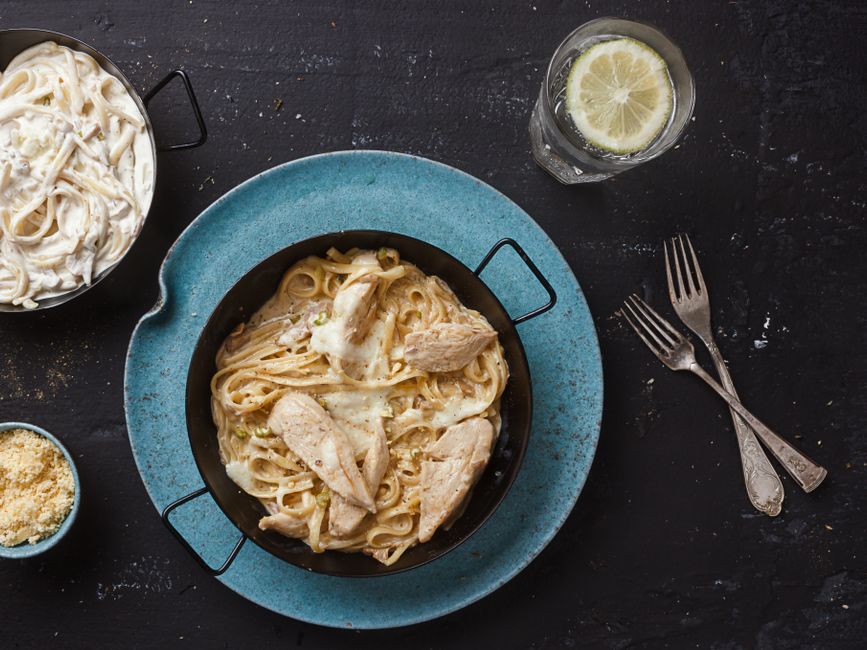
Recipe 3: High-Protein Pasta Sauce (Cottage Cheese Alfredo)
This is the cottage cheese recipe that converts skeptics. Blended with garlic and parmesan, it becomes a silky, protein-rich pasta sauce that tastes indulgent but clocks in at 30+ grams of protein per serving.
Ingredients (2–3 servings):
- 1 cup full-fat cottage cheese
- ¼ cup grated parmesan
- 2 cloves garlic
- 2 tbsp pasta cooking water (or milk, to thin)
- Salt and black pepper
- 8 oz pasta of your choice (penne, rigatoni, or fettuccine work best)
Method:
- Cook pasta according to package directions. Reserve ¼ cup pasta water before draining.
- While pasta cooks, blend cottage cheese, parmesan, garlic, salt, and pepper until completely smooth — about 60 seconds.
- Drain pasta and return to pot over low heat. Add the blended cottage cheese sauce and 2 tbsp pasta water. Toss until sauce coats the pasta and is warmed through (about 2 minutes). Add more pasta water a tablespoon at a time if needed to reach desired consistency.
- Serve immediately with extra parmesan and fresh black pepper.
Variations: add baby spinach (stir in after removing from heat), sun-dried tomatoes, or sautéed mushrooms for a more complex dish. A pinch of nutmeg in the sauce is an unexpectedly great addition.
Recipe 4: Cottage Cheese Overnight Oats
Overnight oats are already a great breakfast, but adding cottage cheese boosts the protein from about 8–10g to 20–25g per serving without changing the texture significantly — because the cottage cheese blends into the creamy oat base as it sits overnight.
Ingredients (1 serving):
- ½ cup rolled oats
- ½ cup cottage cheese (full-fat or low-fat)
- ½ cup milk (dairy or unsweetened plant milk)
- 1 tbsp chia seeds
- 1 tbsp honey or maple syrup
- ½ tsp vanilla extract
- Toppings: sliced banana, berries, nut butter, granola
Method: combine oats, cottage cheese, milk, chia seeds, sweetener, and vanilla in a jar or container. Stir well. Refrigerate overnight (minimum 6 hours). In the morning, stir again and add toppings. Eat cold or microwave for 90 seconds for a warm version.
Flavor variations:
- Peanut butter banana: add 1 tbsp peanut butter + sliced banana
- Berry vanilla: add frozen mixed berries + extra vanilla
- Chocolate: add 1 tbsp cocoa powder + chocolate chips
Recipe 5: Cottage Cheese Egg Scramble (3-Minute Breakfast)
Scrambling eggs with cottage cheese instead of butter or cream creates a richer, fluffier egg with a significant protein boost. The curds melt into the eggs as they cook — you won't see them.
Ingredients (1 serving): 2–3 large eggs + ¼ cup cottage cheese + salt and pepper + optional: chives, hot sauce, spinach.
Method:
- Whisk eggs and cottage cheese together until combined (don't over-blend — some texture is fine).
- Heat a non-stick skillet over medium-low heat. Add the egg mixture.
- Gently fold the eggs every 20–30 seconds, removing from heat when they're just barely set (they'll continue cooking from residual heat).
- Season with salt and pepper. Top with chives and serve immediately.
Total protein: approximately 28–32g, depending on egg size and whether you use 2 or 3 eggs.
Storage and Buying Tips
Which cottage cheese to buy: full-fat (4%) cottage cheese has the best flavor and the creamiest texture when blended. Low-fat (2%) works well in recipes where you're cooking the cottage cheese (pancakes, eggs, pasta sauce). Fat-free tends to be watery and bland.
Large curd vs. small curd: for eating straight, large curd has more texture appeal. For blending or cooking, it doesn't matter at all — choose based on price.
Storage: an opened container of cottage cheese typically lasts 5–7 days in the refrigerator. Store it upside-down in the fridge — this creates a seal that limits oxygen exposure and often extends freshness by a day or two.
Freezing: cottage cheese doesn't freeze well on its own (it separates and becomes grainy on thawing) but can be used in frozen cooked applications like frozen pancakes or pre-made burritos.
The Takeaway
Cottage cheese is one of the most protein-dense, budget-friendly, and genuinely versatile ingredients you can keep in your refrigerator. Whether blended smooth for pancakes and pasta sauces, layered into overnight oats, or scrambled with eggs for a quick breakfast, it's a reliable way to hit higher protein targets without protein powder or expensive specialty foods. Start with the pancakes or the whipped toast — both convert skeptics reliably.
Frequently Asked Questions
Does cottage cheese taste like anything in recipes once it's cooked?
When blended and incorporated into cooked dishes like pancakes, scrambled eggs, or pasta sauce, cottage cheese contributes a mild creaminess and richness without an identifiable "cottage cheese" flavor. Most people can't tell it's there.
What's the protein content of a cup of cottage cheese?
A cup (226g) of full-fat cottage cheese typically contains 25–28 grams of protein, depending on the brand. Low-fat varieties are sometimes slightly higher in protein per calorie.
Can I substitute cottage cheese for ricotta in recipes?
Yes — blended cottage cheese is an excellent ricotta substitute in baked pasta dishes (lasagna, stuffed shells), cheesecakes, and pancakes. It has a slightly lower fat content, which can make the final texture slightly less rich but considerably higher in protein.
Is cottage cheese good for weight loss?
Cottage cheese is high in protein and relatively low in calories, which can support satiety and make it easier to eat less overall. However, no single food causes weight loss — overall dietary patterns and caloric balance are what matter. It's a genuinely useful tool in a balanced diet.
Read next
Related articles
- Crunchy Asian Chopped Salad
- Loaded Cobb Salad
- Quinoa Power Bowl with Lemon Tahini
- Easy Meal Prep for Busy Weeks (Beginner’s Guide)
- Greek Chicken Bowls (Easy Meal Prep)
- Easy Chickpea Curry (Chana Masala)
Further reading & trusted sources
The step most people skip
Cottage cheese pancakes brown faster than regular ones because the high protein content caramelises at a lower temperature — the fix is medium-low heat rather than the medium-high most people use for regular pancakes. The batter also thickens as it sits, so if it looks thin right after blending, give it 2 minutes and it will spread much less in the pan.
Emma thinks a recipe has failed if it needs a long backstory before the ingredients — so hers get straight to the point, with the small technique notes that actually change how a dish turns out. She leads The Nourish Kitchen’s recipes and food guides, writing each one to work in a real, busy kitchen rather than a photo studio. AI tools help with research and drafting, and a human checks every recipe for clarity and food safety before it publishes. Nutrition figures are honest estimates, never guarantees.