 By Emma Hartley, Food Editor
Reviewed & updated September 2026
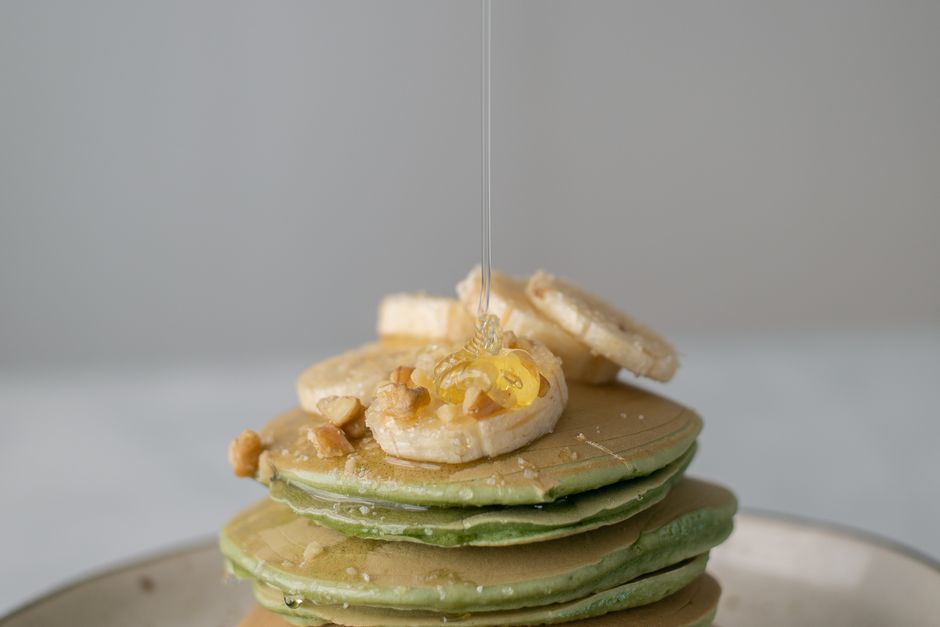
These fluffy banana pancakes are everything a weekend breakfast should be: tall, tender, and gently sweet with real banana flavour in every bite. Ripe bananas do double duty here, adding natural sweetness and moisture so the pancakes stay soft long after they leave the griddle. They've become our slow-Sunday tradition, and the smell of them cooking gets everyone out of bed.
Mashed banana in the batter plus a few slices tucked on top means banana lovers get it both ways. Stack them high, drizzle with maple syrup, and dig in.
 What this guide coversCurated by Emma · 7 min read
Why you'll love this recipe
- Extra fluffy. A few simple tricks give you bakery-tall pancakes.
- Naturally sweet. Ripe bananas mean less added sugar.
- Kid-approved. A guaranteed weekend favourite.
The number-one rule of fluffy pancakes: don't overmix
If your pancakes ever come out flat, dense, or tough, there's almost always one culprit, and it's overmixing the batter. Here's why it matters: flour contains gluten, and the more you stir a wet batter, the more that gluten develops into a stretchy network — great for chewy bread, terrible for tender pancakes, which turn rubbery and refuse to rise. The fix is genuinely counterintuitive — you want to stir the wet and dry together until just combined and then stop, even while the batter still looks lumpy. Those lumps are exactly right; they'll cook out, and resisting the urge to smooth them is what keeps the pancakes light. Two supporting tricks build on this: let the batter rest for five minutes before cooking, which lets the flour hydrate and the leavening start working for a taller rise; and cook over medium, not high heat, so the insides cook through and the leavening fully puffs before the outsides brown too fast. Lumpy batter, a short rest, and patient medium heat — that's the whole formula for tall, tender pancakes.
Tips for the best results
Don't overmix — a few lumps are perfect; overmixing develops gluten and makes pancakes tough. Let the batter rest 5 minutes so it thickens. And cook over medium (not high) heat so the centres cook through before the outsides burn.
Fluffy Banana Pancakes
Tall, tender from-scratch pancakes sweetened naturally with ripe banana.
☆☆☆☆☆
Ingredients
- 1.5 cups all-purpose flour
- 2 tbsp sugar
- 2 tsp baking powder
- 1/2 tsp baking soda
- 1/2 tsp salt
- 2 ripe bananas, mashed (about 1 cup)
- 1.25 cups milk
- 1 egg
- 3 tbsp melted butter, plus more for the pan
- 1 tsp vanilla extract
Instructions
- Step 1. In a large bowl, whisk together the flour, sugar, baking powder, baking soda, and salt.
- Step 2. In another bowl, mix the mashed banana, milk, egg, melted butter, and vanilla until combined.
- Step 3. Pour the wet ingredients into the dry and stir just until combined; a few lumps are fine. Let the batter rest 5 minutes.
- Step 4. Heat a buttered griddle or skillet over medium heat. Pour 1/4 cup batter per pancake and cook until bubbles form on the surface and the edges look set, about 2-3 minutes.
- Step 5. Flip and cook another 1-2 minutes until golden. Serve warm with maple syrup and banana slices.
Know when to flip (and keep them warm for a crowd)
The other place pancakes go wrong is the flip — too early and they tear, too late and they burn. The reliable cue is the bubbles: wait until bubbles form across the surface and start to pop, leaving little holes, and the edges look set and matte rather than wet. That's the signal the underside is golden and the structure is set enough to turn — and you should only need to flip once (resist the urge to flip back and forth or press them down, which deflates all that hard-won fluff). One practical note for banana pancakes specifically: the natural sugars in banana brown faster, so keep the heat at a true medium and watch them a touch more closely than plain pancakes. Cooking for a crowd? Keep finished pancakes warm in a single layer on a rack in a 200°F (95°C) oven while you cook the rest — stacking them straight away traps steam and makes them go soft. A rack keeps them tall and tender until the whole batch is ready to serve together.
Make it your own
Fold in chocolate chips, blueberries, or chopped walnuts. Swap half the flour for whole wheat for a heartier pancake, or add a pinch of cinnamon to play up the banana. Leftover batter keeps in the fridge overnight.
Frequently asked questions
How ripe should the bananas be? The spottier the better — very ripe bananas are sweeter and mash more smoothly into the batter.
Can I freeze them? Yes. Cool completely, freeze in a single layer, then stack with parchment between. Reheat in the toaster for up to 2 months.
Can I make them dairy-free? Use any plant milk and swap the butter for melted coconut oil or a neutral oil.
Why are my pancakes flat and tough? Almost always overmixing. Stir the batter just until combined, leaving lumps, and let it rest 5 minutes — overworking develops gluten and flattens them.
When should I flip a pancake? When bubbles form and pop across the surface and the edges look set and matte. Flip once only; pressing or flipping repeatedly deflates the fluff.
Read next
Related articles
- High-Protein Breakfast Ideas to Keep You Full
- Easy Shakshuka Recipe (One-Pan Eggs in Spiced Tomato Sauce)
- Fluffy French Toast
- Fluffy Veggie Omelette
- Bakery-Style Blueberry Muffins
- Loaded Avocado Toast (4 Ways)
Worth knowing before you start
Overmixing makes pancakes rubbery — stir until the flour just disappears and leave the lumps. Resting the batter five minutes lets the gluten relax so they rise tall and tender.
Further reading & trusted sources
Emma thinks a recipe has failed if it needs a long backstory before the ingredients — so hers get straight to the point, with the small technique notes that actually change how a dish turns out. She leads The Nourish Kitchen’s recipes and food guides, writing each one to work in a real, busy kitchen rather than a photo studio. AI tools help with research and drafting, and a human checks every recipe for clarity and food safety before it publishes. Nutrition figures are honest estimates, never guarantees.