 By Emma Hartley, Food Editor
Reviewed & updated September 2026
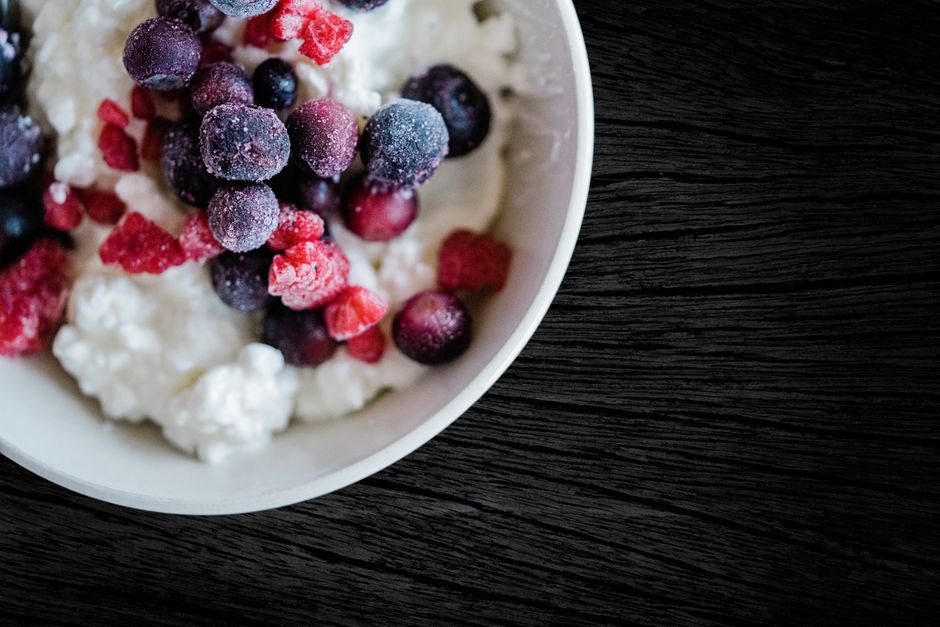
Cottage cheese ice cream sounds like a strange internet trend until you actually taste it — blended smooth, it loses every trace of curd texture and turns into a thick, creamy base that freezes into something remarkably close to real soft-serve, at a fraction of the sugar and a big boost of protein.
 What you’ll find insideCurated by Emma · 7 min read
Why This Works
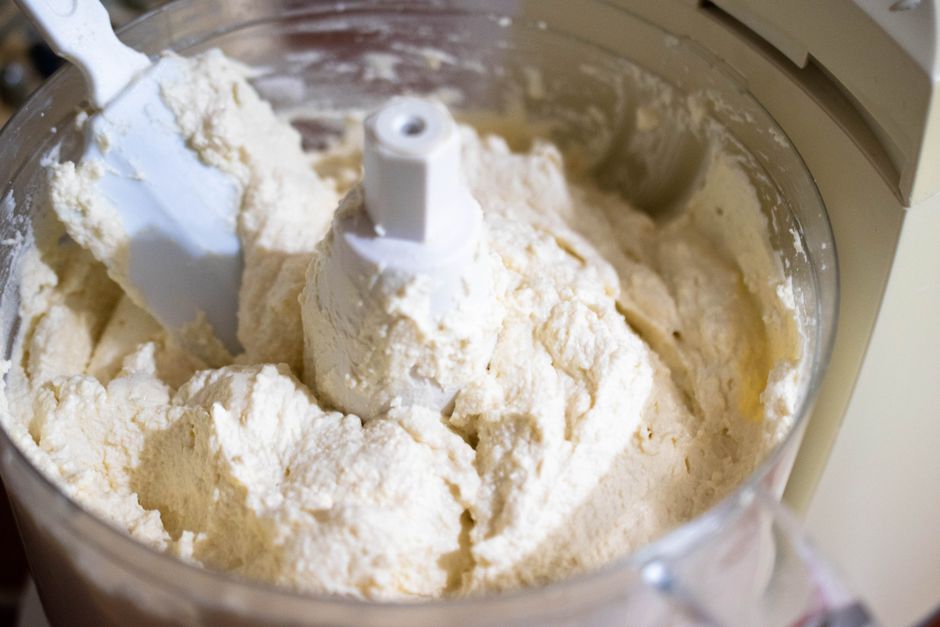
The trick is entirely in the blending. Cottage cheese has a lumpy, wet-curd texture straight out of the tub, but a high-powered blender breaks those curds down completely, turning it into a smooth, slightly tangy cream that behaves a lot like a cheesecake filling. Once frozen, that smoothness reads as creamy rather than icy, especially with a bit of sweetener and vanilla to round out the tang.
A single cup of cottage cheese carries roughly 25 grams of protein, which is why this dessert has become popular with people trying to hit daily protein targets without leaning on protein powder in everything they eat.
Ingredients
- 2 cups (16 oz) full-fat or 2% cottage cheese
- 2-3 tablespoons honey or maple syrup (adjust to taste)
- 1 teaspoon vanilla extract
- Pinch of salt
- Optional mix-ins: mini chocolate chips, crushed berries, peanut butter swirl, crushed cookies
High-Protein Cottage Cheese Ice Cream
A creamy, no-churn ice cream made by blending cottage cheese into a smooth base — high in protein, lower in sugar than traditional ice cream.
☆☆☆☆☆
Ingredients
- 2 cups (16 oz) full-fat or 2% cottage cheese
- 2-3 tablespoons honey or maple syrup
- 1 teaspoon vanilla extract
- Pinch of salt
- Optional: mini chocolate chips, crushed berries, or peanut butter swirl
Instructions
- Step 1. Add the cottage cheese, honey, vanilla, and salt to a high-powered blender or food processor.
- Step 2. Blend on high for 2-3 minutes, scraping down the sides as needed, until completely smooth with zero curd texture remaining.
- Step 3. Taste and adjust sweetness if needed.
- Step 4. Stir in any mix-ins by hand if using.
- Step 5. Pour into a loaf pan or freezer-safe container and smooth the top.
- Step 6. Freeze for at least 4 hours, or until firm.
- Step 7. Let sit at room temperature for 5-10 minutes before scooping, since it freezes harder than traditional ice cream.
Step-by-Step Instructions
Blend thoroughly. This is the step people rush, and it's the one that determines whether the final texture is smooth or grainy. Two to three full minutes on high, scraping down the sides once or twice, is usually needed to fully break down the curds — a quick 20-second blitz will leave you with a lumpy result.
Taste before freezing. Cottage cheese brands vary in saltiness and tang, so taste the blended base and adjust the honey or maple syrup before it goes in the freezer. It's much easier to fix sweetness now than after it's frozen solid.
Add mix-ins by hand, not in the blender. If you're adding chocolate chips, berries, or a swirl, fold them in after blending so they stay distinct rather than turning the whole batch a uniform color.
Freeze in a shallow container. A loaf pan freezes more evenly and faster than a deep, narrow container, and it makes scooping easier once set.
Why It Freezes Harder Than Regular Ice Cream
Traditional ice cream includes a higher fat and sugar content, both of which lower the freezing point and keep it scoopable straight from the freezer. Cottage cheese ice cream, being lower in both, freezes into a firmer block. Letting it sit at room temperature for 5-10 minutes before scooping solves this completely — it's a texture quirk, not a recipe flaw.
Flavor Variations
- Chocolate: blend in 2-3 tablespoons of cocoa powder with the base ingredients
- Strawberry: blend in ½ cup fresh or frozen strawberries along with the base
- Peanut butter swirl: swirl in 2 tablespoons of melted peanut butter after blending, before freezing
- Cookies and cream: fold in crushed chocolate sandwich cookies after blending
Storage
Store covered in the freezer for up to 2 weeks. Because it lacks the stabilizers of commercial ice cream, it will get icier the longer it sits, so it's best enjoyed within the first week for the creamiest texture. If it becomes too hard to scoop, a longer rest at room temperature (10-15 minutes) softens it back up.
Common Mistakes
Under-blending. This is the single biggest reason people say cottage cheese ice cream "isn't for them" — an under-blended base retains a slightly grainy, cheesy texture that a fully smooth blend avoids entirely.
Skipping the salt. A small pinch of salt actually makes the sweetness read as more balanced, the same principle used in most dessert recipes — leaving it out makes the final flavor taste flatter than expected.
Using fat-free cottage cheese. It blends fine, but the final texture is noticeably icier and less creamy than full-fat or 2%. If texture matters more than shaving off a few grams of fat, stick with at least 2%.
The Takeaway
Cottage cheese ice cream isn't a trick or a compromise dessert — properly blended, it's a genuinely creamy, satisfying frozen treat with meaningfully more protein and less sugar than a traditional pint. The whole recipe comes down to one non-negotiable step: blend it until completely smooth, then treat it like any other no-churn ice cream from there.
Frequently Asked Questions
Can I use a regular blender instead of a high-powered one?
Yes, but it may take longer — closer to 4-5 minutes with more scraping down — to fully eliminate the curd texture. A food processor works well too.
Does it taste like cottage cheese?
Once fully blended and sweetened, the tang is mild and reads more like a light cheesecake flavor than distinct cottage cheese. The vanilla and sweetener do a lot of the work masking the base flavor.
Can I make this dairy-free?
Cottage cheese is the core ingredient providing both the texture and protein content, so a dairy-free version would need a different base entirely (like blended silken tofu) rather than a direct substitution.
How long does it need to freeze before it's ready?
At least 4 hours for a soft-serve-like consistency, or overnight for a firmer, more scoopable texture the next day.
Read next
Further reading & trusted sources
The detail that makes the difference
Under-blending is the single reason people decide cottage cheese ice cream ‘isn’t for them’ — a quick 20-second blitz leaves detectable curd texture, while a full 2-3 minutes on high breaks it down into something genuinely smooth. It also freezes noticeably harder than regular ice cream because it has far less fat and sugar, both of which lower the freezing point, so a 5-10 minute counter rest before scooping is a normal step, not a fix for something gone wrong.
Emma thinks a recipe has failed if it needs a long backstory before the ingredients — so hers get straight to the point, with the small technique notes that actually change how a dish turns out. She leads The Nourish Kitchen’s recipes and food guides, writing each one to work in a real, busy kitchen rather than a photo studio. AI tools help with research and drafting, and a human checks every recipe for clarity and food safety before it publishes. Nutrition figures are honest estimates, never guarantees.