 By Emma Hartley, Food Editor
Reviewed & updated September 2026
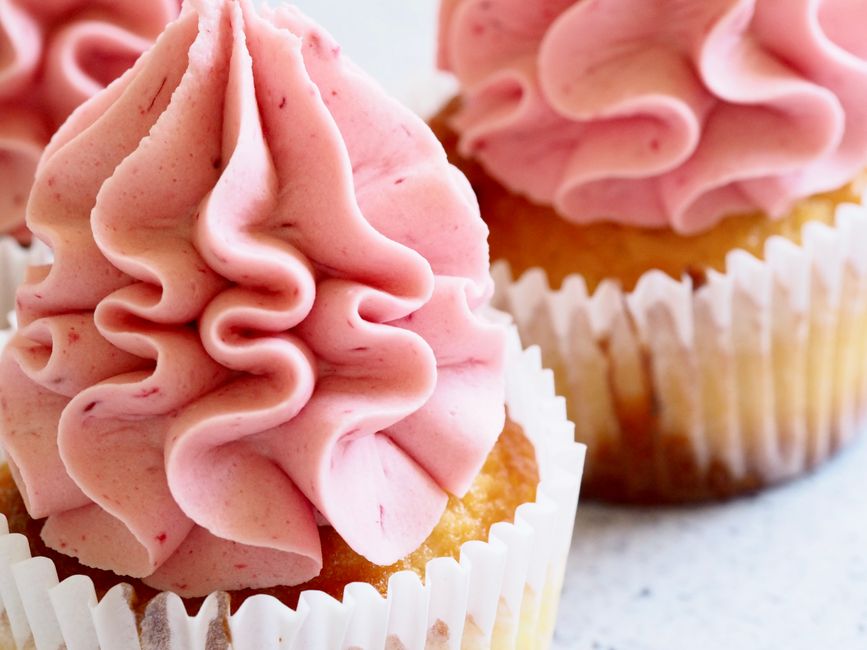
These classic vanilla cupcakes are soft, fluffy, and bakery-tender, topped with a swirl of silky vanilla buttercream. They're the little black dress of desserts — perfect for birthdays, bake sales, or any day that could use a treat — and they're genuinely easier to make from scratch than people expect, which is why I stopped buying boxed mix years ago. A tender crumb, a domed top, and pure vanilla flavour mean these beat the box every single time.
 On this pageCurated by Emma · 7 min read
Why you'll love this recipe
- Soft and fluffy. A tender, moist crumb every time.
- From scratch, made simple. Real ingredients, easy method.
- Party-perfect. Reliable for birthdays and celebrations.
Why room-temperature ingredients matter more than you'd think
If you take one technical tip from this recipe, make it this: have your butter, eggs, and milk at room temperature before you start. It sounds fussy, but it's the difference between a light, fluffy cupcake and a dense, uneven one, and here's the actual reason. Creaming room-temperature butter with sugar traps thousands of tiny air bubbles, and those bubbles are what your baking powder expands in the oven to give a tall, tender crumb — cold, hard butter won't whip up and hold that air. Just as important, room-temperature eggs and milk blend smoothly into that aerated butter to form a stable, even batter; cold liquids shock the butter, causing it to seize and "curdle" into a broken, lumpy mixture that bakes up dense. To warm eggs fast, sit them in a bowl of warm water for five minutes; milk can be taken off its fridge-chill in the microwave for a few seconds. This one bit of prep does more for a fluffy cupcake than any fancy ingredient.
Tips for the best results
Have your butter, eggs, and milk at room temperature so the batter emulsifies smoothly. Don't overmix once the flour is in. Fill liners only two-thirds full for nicely domed (not overflowing) tops, and cool completely before frosting so the buttercream doesn't melt.
Classic Vanilla Cupcakes
Soft, fluffy from-scratch vanilla cupcakes topped with silky vanilla buttercream.
☆☆☆☆☆
Ingredients
- 1.5 cups all-purpose flour
- 1.5 tsp baking powder
- 1/4 tsp salt
- 1/2 cup (113 g) butter, softened
- 1 cup granulated sugar
- 2 eggs, room temperature
- 1 tbsp vanilla extract
- 1/2 cup milk, room temperature
- Buttercream: 1 cup butter softened, 3 cups powdered sugar, 2 tbsp milk, 2 tsp vanilla
Instructions
- Step 1. Preheat the oven to 350°F (175°C) and line a 12-cup muffin tin with liners. Whisk the flour, baking powder, and salt.
- Step 2. Beat the softened butter and sugar until light and fluffy, 2-3 minutes. Beat in the eggs one at a time, then the vanilla.
- Step 3. Add the flour mixture in two additions, alternating with the milk, mixing just until combined.
- Step 4. Divide among the liners (two-thirds full) and bake 16-19 minutes, until a toothpick comes out clean. Cool completely.
- Step 5. For the buttercream, beat the butter until creamy, add the powdered sugar, milk, and vanilla, and beat until fluffy. Pipe or spread onto the cooled cupcakes.
Don't overmix, and cool completely before frosting
Two final habits keep these foolproof. Once the flour goes in, mix as little as possible — just until the streaks of flour disappear. Flour develops gluten the more it's stirred, and while you want gluten in bread, in cupcakes it makes them tough, dense, and prone to ugly tunnels. Add the flour in a couple of additions alternating with the milk, and stop the moment it's combined; a few small lumps are fine. And let the cupcakes cool completely — fully to room temperature — before you frost them. This is where impatience ruins beautiful cupcakes: buttercream is mostly butter, and it will slide right off and melt into a greasy puddle on even slightly warm cake. If you're in a hurry, pop the baked cupcakes in the fridge to speed cooling. For tall, bakery-style swirls, use a piping bag with a large star tip and chill the buttercream briefly if it's too soft to hold its shape. Patient mixing and patient cooling are the whole game.
Make it your own
Add sprinkles to the batter for funfetti, swap in almond extract, or tint the buttercream for any occasion. Fill the centres with jam or lemon curd, or top with fresh berries for a fruity twist.
Frequently asked questions
Why are my cupcakes dense? Usually from overmixing or cold ingredients. Use room-temperature butter, eggs, and milk, cream the butter and sugar well, and stop mixing as soon as the flour disappears.
Can I make them ahead? Bake the cupcakes a day ahead and store airtight; frost the day you serve. Unfrosted cupcakes also freeze well for up to 2 months.
How do I get tall swirls? Use a piping bag with a large star tip and chill the buttercream slightly if it's too soft to hold its shape.
Why do room-temperature ingredients matter? Room-temperature butter traps air when creamed (for a fluffy crumb), and room-temperature eggs and milk blend in smoothly without curdling the batter. Cold ingredients make denser, uneven cupcakes.
Why is my frosting melting off the cupcakes? They were still warm. Buttercream melts on warm cake — cool the cupcakes completely (chill them to speed it up) before frosting.
Read next
Related articles
- Classic Caesar Salad with Homemade Dressing
- Classic Chicken Noodle Soup from Scratch
- Creamy Tomato Soup (Better Than Canned)
- Mediterranean Pasta Salad
- Loaded Turkey Avocado Club Sandwich
- Caprese Sandwich with Balsamic Glaze
Further reading & trusted sources
The step most people skip
Room-temperature butter and eggs genuinely matter — cold ingredients don’t emulsify and you get dense, greasy cupcakes. And fill the liners only two-thirds, the line between domed and overflowing.
Emma thinks a recipe has failed if it needs a long backstory before the ingredients — so hers get straight to the point, with the small technique notes that actually change how a dish turns out. She leads The Nourish Kitchen’s recipes and food guides, writing each one to work in a real, busy kitchen rather than a photo studio. AI tools help with research and drafting, and a human checks every recipe for clarity and food safety before it publishes. Nutrition figures are honest estimates, never guarantees.