 By Emma Hartley, Food Editor
Reviewed & updated September 2026
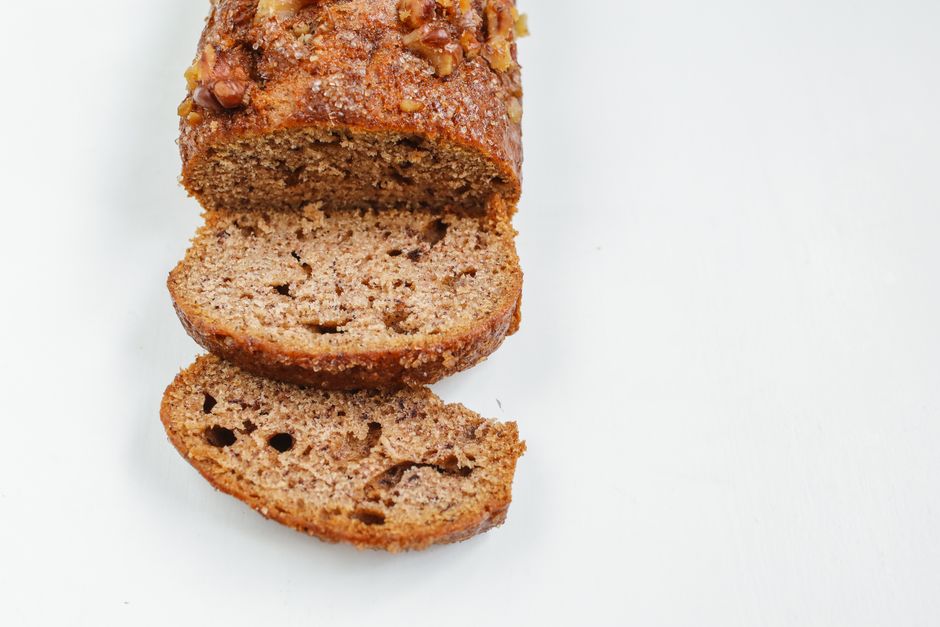
Everyone needs one perfect banana bread recipe, and this is it: incredibly moist, tender, and packed with real banana flavour, with a craggy golden top that crackles when you slice it. It's the best way to rescue those sad, over-ripe bananas languishing on the counter, and it comes together in one bowl with no mixer. This is the loaf my house runs on — it never makes it past lunchtime.
Enjoy it warm with a smear of butter for breakfast, or toasted as an afternoon treat. It's the loaf that disappears before it fully cools.
 What you’ll find insideCurated by Emma · 7 min read
Why you'll love this recipe
- Super moist. Stays tender for days thanks to plenty of banana.
- One bowl. No mixer, minimal cleanup.
- Uses up ripe bananas. The browner, the better.
The blacker the bananas, the better the bread
Here's the most important — and most counterintuitive — secret to incredible banana bread: use bananas that look too far gone to eat. Heavily speckled, mostly-brown, even fully black bananas are exactly what you want, not despite their appearance but because of it. As a banana ripens, its starches convert to sugar, so an ugly black banana is dramatically sweeter, softer, and more intensely banana-flavoured than a pretty yellow one. Bake with under-ripe yellow bananas and you'll get a bland, oddly starchy, less sweet loaf no matter what else you do. So the rule is simple: the worse your bananas look, the better your bread will taste. This is also why banana bread is the ultimate kitchen rescue — those bananas nobody wanted to eat become the best possible ingredient. If your bananas aren't ripe enough and you can't wait, you can cheat (see the FAQ), but given a choice, always let them get good and black first.
Tips for the best results
The riper your bananas, the sweeter and more flavourful the bread — use ones that are heavily speckled or even black. Don't overmix once the flour goes in, or the loaf turns dense. And check early; a toothpick with a few moist crumbs means it's done.
Classic Moist Banana Bread
A moist, tender one-bowl banana bread with a crackly golden top and rich banana flavor.
☆☆☆☆☆
Ingredients
- 3 very ripe bananas, mashed (about 1.5 cups)
- 1/3 cup (75 g) butter, melted
- 3/4 cup brown sugar
- 2 eggs
- 1 tsp vanilla extract
- 1.5 cups all-purpose flour
- 1 tsp baking soda
- 1/2 tsp salt
- 1/2 tsp cinnamon
Instructions
- Step 1. Preheat the oven to 350°F (175°C) and grease or line a 9×5-inch loaf pan.
- Step 2. In a large bowl, mix the mashed bananas with the melted butter. Stir in the brown sugar, eggs, and vanilla until combined.
- Step 3. Add the flour, baking soda, salt, and cinnamon, and stir just until no dry streaks remain.
- Step 4. Pour into the loaf pan and smooth the top.
- Step 5. Bake 55-65 minutes, until golden and a toothpick comes out with a few moist crumbs. Cool 10 minutes in the pan, then turn out onto a rack.
Don't overmix, and don't overbake (the two pitfalls)
Two mistakes turn a potentially perfect loaf into a dense or gummy one, and both are easy to avoid. First, don't overmix the batter. Once the flour goes in, stir only until you no longer see dry streaks — a few lumps are completely fine. Over-stirring develops gluten, which makes banana bread tough, dense, and rubbery instead of tender and cake-like. The one-bowl, by-hand method actually helps here, since it's harder to overwork than with a mixer. Second, don't overbake — but do bake it through. Banana bread is dense and moist, so the centre takes time, and the most common complaint ("gummy in the middle") usually means it came out a touch early. Start checking at 55 minutes: a toothpick into the centre should come out with a few moist crumbs, not wet batter. If the top is browning too fast before the inside is done, loosely tent it with foil and keep baking. Then let it cool in the pan for ten minutes before turning out — banana bread is fragile when hot and firms up as it cools.
Make it your own
Fold in chocolate chips, chopped walnuts, or a swirl of peanut butter. Add a streusel topping for crunch, or bake the batter as muffins (reduce the time to about 20 minutes). A splash of sour cream makes it even more tender.
Frequently asked questions
My bananas aren't ripe — can I speed it up? Yes. Bake whole unpeeled bananas at 300°F (150°C) for 15-20 minutes until soft and black, then cool and use. It mimics natural ripening fast.
How do I store it? Wrap well and keep at room temperature up to 4 days, or freeze (whole or sliced) for up to 3 months.
Why is my loaf gummy in the middle? It was likely underbaked or overmixed. Bake until a toothpick has just a few moist crumbs, tenting with foil if the top browns too fast, and stir the batter as little as possible.
Why does ripe banana matter so much? As bananas ripen, their starch turns to sugar, so very ripe (brown/black) bananas are far sweeter and more flavourful. Under-ripe bananas make a bland, starchy loaf.
Can I make it less sweet or healthier? Yes — reduce the sugar slightly (the ripe bananas add sweetness), swap half the flour for whole wheat, or add a spoonful of sour cream or yogurt for tenderness.
Read next
Related articles
- High-Protein Breakfast Ideas to Keep You Full
- Easy Shakshuka Recipe (One-Pan Eggs in Spiced Tomato Sauce)
- Fluffy French Toast
- Bakery-Style Blueberry Muffins
- Loaded Avocado Toast (4 Ways)
- Classic Vanilla Cupcakes from Scratch
The trick that actually works
The uglier the bananas, the better the bread — black-spotted ones are sweeter and more aromatic. Under-ripe yellow bananas make bland, dense loaves no amount of sugar fixes.
Further reading & trusted sources
Emma thinks a recipe has failed if it needs a long backstory before the ingredients — so hers get straight to the point, with the small technique notes that actually change how a dish turns out. She leads The Nourish Kitchen’s recipes and food guides, writing each one to work in a real, busy kitchen rather than a photo studio. AI tools help with research and drafting, and a human checks every recipe for clarity and food safety before it publishes. Nutrition figures are honest estimates, never guarantees.