 By Emma Hartley, Food Editor
Reviewed & updated September 2026
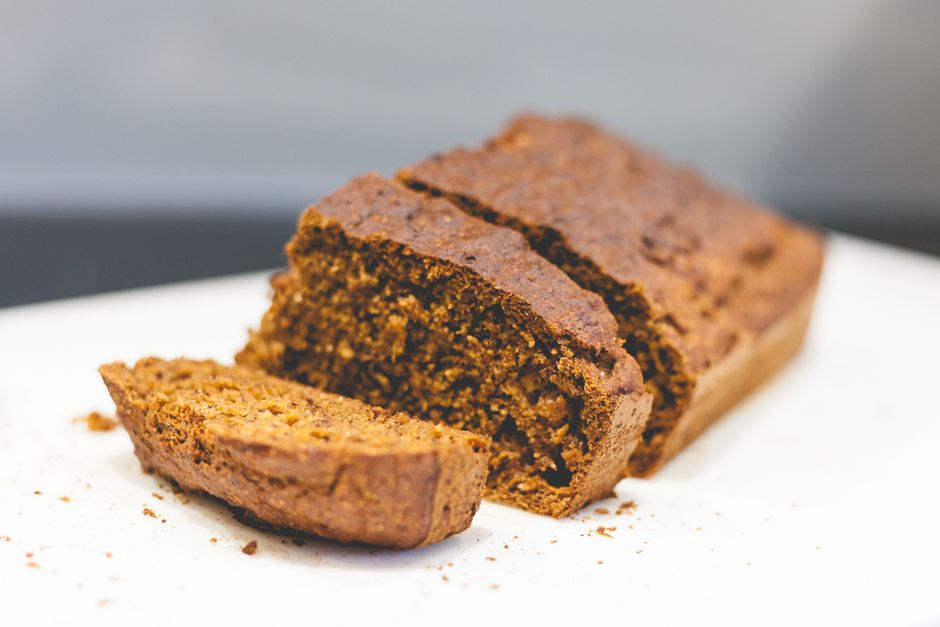
Banana bread has a reputation as a sugar-and-butter-heavy treat, but the base ingredients are more flexible than most recipes let on. This version leans into Greek yogurt, extra eggs, and a little almond flour to push the protein up noticeably per slice, without needing a scoop of protein powder or losing the moist, tender crumb that makes banana bread worth making in the first place.
 On this pageCurated by Emma · 9 min read
Why this version has more protein than usual
Classic banana bread gets most of its calories from flour, sugar, and oil or butter — none of which contribute meaningful protein. This recipe rebalances that in a few specific ways: swapping some of the oil for full-fat Greek yogurt adds protein and moisture at the same time, an extra egg white boosts protein without adding fat, and replacing a portion of the all-purpose flour with almond flour brings in more protein and healthy fat per cup than flour alone. None of these swaps require special ingredients or a trip to a specialty store — it's really just a smarter ratio of what's already in most banana bread recipes.
The result is a loaf that tastes and slices like traditional banana bread — moist, tender, a little dense in the best way — while delivering meaningfully more protein per slice than a standard recipe, without relying on a protein powder that can sometimes leave baked goods gummy or with an artificial aftertaste.
High-Protein Banana Bread
A moist, tender banana bread boosted with Greek yogurt, an extra egg white, and almond flour for meaningfully more protein per slice than a classic recipe — no protein powder required.
☆☆☆☆☆
Ingredients
- 3 very ripe bananas, mashed (about 1 1/4 cups)
- 2 large eggs
- 1 large egg white
- 1/2 cup (120g) plain full-fat Greek yogurt
- 1/4 cup (60ml) neutral oil (avocado or light olive oil)
- 1/3 cup (65g) honey or maple syrup
- 1 teaspoon vanilla extract
- 1 cup (120g) all-purpose flour
- 3/4 cup (75g) almond flour
- 1 teaspoon baking soda
- 1/2 teaspoon ground cinnamon
- 1/2 teaspoon salt
- Optional: 1/3 cup chopped walnuts or dark chocolate chips
Instructions
- Step 1. Preheat the oven to 350°F (175°C). Grease a 9×5-inch loaf pan or line it with parchment paper.
- Step 2. In a large bowl, whisk together the mashed bananas, eggs, egg white, Greek yogurt, oil, honey, and vanilla until smooth and well combined.
- Step 3. In a separate bowl, whisk together the all-purpose flour, almond flour, baking soda, cinnamon, and salt.
- Step 4. Add the dry ingredients to the wet ingredients and fold together with a spatula just until no streaks of flour remain — don’t overmix, a few small lumps are fine.
- Step 5. Fold in the walnuts or chocolate chips if using.
- Step 6. Pour the batter into the prepared loaf pan and smooth the top with a spatula.
- Step 7. Bake for 45-55 minutes, until a toothpick inserted in the center comes out clean or with just a few moist crumbs. Tent the top loosely with foil after 30 minutes if it’s browning too quickly.
- Step 8. Let the loaf cool in the pan for 10 minutes, then transfer to a wire rack to cool completely before slicing.
Tips for success
Use bananas that are properly overripe. This matters more than any other single ingredient in the recipe. Bananas with mostly brown-speckled or fully brown peels are sweeter and mash down more smoothly than yellow ones, which means better flavor and moisture without needing extra sugar to compensate. If your bananas aren't ripe enough, roasting them whole (peel on) at 300°F for 15-20 minutes softens and sweetens them quickly.
Don't overmix the batter. Once the flour is added, mix just until it's incorporated. Overmixing develops gluten in the flour, which can make the loaf dense and slightly tough instead of tender — a common reason homemade banana bread turns out heavier than expected.
Measure the flour correctly. Scooping flour directly with the measuring cup packs it down and can add up to 25% more flour than the recipe intends, which dries out the loaf. Spoon the flour into the measuring cup and level it off with a knife instead.
Check doneness with a toothpick, not just time. Ovens vary enough that the exact bake time can shift by 5-10 minutes. A toothpick inserted in the very center should come out clean or with a few moist crumbs — wet batter on the toothpick means it needs more time.
Variations
- Chocolate banana bread: Add 3 tablespoons of cocoa powder to the dry ingredients and fold in 1/3 cup of chocolate chips.
- Peanut butter swirl: Warm 3 tablespoons of peanut butter until pourable, then swirl it into the top of the batter with a knife before baking.
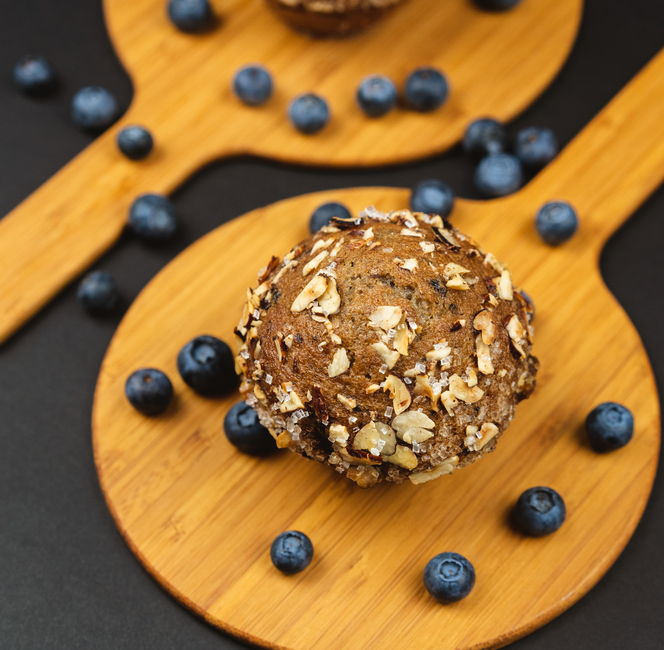
- Blueberry banana bread: Fold in 3/4 cup of fresh or frozen blueberries (toss frozen berries in a tablespoon of flour first so they don't sink).
- Nut-free: Skip the almond flour and use 1 3/4 cups all-purpose flour total instead — the protein boost will be slightly lower, but the loaf will still bake up moist and tender.
- Muffin version: Divide the batter into a lined 12-cup muffin tin and bake at 350°F for 18-22 minutes instead of using a loaf pan.
Storage and freezing
Once fully cooled, banana bread keeps at room temperature, tightly wrapped, for about 2 days, or in the fridge for up to a week — refrigeration extends its life but can slightly firm up the crumb, so let refrigerated slices sit at room temperature for a few minutes before eating, or warm them briefly.
For longer storage, this loaf freezes exceptionally well. Slice it first, then freeze individual slices separated by parchment paper in a freezer bag or airtight container for up to 3 months. Thaw a slice at room temperature for about 20 minutes, or microwave it straight from frozen for 20-30 seconds — either way, it comes back to nearly fresh-baked texture.
The takeaway
This banana bread proves you don't need a scoop of protein powder to meaningfully boost the protein in a baked good — Greek yogurt, an extra egg white, and a partial swap to almond flour do the job while keeping the loaf just as moist and tender as the classic version. It bakes in one bowl, keeps well for days, and freezes into ready-to-go slices, which makes it an easy one to keep in regular rotation.
Frequently asked questions
Can I use frozen bananas for this recipe?
Yes. Thaw them completely first, then drain off some of the excess liquid that collects as they thaw before mashing — otherwise the batter can end up too wet.
Why is my banana bread dense instead of fluffy?
The two most common causes are overmixing the batter once the flour is added, or using bananas that weren't ripe enough, which affects both moisture and how well the batter rises. Double-checking your baking soda hasn't expired is also worth doing, since it's the leavening agent doing the lifting here.
Can I make this recipe without any added sugar?
You can reduce the honey or maple syrup somewhat, since very ripe bananas already bring a lot of natural sweetness, but cutting it entirely will noticeably change the texture and browning, since the sugar also contributes moisture and helps the crust develop.
Is almond flour necessary for this recipe to work?
No — it boosts the protein and adds a slightly richer texture, but you can substitute more all-purpose flour in its place (see the nut-free variation above) and still end up with a good loaf, just with a smaller protein bump than the original ratio.
Read next

Further reading & trusted sources
The detail that makes the difference
Scooping flour straight from the bag instead of spooning it into the measuring cup can pack in up to 25% more flour than the recipe intends, and that quiet overage is one of the most common reasons homemade banana bread comes out drier and denser than the same recipe made by someone who measured differently. Bananas that still have any yellow left in the peel don’t just taste less sweet — they also hold more moisture in a form the batter doesn’t fully absorb, which is why a loaf made with under-ripe bananas often turns out gummier in the center rather than just less flavorful.
Emma thinks a recipe has failed if it needs a long backstory before the ingredients — so hers get straight to the point, with the small technique notes that actually change how a dish turns out. She leads The Nourish Kitchen’s recipes and food guides, writing each one to work in a real, busy kitchen rather than a photo studio. AI tools help with research and drafting, and a human checks every recipe for clarity and food safety before it publishes. Nutrition figures are honest estimates, never guarantees.