 By Emma Hartley, Food Editor
Reviewed & updated September 2026
These no-bake energy balls come together in one bowl in about ten minutes, no oven required, and pack real protein instead of just being an oat-and-honey sugar bomb dressed up as a "healthy" snack. They hold up well in the fridge or freezer, which makes them one of the easier make-ahead snacks to keep stocked for busy mornings or a pre-workout bite.
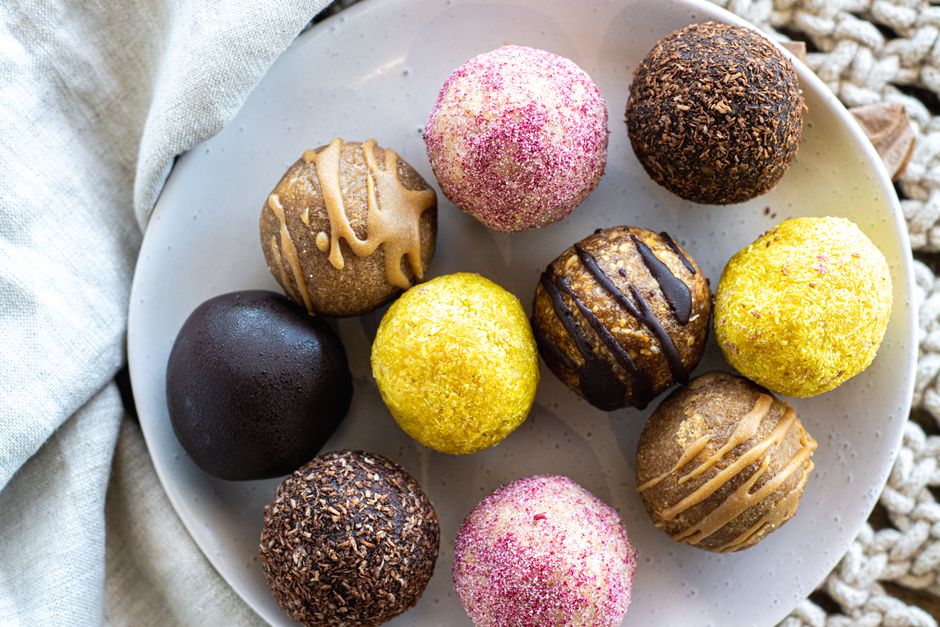
No-bake energy balls are a genre with a lot of weak versions — recipes that lean so hard on honey and chocolate chips that the "protein" claim barely moves the needle. This one is built around a real protein source (protein powder plus peanut butter) instead of trying to hit a macro target with wishful thinking.
Skip ahead toCurated by Emma · 7 min readWhy this version actually works
The base ratio matters more than any individual add-in. Too much liquid (honey, nut butter) and the balls won't hold together; too little and the mixture crumbles instead of rolling. This recipe uses oats as the main binder along with peanut butter for both fat and structure, protein powder for the actual protein bump, and just enough honey to bring it together without turning the whole batch overly sweet.
No-Bake High-Protein Energy Balls
One-bowl, no-bake protein snack balls made with oats, peanut butter, and protein powder — ready in 15 minutes.
☆☆☆☆☆
Ingredients
- 1 cup old-fashioned rolled oats
- 1/2 cup natural peanut butter (or almond butter)
- 1/2 cup vanilla or chocolate protein powder
- 1/3 cup honey or maple syrup
- 2-3 tablespoons water or milk, as needed
- 1/4 cup mini chocolate chips (optional)
- 1 tablespoon chia seeds or ground flaxseed (optional)
- Pinch of salt
Instructions
- Step 1. In a large bowl, stir together the oats, protein powder, chia seeds (if using), and salt.
- Step 2. Add the peanut butter and honey, then mix until a thick, slightly crumbly dough forms.
- Step 3. Add water or milk one tablespoon at a time until the mixture holds together when pressed between your fingers.
- Step 4. Fold in chocolate chips if using.
- Step 5. Cover the bowl and chill the mixture in the fridge for 15-20 minutes to firm up slightly and make rolling easier.
- Step 6. Roll into 16 balls, about 1 tablespoon of mixture each.
- Step 7. Store in an airtight container in the fridge for up to 1 week, or freeze for up to 3 months.
Tips for getting the texture right
- If the mixture is too dry and won't hold together, add water or milk a teaspoon at a time — protein powder absorbs moisture differently depending on the brand, so exact liquid amounts vary.
- If it's too sticky to roll, chilling it longer (30 minutes instead of 15) usually solves it, since the peanut butter firms up in the cold.
- Use a small cookie scoop for evenly sized balls without measuring each one by hand — it also makes the rolling step faster.
- Wet your hands slightly before rolling if the mixture is sticking to your palms.
Protein powder notes
Whey, casein, and plant-based protein powders all work, but they behave a little differently. Whey tends to make the mixture slightly drier, so you may need an extra splash of liquid. Plant-based powders can vary more by brand in how much moisture they absorb, so start with less liquid and add more as needed rather than dumping it all in at once.
Variations
- Chocolate peanut butter: use chocolate protein powder and add a tablespoon of cocoa powder.
- Coconut: roll the finished balls in unsweetened shredded coconut instead of leaving them plain.
- Trail mix style: swap in a mix of chopped nuts, dried cranberries, and mini chocolate chips instead of just chocolate chips.
- Nut-free: substitute sunflower seed butter or tahini for the peanut butter — the ratio works the same.
Storage
These keep well in the fridge in an airtight container for up to a week, and they freeze well too — just pull a few out the night before, or let them thaw for about 10 minutes at room temperature. Freezing them individually on a tray before transferring to a bag or container keeps them from clumping into one frozen mass.
The takeaway
These energy balls solve the usual problem with "protein" snack recipes — most of the protein bump actually comes from real protein powder and peanut butter rather than just marketing. They take about 15 minutes hands-on, need zero baking, and hold up in the fridge or freezer for whenever a quick snack is needed.
Frequently asked questions
How much protein is actually in these?
About 5 grams per ball with this ratio, so two or three balls gets you a meaningful protein snack rather than just a sugary bite.
Can I make these without protein powder?
Yes, though the protein content drops significantly — you'd want to lean more on Greek yogurt powder, extra nut butter, or ground nuts to make up some of the difference if protein powder isn't an option.
Why won't my energy balls hold together?
Usually too little liquid relative to the dry ingredients, or not chilling the mixture before rolling. Add liquid a teaspoon at a time and give the mixture time in the fridge to firm up.
How long do these last?
Up to a week in the fridge in an airtight container, or up to three months in the freezer.
Read next

Further reading & trusted sources
Worth knowing before you start
Protein powder brand matters more than most no-bake recipes let on, because whey, casein, and plant-based powders absorb liquid at noticeably different rates — the exact same recipe can come out dry and crumbly with one brand and perfectly rollable with another, which is why a fixed liquid amount in a recipe is really just a starting point rather than a guarantee. Chilling the mixture before rolling isn’t just a texture preference either — the peanut butter firming up in the cold is what keeps the balls from sticking to your palms and losing their shape while you work through the batch.
Emma thinks a recipe has failed if it needs a long backstory before the ingredients — so hers get straight to the point, with the small technique notes that actually change how a dish turns out. She leads The Nourish Kitchen’s recipes and food guides, writing each one to work in a real, busy kitchen rather than a photo studio. AI tools help with research and drafting, and a human checks every recipe for clarity and food safety before it publishes. Nutrition figures are honest estimates, never guarantees.