 By Emma Hartley, Food Editor
Reviewed & updated September 2026
This Korean-inspired ground beef bowl has taken over weeknight dinner rotations for good reason: it's genuinely fast, uses ingredients you probably already have, and tastes like something you'd order at a restaurant. One pan, 15 minutes, and a sauce that's the right balance of savory, sweet, and just slightly spicy.
 What this guide coversCurated by Emma · 8 min read
Why This Recipe Works So Well
Most "quick dinner" recipes sacrifice flavor for speed. This one doesn't — the secret is the sauce, which caramelizes into the beef as it cooks and creates a sticky, glossy coating that clings to every bite. The combination of soy sauce, sesame oil, ginger, and gochugaru (Korean chili flakes) is a pantry staple in Korean cooking, and once you have those four things on hand, this meal comes together in the time it takes your rice to cook.
The recipe is based on a classic Korean dish called bulgogi, traditionally made with thinly sliced marinated beef. This ground beef version takes a fraction of the time with similar flavor results — ideal for a weeknight.
Korean Ground Beef Bowl
A fast, savory ground beef bowl with a soy-sesame-ginger sauce served over steamed rice — weeknight dinner in 15 minutes.
☆☆☆☆☆
Ingredients
- 1 lb (450g) lean ground beef
- 3 cloves garlic, minced
- 1 tsp fresh ginger, grated (or 1/2 tsp ground ginger)
- 3 tbsp low-sodium soy sauce
- 1 tbsp sesame oil
- 1 tbsp brown sugar (or honey)
- 1 tsp gochugaru (Korean chili flakes) or 1/2 tsp crushed red pepper flakes
- 1/2 tsp black pepper
- 2 cups cooked white or brown rice for serving
- 3 green onions, thinly sliced
- 1 tbsp toasted sesame seeds
- Optional: sliced cucumber, shredded carrots, or pickled daikon for serving
Instructions
- Step 1. In a small bowl, whisk together soy sauce, sesame oil, brown sugar, gochugaru, and black pepper. Set aside.
- Step 2. Heat a large skillet over medium-high heat. Add ground beef and cook, breaking it apart with a wooden spoon, until mostly browned, about 5-6 minutes. Drain excess fat if needed.
- Step 3. Add minced garlic and grated ginger to the pan. Cook for 1 minute, stirring constantly, until fragrant.
- Step 4. Pour the sauce over the beef. Stir to coat and cook for 2-3 minutes until the sauce reduces slightly and coats the meat in a glossy glaze.
- Step 5. Serve immediately over steamed rice. Top with sliced green onions and sesame seeds. Add optional fresh or pickled vegetables alongside.
Step-by-Step Tips for the Best Results
Brown the beef properly. Resist the urge to stir constantly. Let the beef sit against the hot pan for 2–3 minutes before breaking it apart — this creates some browning and more complex flavor. Ground beef that's stirred constantly tends to steam rather than brown.
Drain excess fat. Lean ground beef (90/10 or 93/7) produces much less fat than 80/20. If you use regular ground beef, tilt the pan and spoon out excess fat before adding the garlic and sauce — a greasy sauce doesn't coat the beef the same way.
Don't skip the fresh ginger. Powdered ginger works in a pinch but fresh ginger gives a brightness that's distinctly Korean in flavor. A small knob of ginger in the freezer grates easily from frozen and keeps for months.
Let the sauce caramelize. The 2–3 minutes of cooking after you add the sauce is important — the sugars need time to reduce and get a little sticky. Rushing this step leaves the sauce watery.
Ingredient Swaps and Variations
No gochugaru? Use crushed red pepper flakes (start with 1/4 tsp — they're hotter) or a teaspoon of sriracha stirred into the sauce. For a completely mild version, skip the heat element entirely.
Ground turkey or chicken: Works well. Turkey especially takes the sauce nicely, though it's a bit leaner and can dry out if overcooked.
Add vegetables: Shredded cabbage, julienned carrots, edamame, or a handful of baby spinach can go directly into the pan with the beef in the last 2 minutes of cooking to wilt.
Cauliflower rice: A popular lower-carb swap that works with the bold sauce.
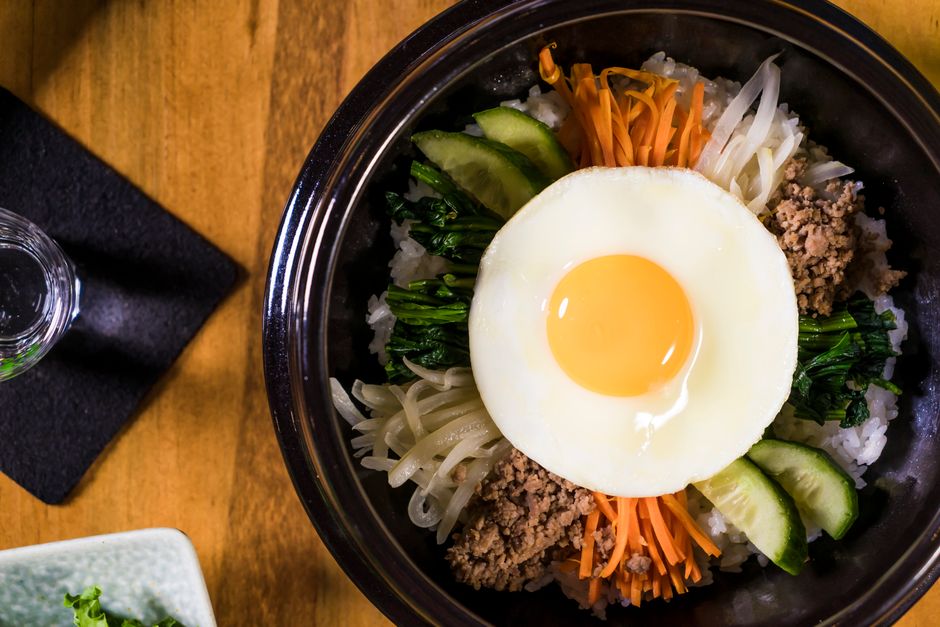
Make it a bibimbap: Add a fried egg on top, a few spoonfuls of kimchi alongside, and a drizzle of gochujang — this is the full Korean bowl experience.
What to Serve Alongside
The bowl is complete as-is, but if you're feeding a crowd or want to expand:
- Kimchi — the fermented tang cuts through the richness of the beef and is the most authentic pairing
- Quick-pickled cucumbers — thinly sliced cucumber + rice vinegar + a pinch of sugar, left for 10 minutes, is an easy banchan (side dish)
- Steamed or roasted broccoli — a standard weeknight addition that works
- Soft-boiled egg — halved lengthwise and placed on top of the bowl adds richness
Storage and Meal Prep
The cooked beef keeps well in the refrigerator for up to 4 days and freezes for up to 3 months. Store it separately from the rice for best texture. To reheat, add a splash of water to the pan and warm over medium heat, stirring, until hot through. The sauce will reconstitute with the added moisture.
This recipe is excellent for meal prep: cook a double batch of beef and portion it over rice for grab-and-go lunches all week.
The Takeaway
The Korean ground beef bowl earns its place in the weeknight rotation because it's fast without being boring. The sauce — soy, sesame, ginger, a little heat, a little sweet — is versatile enough to use on just about any protein, and the whole thing comes together in the time it takes to cook rice. Once you've made it once, you'll know the sauce by heart.
Frequently Asked Questions
Can I make this ahead of time?
Yes — the cooked beef reheats beautifully. Make a double batch on Sunday and reheat portions throughout the week. Store the rice separately, as it tends to dry out when stored mixed with the beef.
What's the difference between gochugaru and gochujang?
Gochugaru is dried chili flakes — coarse, bright red, moderately spicy, used in many Korean dishes including kimchi. Gochujang is a fermented chili paste — thicker, deeper in flavor, slightly sweet. This recipe calls for gochugaru, but a teaspoon of gochujang stirred into the sauce is a great substitute if that's what you have.
Is this dish actually Korean or Korean-inspired?
This is a Korean-inspired adaptation of bulgogi flavors, not a traditional Korean dish. Authentic bulgogi uses thinly sliced marinated beef cooked on a grill or griddle. This ground beef version borrows the classic seasonings for speed and accessibility, but it's a Western weeknight adaptation.
Can I use frozen ground beef?
Yes, but thaw it completely in the refrigerator overnight first. Cooking from frozen results in uneven cooking and excess liquid that dilutes the sauce. If you're in a hurry, the cold water thaw method (in a sealed bag submerged in cold water, changed every 30 minutes) will thaw a pound of ground beef in about an hour.
Read next
Related articles
- “Juicy Air Fryer Chicken Breast (Never Dry Again)”
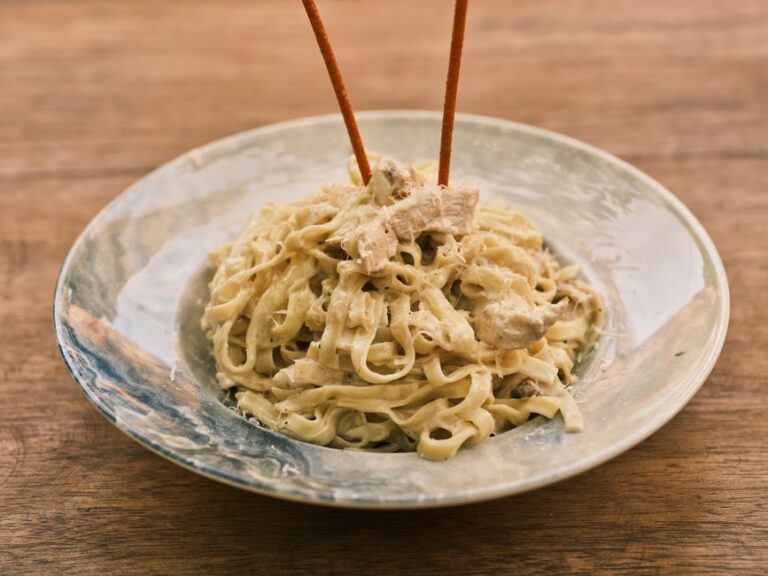
- Creamy Chicken Alfredo Pasta
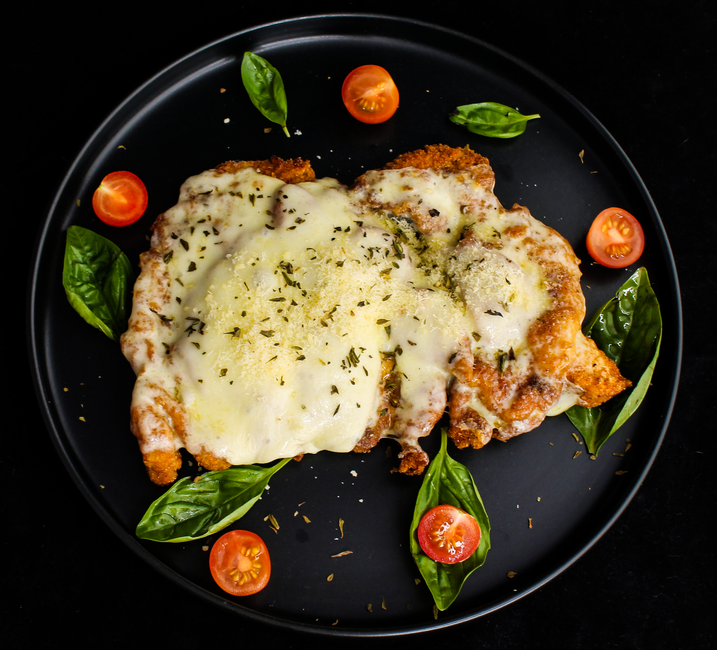
- Crispy Baked Chicken Parmesan
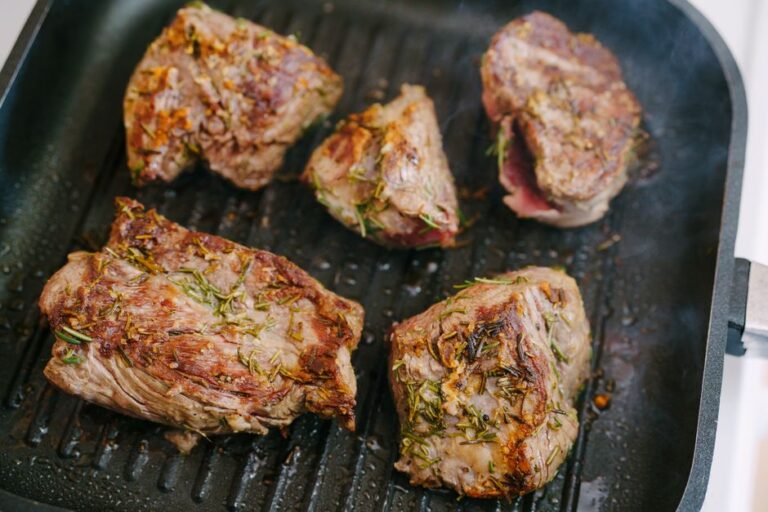
- Garlic Butter Steak Bites
- Homemade Margherita Pizza
- Classic Beef Chili
Further reading & trusted sources
Worth knowing before you start
The sauce only glazes properly if the fat is drained first — ground beef with a lot of fat content pools it in the pan, and the soy-sesame-sugar sauce floats on top instead of coating the meat. Drain after browning and the caramelised finish comes naturally in under two minutes.
Emma thinks a recipe has failed if it needs a long backstory before the ingredients — so hers get straight to the point, with the small technique notes that actually change how a dish turns out. She leads The Nourish Kitchen’s recipes and food guides, writing each one to work in a real, busy kitchen rather than a photo studio. AI tools help with research and drafting, and a human checks every recipe for clarity and food safety before it publishes. Nutrition figures are honest estimates, never guarantees.