 By Emma Hartley, Food Editor
Reviewed & updated September 2026
This honey garlic salmon comes together in one skillet in about 15 minutes, with a sticky-sweet glaze that caramelizes right onto the fish. It's the kind of weeknight dinner that tastes far more impressive than the effort it actually takes.
 What this guide coversCurated by Emma · 8 min read
Why this recipe works
Salmon has enough natural fat to sear well without drying out, and a honey-soy-garlic glaze reduces fast because honey is mostly sugar — it thickens and caramelizes in the same pan you seared the fish in, no separate sauce pot needed. The whole thing is built around one skillet and a handful of pantry staples, which is why it's realistic on a weeknight even when you're short on time or energy.
Honey Garlic Salmon
Pan-seared salmon fillets glazed in a sticky honey garlic sauce, ready in 15 minutes with one skillet.
☆☆☆☆☆
Ingredients
- 4 salmon fillets (about 6 oz each), skin on or off
- Salt and black pepper, to taste
- 1 tablespoon olive oil
- 4 garlic cloves, minced
- 1/3 cup honey
- 3 tablespoons soy sauce
- 1 tablespoon rice vinegar (or apple cider vinegar)
- 1/2 teaspoon red pepper flakes (optional)
- 1 tablespoon butter
- Sliced green onions and sesame seeds, for serving
Instructions
- Step 1. Pat salmon fillets dry with a paper towel and season both sides with salt and pepper.
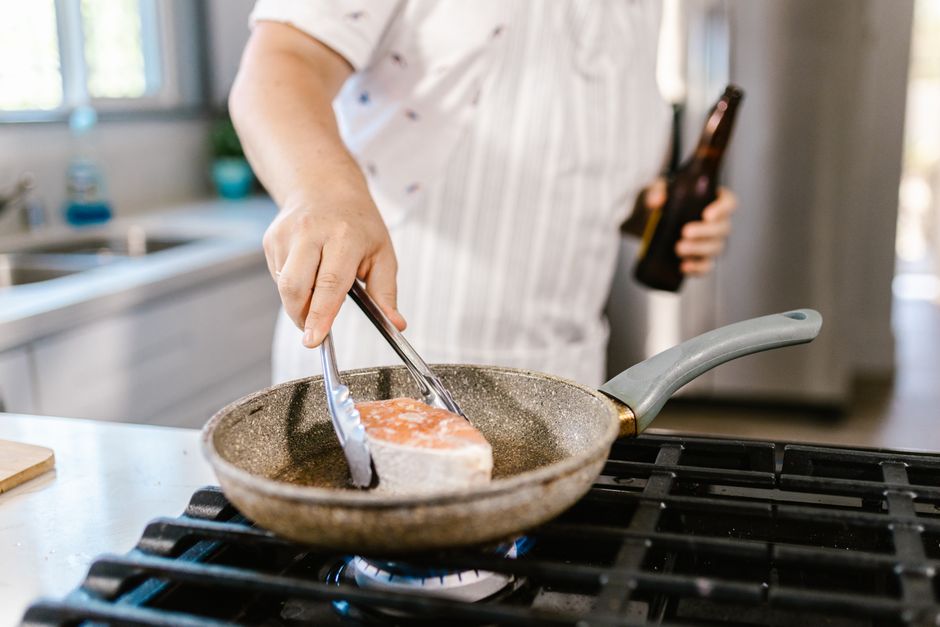
- Step 2. Heat olive oil in a large skillet over medium-high heat. Add salmon skin-side up (or presentation-side down) and sear for 4-5 minutes without moving it, until a golden crust forms.
- Step 3. Flip the salmon and cook for another 2-3 minutes, then transfer to a plate. It doesn’t need to be fully cooked through yet — it will finish in the sauce.
- Step 4. Lower the heat to medium. Add garlic to the same skillet and cook for 30 seconds until fragrant, scraping up any browned bits from the salmon.
- Step 5. Whisk in honey, soy sauce, vinegar, and red pepper flakes if using. Simmer for 2-3 minutes, stirring often, until it thickens slightly and coats the back of a spoon.
- Step 6. Stir in butter until melted and glossy. Return the salmon to the skillet, spooning sauce over each fillet, and cook for 1-2 more minutes until the salmon is cooked through and the glaze is sticky.
- Step 7. Top with green onions and sesame seeds. Serve immediately, spooning extra sauce from the pan over the top.
Ingredient notes
Salmon: Skin-on fillets hold together better during searing, but skinless works fine too — just handle it a bit more gently when flipping. Fresh or fully thawed frozen salmon both work; pat it very dry before searing either way, since a wet surface steams instead of sears.
Honey: Regular clover or wildflower honey is fine. Avoid very dark, strong-flavored honeys like buckwheat here — the flavor can overpower the garlic and soy rather than complementing them.
Soy sauce: Regular soy sauce gives the best balance of salt and umami. Low-sodium works if you're watching salt, but taste the glaze before serving and adjust, since low-sodium versions can make the sauce taste flat without a pinch of salt added back.
Tips for a glaze that actually thickens properly
- Don't rush the sear. A proper crust on the salmon before it goes into the glaze gives you texture contrast — crisp edges under a sticky sauce, instead of everything uniformly soft.
- Watch the honey closely once it's simmering. It goes from "just right" to "starting to burn" faster than most sauces because of the sugar content — stay near the pan for those 2-3 minutes rather than walking away.
- Add the butter at the end, off high heat. Butter added too early or over too-high heat can separate rather than emulsify smoothly into the glaze.
- If the glaze gets too thick before the salmon is ready, a tablespoon of water whisked in loosens it back up without diluting the flavor much.
Variations
- Spicier: double the red pepper flakes, or add a teaspoon of sriracha to the glaze.
- Citrus version: swap the vinegar for fresh lime or lemon juice for a brighter, less deep flavor.
- Ginger garlic: add a teaspoon of grated fresh ginger alongside the garlic for a warmer, slightly sharper edge.
- Air fryer version: season and air fry salmon at 400°F for 7-9 minutes while the glaze reduces separately in a small saucepan on the stove, then combine.
What to serve it with
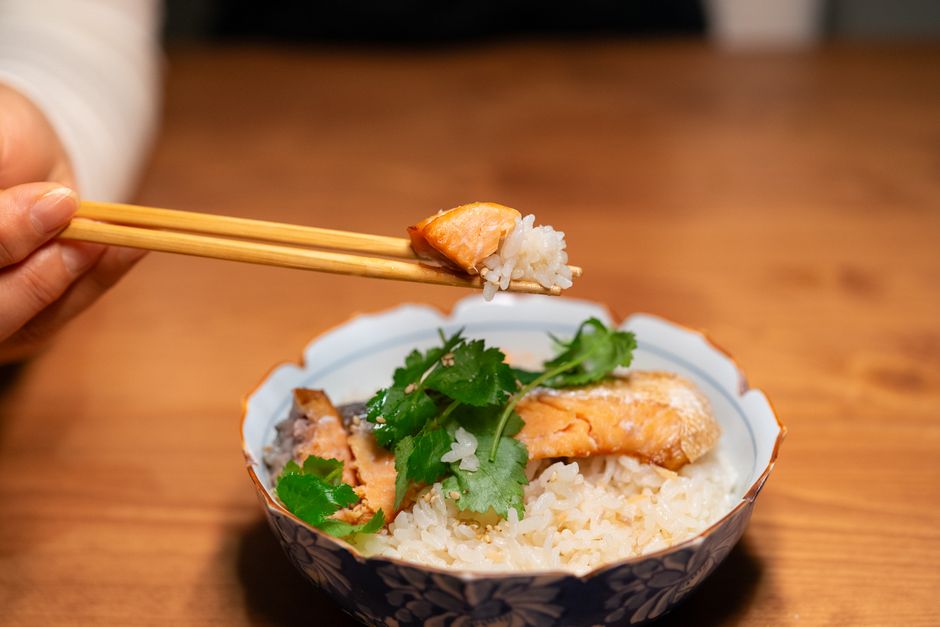
The glaze is sweet and savory enough to want something plain underneath to soak it up — steamed jasmine or basmati rice is the most natural pairing. For vegetables, quick-roasted broccoli, sautéed green beans, or bok choy all hold up well against the sauce without competing with it. A simple cucumber salad on the side adds a cool, crisp contrast to the warm, sticky salmon.
Storage and reheating
Store leftover salmon in an airtight container in the fridge for up to 3 days. Reheat gently in a skillet over low-medium heat with a splash of water to loosen the glaze, or in the microwave in short 20-30 second bursts — salmon overcooks and dries out fast on high heat, so low and slow is worth the extra minute. This recipe isn't ideal for freezing, since the glaze's texture changes noticeably after thawing.
The takeaway
Honey garlic salmon earns its place in a weeknight rotation because it's genuinely fast, uses ingredients most people already have, and the technique — sear, then glaze in the same pan — is nearly foolproof once you've made it once. Watch the glaze closely as it reduces and don't skip patting the salmon dry before searing, and you'll get a restaurant-looking result with minimal cleanup.
Frequently asked questions
Can I use frozen salmon for this recipe?
Yes, as long as it's fully thawed and patted very dry before searing. Cooking from frozen won't sear properly and will release too much water into the pan, preventing the crust from forming.
Is this recipe very sweet?
It's balanced rather than dessert-sweet — the soy sauce, garlic, and optional red pepper flakes cut through the honey's sweetness. If you prefer it less sweet, reduce the honey to 1/4 cup and add an extra teaspoon of soy sauce.
Can I make the glaze ahead of time?
Yes, the glaze (garlic, honey, soy sauce, vinegar) can be mixed ahead and stored in the fridge for up to 3 days. Bring it to room temperature before adding to the hot skillet so it reduces evenly.
What's the best way to tell when the salmon is fully cooked?
It should flake easily with a fork and reach an internal temperature of 125-130°F for medium (slightly translucent center) or 140-145°F for well done. Since it keeps cooking briefly in the hot glaze after you turn off the heat, pulling it a few degrees early helps avoid overcooking.
Read next

Further reading & trusted sources
Worth knowing before you start
Honey goes from perfectly glazed to scorched fast once it hits a hot pan, because sugar caramelizes on a much steeper curve than savory sauces do — staying at the stove for those final two to three minutes matters more here than in almost any other quick sauce. Searing the salmon to a real crust before it ever touches the glaze is what gives the finished dish textural contrast instead of everything going uniformly soft and sticky.
Emma thinks a recipe has failed if it needs a long backstory before the ingredients — so hers get straight to the point, with the small technique notes that actually change how a dish turns out. She leads The Nourish Kitchen’s recipes and food guides, writing each one to work in a real, busy kitchen rather than a photo studio. AI tools help with research and drafting, and a human checks every recipe for clarity and food safety before it publishes. Nutrition figures are honest estimates, never guarantees.