 By Emma Hartley, Food Editor
Reviewed & updated September 2026
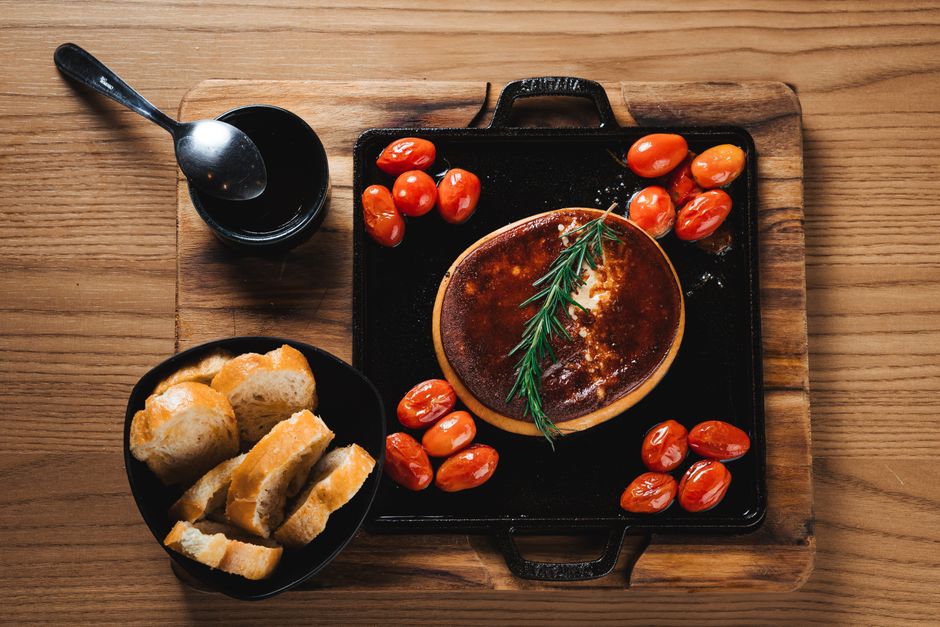
This is the pasta that took over the internet a few years ago, and it earned the hype — a block of feta and a pile of cherry tomatoes roast together until the feta goes soft and creamy and the tomatoes burst into a natural sauce, then you just stir it through pasta. Almost no active effort, huge payoff.
 Jump to a sectionCurated by Emma · 7 min read
Why this recipe works
Feta holds its shape at high heat far better than softer cheeses, so instead of melting into a puddle, it slowly softens and takes on the flavor of the olive oil and roasted tomato juices around it. Once you mash it with a fork at the end, it becomes an instant creamy sauce — no roux, no cream, no standing over a pot stirring.
Baked Feta Pasta
A creamy, oven-roasted tomato and feta sauce tossed with pasta — five main ingredients, minimal effort.
☆☆☆☆☆
Ingredients
- 1 block (8 oz) feta cheese
- 2 pints cherry or grape tomatoes
- 1/3 cup olive oil
- 4 cloves garlic, whole and peeled
- 1/2 tsp red pepper flakes (optional)
- Salt and black pepper, to taste
- 12 oz short pasta (penne, fusilli, or rigatoni)
- 1/4 cup fresh basil, torn
- Zest of 1 lemon (optional)
Instructions
- Step 1. Preheat oven to 400°F (200°C).
- Step 2. In a large baking dish, toss the cherry tomatoes and garlic cloves with olive oil, salt, and pepper.
- Step 3. Nestle the block of feta into the center of the tomatoes. Drizzle a little more olive oil over the feta and sprinkle with red pepper flakes.
- Step 4. Bake for 30-35 minutes, until the tomatoes are blistered and bursting and the feta is soft and lightly golden on top.
- Step 5. While the feta bakes, cook the pasta in salted boiling water until al dente. Reserve 1 cup of pasta water, then drain.
- Step 6. Remove the baking dish from the oven. Mash the feta and tomatoes together with a fork until it forms a chunky, creamy sauce.
- Step 7. Add the cooked pasta directly to the baking dish and toss to combine, adding splashes of reserved pasta water until the sauce coats everything smoothly.
- Step 8. Stir in the fresh basil and lemon zest. Taste and adjust salt and pepper. Serve immediately.
Ingredient notes and swaps
Use a block of feta, not the pre-crumbled kind — crumbled feta is drier and won't create the same creamy texture once mashed. A block packed in brine (rather than dry-vacuum-sealed) tends to soften more evenly in the oven.
Cherry or grape tomatoes work best because their skins blister and burst reliably; larger tomatoes take longer and release more water, which can make the sauce thinner than intended.
Tips for the best texture
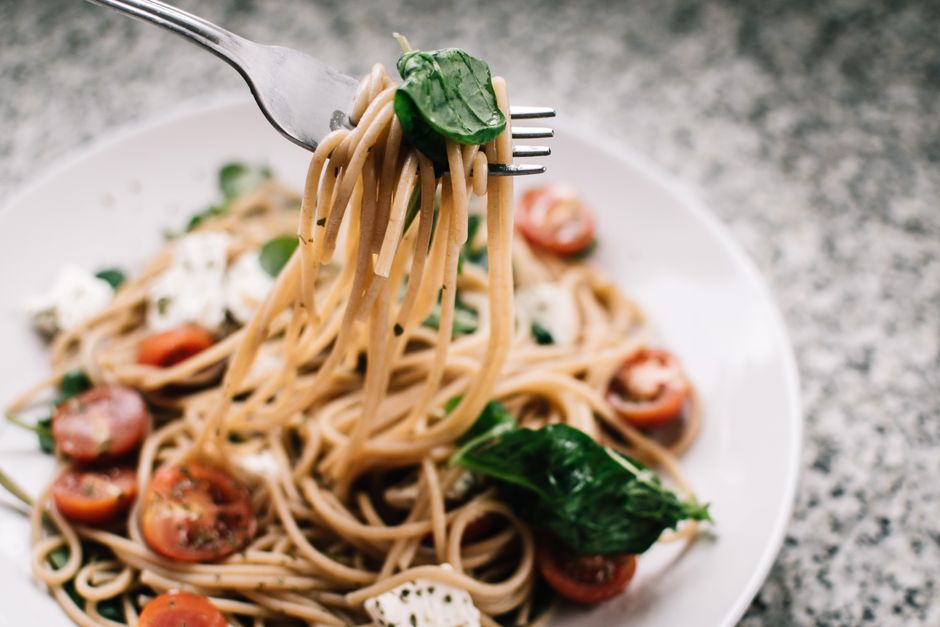
Don't skip the reserved pasta water — the starch in it is what helps the sauce cling to the pasta instead of pooling at the bottom of the dish. Add it a splash at a time; you may not need the full cup.
[TAKE] The step people skip that changes everything: mashing the feta and tomatoes together before adding the pasta, not after. Mixing it in the dish while it's still hot and loose makes it much easier to get an evenly creamy sauce rather than stray feta chunks.
Variations worth trying
Add a can of drained white beans or chickpeas to the baking dish in the last 10 minutes for extra protein and heartiness. A handful of baby spinach stirred in at the end wilts from the residual heat and adds color. For a spicier version, double the red pepper flakes or add a diced jalapeño alongside the tomatoes.
Make-ahead and storage
This is best fresh, since feta sauces can firm up in the fridge, but leftovers reheat well with a splash of water or olive oil stirred in over low heat to loosen the sauce back up. It keeps in an airtight container in the fridge for up to 3 days. Freezing isn't recommended — the texture of the sauce doesn't hold up well after thawing.
What to serve alongside
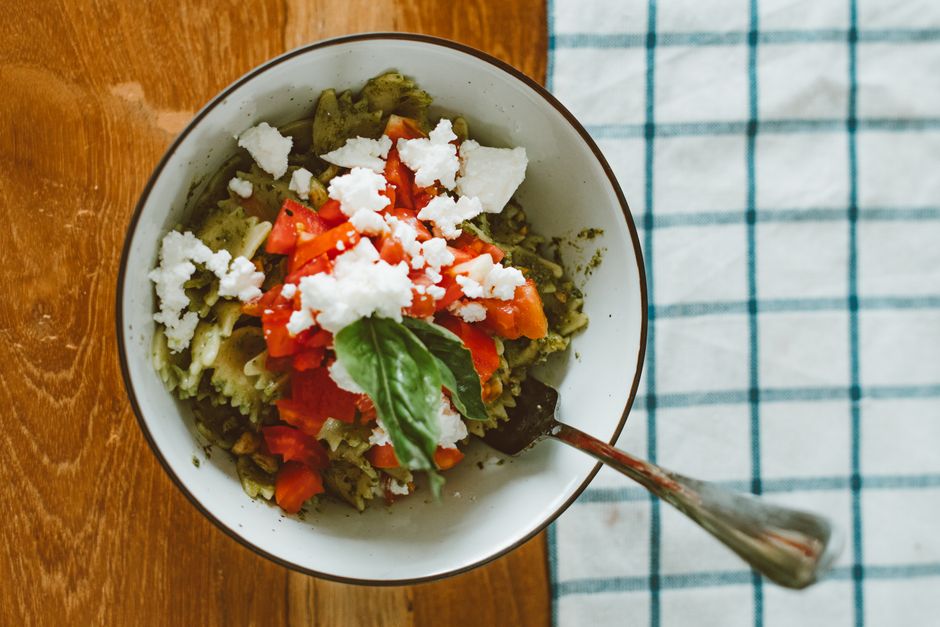
A simple green salad with a lemony vinaigrette balances the richness of the sauce well. Crusty bread is worth having on the table too — there's always a little sauce left in the dish worth mopping up.
The takeaway
Baked feta pasta earns its reputation: minimal hands-on time, a handful of ingredients, and a genuinely restaurant-worthy result. It's a strong pick for a weeknight when you want something that feels a little special without the effort of a "special" recipe.
Frequently asked questions
Can I use a different cheese instead of feta?
Goat cheese works as a substitute and creates a similarly creamy texture, though the flavor will be tangier and less salty than traditional feta.
Why is my sauce watery?
This usually means the tomatoes released more liquid than expected, or not enough pasta water starch was used to help emulsify the sauce. Simmer it on the stovetop for a couple of minutes after mixing in the pasta to help it thicken.
Can I make this ahead of time for meal prep?
You can roast the feta and tomatoes ahead and store them separately from freshly cooked pasta, then combine and reheat when ready to eat for the best texture.
Is baked feta pasta vegetarian?
Yes, as written it's vegetarian. To make it vegan, swap the feta for a plant-based feta alternative, though the texture and melt will differ from real feta.
Read next


Further reading & trusted sources
From our test kitchen
The sauce only turns creamy if the feta and tomatoes are mashed together while still hot, straight in the baking dish — waiting until after the pasta goes in leaves stray unmelted chunks instead of a smooth sauce. Block feta packed in brine softens far more evenly in the oven than the dry vacuum-sealed kind, which tends to stay crumbly even after 35 minutes.
Emma thinks a recipe has failed if it needs a long backstory before the ingredients — so hers get straight to the point, with the small technique notes that actually change how a dish turns out. She leads The Nourish Kitchen’s recipes and food guides, writing each one to work in a real, busy kitchen rather than a photo studio. AI tools help with research and drafting, and a human checks every recipe for clarity and food safety before it publishes. Nutrition figures are honest estimates, never guarantees.