 By Emma Hartley, Food Editor
Reviewed & updated September 2026
Meal prepping doesn't have to mean eating the exact same chicken-and-rice bowl five days straight. This plan gives you real variety across breakfast, lunch, and dinner using overlapping ingredients, so you spend one focused session in the kitchen and still look forward to what's in the fridge each night.
 What this guide coversCurated by Emma · 10 min read
- The strategy: shared ingredients, different meals
- What you’ll cook in one session
- 5-Day Meal Prep: Garlic-Herb Chicken, Grains & Roasted Veggies
- Your 5-day plan
- Breakfast rotation
- Storage and reheating tips
- Common meal prep mistakes to avoid
- Variations to keep it interesting week to week
- The takeaway
- Further reading & trusted sources
The strategy: shared ingredients, different meals
The trick to meal prep that doesn't feel repetitive is cooking a handful of base components once, then combining them differently across the week. This plan uses grilled chicken, roasted vegetables, and a grain base as the backbone, then varies the sauces, sides, and formats (bowl, wrap, salad) so day three doesn't taste identical to day one.
What you'll cook in one session
- 2 lbs chicken breast or thighs, seasoned two different ways (half with a simple garlic-herb rub, half with a smoky paprika-cumin rub) so it doesn't taste identical across every meal.
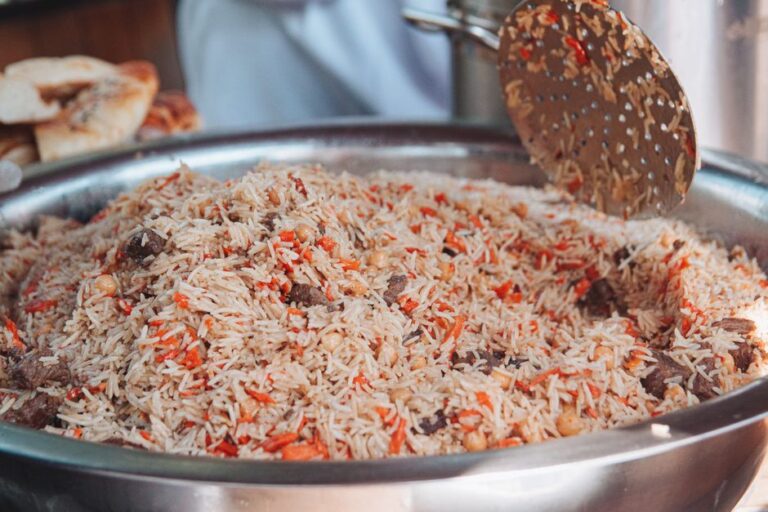
- 6 cups grain base — a mix of rice and quinoa, cooked separately or together, forms the backbone of several lunches and dinners.
- 2 large sheet pans of roasted vegetables — broccoli, bell peppers, and zucchini on one; sweet potato and red onion on the other, both roasted at 425°F for about 25 minutes.
- A batch of hard-boiled eggs (6–8) for quick breakfasts and salad protein.
- Overnight oats base for breakfast, prepped in individual jars.
Total active cooking time is about 90 minutes, mostly hands-off while things roast.
5-Day Meal Prep: Garlic-Herb Chicken, Grains & Roasted Veggies
A base meal prep formula of seasoned chicken, grains, and roasted vegetables that combines into five different breakfast, lunch, and dinner meals across the week.
☆☆☆☆☆
Ingredients
- 2 lbs chicken breast or thighs
- 1 tbsp olive oil + 1 tsp garlic powder + 1 tsp dried oregano + salt/pepper (for half the chicken)
- 1 tbsp olive oil + 1 tsp smoked paprika + 1 tsp cumin + salt/pepper (for the other half)
- 2 cups uncooked rice
- 1 cup uncooked quinoa
- 2 cups broccoli florets
- 2 bell peppers, sliced
- 1 zucchini, sliced
- 2 sweet potatoes, cubed
- 1 red onion, sliced
- 3 tbsp olive oil, divided, for roasting vegetables
- 6-8 eggs, for hard-boiling
- 1 cup rolled oats + 1 cup milk (dairy or plant-based) + 1 tbsp honey, for overnight oats, per jar as needed
Instructions
- Step 1. Preheat oven to 425°F. Line two sheet pans with parchment.
- Step 2. Season the chicken: rub half with garlic-herb seasoning, half with smoky paprika-cumin seasoning. Bake on a sheet pan for 22-25 minutes until internal temp hits 165°F, then rest 5 minutes before slicing or shredding.
- Step 3. While chicken bakes, toss broccoli, bell pepper, and zucchini with 1.5 tbsp olive oil, salt, and pepper on one sheet pan. Toss sweet potato and red onion with the remaining oil, salt, and pepper on the second pan. Roast both at 425°F for 20-25 minutes, stirring halfway.
- Step 4. Cook rice and quinoa according to package directions while the oven is going.
- Step 5. Hard-boil the eggs: cover with cold water, bring to a boil, cover and remove from heat for 10-11 minutes, then transfer to an ice bath and peel once cool.
- Step 6. Assemble overnight oats jars: combine oats, milk, and honey in individual jars, stir, and refrigerate overnight (repeat for however many breakfast jars you want).
- Step 7. Portion chicken, grains, and roasted vegetables into containers using the day-by-day combinations below, storing components separately where possible for best texture.
Your 5-day plan
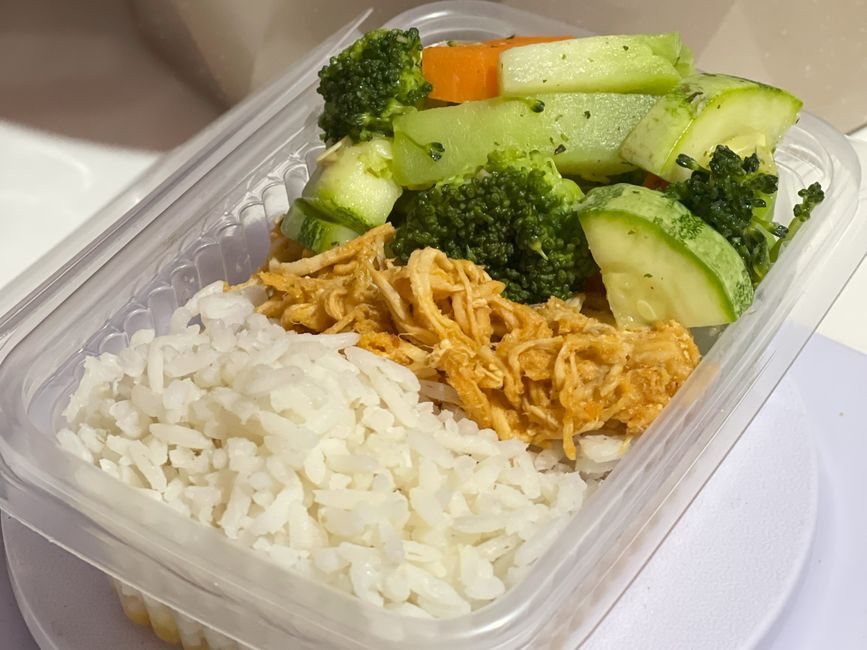
Monday — Garlic-herb chicken bowl. Garlic-herb chicken over rice and quinoa with the broccoli-pepper-zucchini mix, drizzled with a squeeze of lemon and a spoon of plain yogurt or tahini.
Tuesday — Breakfast-for-dinner wrap. Smoky chicken, roasted sweet potato, and a fried or scrambled egg wrapped in a tortilla with a bit of hot sauce or salsa — a genuinely different format from a bowl, using the same ingredients.
Wednesday — Grain salad. Quinoa and rice base with chopped hard-boiled egg, roasted sweet potato and onion, and a simple vinaigrette (olive oil, vinegar, mustard, honey) served cold or room temp.
Thursday — Sheet pan reheat bowl. Smoky chicken with the sweet potato-onion mix and a fresh handful of greens or spinach wilted in for something lighter than the earlier bowls.
Friday — Loaded rice bowl. Garlic-herb chicken, remaining roasted vegetables, a soft or fried egg on top, and a drizzle of whatever sauce you have on hand (sriracha mayo, peanut sauce, or tahini all work).
Breakfast rotation
- Overnight oats jars (prepped the night before, or all five in one batch) for 2–3 mornings.
- Hard-boiled eggs + fruit for a faster, lower-effort morning.
- A smoothie using frozen fruit, spinach, and a scoop of protein or peanut butter for days you want something quick to drink on the way out.
Storage and reheating tips
- Store components separately when possible. Chicken, grains, and vegetables in separate containers (or separated by dividers) reheat better and let you actually mix and match instead of committing to one combo for all five days.
- Cooked chicken and grains keep well for 4–5 days refrigerated in airtight containers. Roasted vegetables are best within 3–4 days, as they soften further with reheating.
- Reheat vegetables separately and briefly — 60-90 seconds in the microwave, or a quick pan reheat — to avoid the mushy texture that comes from over-microwaving.
- Freeze extra portions if you cooked more than five days' worth; both the chicken and grain base freeze well for up to 2 months.
Common meal prep mistakes to avoid
- Prepping everything in one giant container per day instead of separating components — vegetables steam and go soggy sitting against hot rice and chicken for days.
- Using the same sauce every single day. Rotating between a vinaigrette, a yogurt-based sauce, and something with a kick (sriracha, hot sauce) is what actually keeps the same base ingredients from feeling repetitive.
- Skipping the second seasoning profile. Cooking all the chicken with one seasoning is the single biggest reason meal prep starts to feel boring by Wednesday — two different rubs from the same protein solves most of that.
- Not accounting for actual weekday time. If your mornings are rushed, don't plan a breakfast that needs assembly — stick to grab-and-go jars or pre-portioned containers.
Variations to keep it interesting week to week
Once this base formula feels familiar, swap in different proteins (ground turkey, tofu, salmon) or grains (farro, couscous, cauliflower rice) using the same shared-ingredient structure. The format — one protein cooked two ways, roasted vegetables, a grain base, rotated into 5 different meal formats — works with almost any combination.
The takeaway
A meal prep plan that actually gets eaten all week isn't about cooking five identical containers — it's cooking a few flexible components once and recombining them into genuinely different meals. This 5-day plan uses one shopping list and about 90 minutes of active cooking to cover 15+ meals across the week.
Frequently asked questions
How long does meal prep like this actually last in the fridge?
Cooked chicken and grains hold up well for 4-5 days refrigerated in airtight containers. Roasted vegetables are best eaten within 3-4 days for texture, though they're still safe a bit longer.
Can I make this vegetarian?
Yes — swap the chicken for baked tofu (pressed, cubed, tossed in the same seasoning blends, and roasted) or a double batch of chickpeas roasted with the same spices.
Do I need to prep all five breakfasts, lunches, and dinners in one session?
No. Most people find a 60-90 minute Sunday session for lunches and dinners, plus a quick 10-minute breakfast batch (like overnight oats), is enough — you don't have to prep all three meals for all five days in one marathon session.
What containers work best for this kind of meal prep?
Glass or BPA-free plastic containers with separate compartments help keep vegetables from getting soggy against hot rice or chicken. If you only have single-compartment containers, layer with vegetables on top so they don't sit directly against hot grains.
Read next
Further reading & trusted sources
The trick that actually works
Storing roasted vegetables in the same container as hot rice or chicken is the fastest way a meal-prep batch turns soggy, since the trapped steam from the warmer components softens the vegetables far faster than time alone would — separating components, even with a simple divider, preserves texture for days longer. Cooking the same protein with two different seasoning rubs in a single session, rather than one rub across the whole batch, is a small extra step that does more to prevent ‘meal prep fatigue’ by Wednesday than adding an entirely different protein would.
Emma thinks a recipe has failed if it needs a long backstory before the ingredients — so hers get straight to the point, with the small technique notes that actually change how a dish turns out. She leads The Nourish Kitchen’s recipes and food guides, writing each one to work in a real, busy kitchen rather than a photo studio. AI tools help with research and drafting, and a human checks every recipe for clarity and food safety before it publishes. Nutrition figures are honest estimates, never guarantees.