 By Emma Hartley, Food Editor
Reviewed & updated September 2026
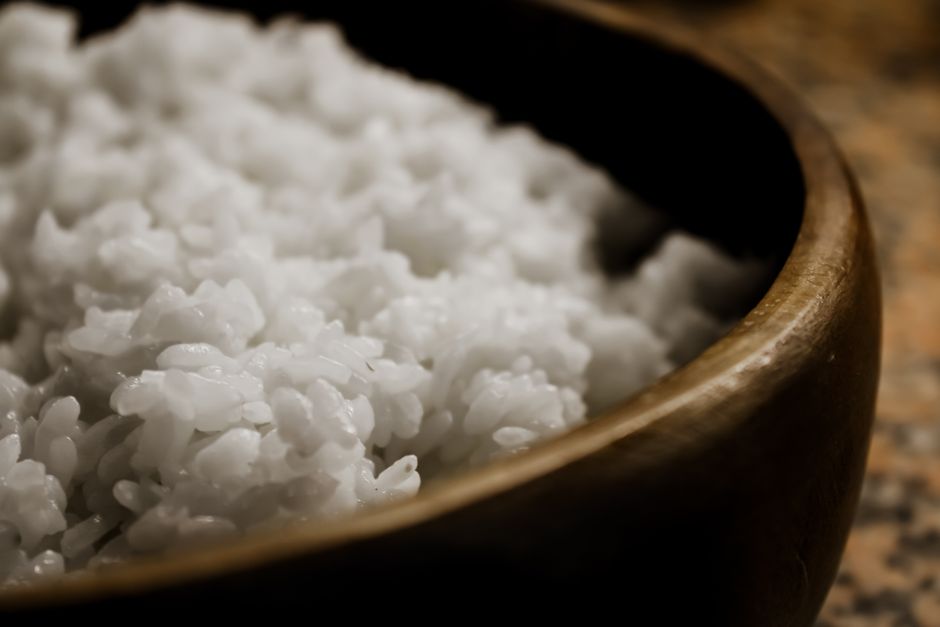
Perfectly cooked rice — fluffy, separate, never gummy or scorched — is one of those simple kitchen skills that quietly upgrades every meal. It took me an embarrassing number of mushy, stuck-to-the-pot batches to finally crack it, but the fix turned out to be just three things: the ratio, the heat, and one crucial step almost everyone skips — letting it rest.
Here's the reliable, no-fail method for stovetop white rice, plus the small tweaks that make all the difference.
 Skip ahead toCurated by Emma · 7 min read
The golden rules
- Rinse first. Rinsing rice under cold water until it runs clear removes surface starch — the culprit behind gummy, clumpy rice.
- Get the ratio right. For most long-grain white rice, use 1 cup rice to 1.5 cups water. Too much water makes it mushy.
- Don't peek. Lifting the lid releases the steam that cooks the rice. Trust the timer.
- Always rest it. Letting rice sit off the heat, covered, for 10 minutes lets the moisture redistribute so every grain is fluffy.
Why rinsing and resting matter (the two most-skipped steps)
Two of those rules are the ones people skip, and they're exactly the ones that separate clumpy rice from restaurant-fluffy rice — so they're worth understanding, not just following. Rinsing washes away the loose surface starch that coats every grain. That starch is what makes rice gluey and sticky as it cooks, the grains clumping into a pasty mass; rinse it off (swirl the rice under cold water in a sieve until the cloudy water runs clear, about 30 seconds) and the grains cook up separate and distinct. Resting is the genuine secret weapon and feels counterintuitive, so trust it: when rice finishes simmering, the grains at the bottom are wetter and the moisture is unevenly distributed, so digging in immediately gives you a gummy, uneven pot. Pull it off the heat and let it sit, still covered, for ten minutes — during that rest the residual steam redistributes evenly through every grain and finishes them gently, so when you finally lift the lid and fluff with a fork, the whole pot is light and perfect. Rinse to prevent gluey rice; rest to guarantee fluffy rice.
The foolproof stovetop method
Perfect Stovetop White Rice
Fluffy, never-gummy stovetop white rice using the right ratio, gentle heat, and a crucial rest.
☆☆☆☆☆
Ingredients
- 1 cup long-grain white rice
- 1.5 cups water
- 1/2 tsp salt
- 1 tsp butter or oil (optional)
Instructions
- Step 1. Rinse the rice in a fine strainer under cold water until the water runs clear, about 30 seconds.
- Step 2. Combine the rinsed rice, water, salt, and butter in a saucepan and bring to a boil over medium-high heat.
- Step 3. As soon as it boils, reduce the heat to low, cover with a tight lid, and simmer undisturbed for 15 minutes.
- Step 4. Remove from the heat (still covered) and let it rest 10 minutes without lifting the lid.
- Step 5. Fluff gently with a fork and serve.
Heat control, and the "don't peek" rule
Two more habits make this genuinely foolproof. Get the heat right. Bring the pot to a boil over medium-high, then — the moment it boils — drop it to low and keep it at the gentlest simmer with a tight lid. The most common cause of crunchy, undercooked rice is heat that's too high: the water boils away before the grains have absorbed enough to cook through (and the bottom scorches). A low, steady simmer lets the rice drink up the water slowly and evenly. And resist lifting the lid. Rice cooks by trapped steam, so every peek releases that steam, drops the temperature, and throws off the timing — leaving you with unevenly cooked grains. Set a timer, trust it, and leave the lid alone for the whole 15-minute simmer and the 10-minute rest. If you genuinely think it needs it, you can add a tiny splash more water near the end of cooking, but for a tested ratio you usually won't. A tight lid, low heat, and the discipline not to peek are the rest of the formula.
Adjusting for other types of rice
Different rice needs different water and time. As a rough guide: jasmine and basmati use about 1.5 cups water per cup (and benefit from a soak); brown rice needs about 2.25 cups water and 40-45 minutes; short-grain sushi rice uses roughly equal parts water. Always rinse and always rest, whatever the type.
Frequently asked questions
Why is my rice always mushy? Usually too much water, skipping the rinse, or stirring during cooking (which releases starch). Stick to the ratio, rinse first, and leave it alone.
Why is it crunchy or undercooked? The heat was likely too high and the water evaporated before the rice cooked. Keep it on a low simmer with a tight lid, and add a splash more water if needed.
Do I really need to rinse rice? For fluffy, separate grains, yes — rinsing removes the surface starch that makes rice gummy and clumpy. Rinse until the water runs clear.
Why rest the rice after cooking? Resting (covered, off the heat) lets the steam redistribute moisture evenly through the grains and finish them gently, so the whole pot turns out fluffy instead of wet at the bottom.
Can I make it ahead? Yes — cool it quickly and refrigerate up to 4 days. Day-old rice is perfect for fried rice. Reheat with a splash of water to bring back moisture.
Read next

Related articles
- Easy Chicken Caesar Wrap
- One-Pan Garlic Butter Chicken and Veggies
- Lemon Garlic Shrimp Pasta in 25 Minutes
- Better-Than-Takeout 15-Minute Fried Rice
- Make-Ahead Freezer Breakfast Burritos
- The Best Easy Weeknight Beef Tacos
Further reading & trusted sources
Where recipes usually go wrong
Rinsing the rice until the water runs clear washes off the surface starch that makes it gummy. Then resting it lid-on, off the heat, for ten minutes finishes what the steam started.
Emma thinks a recipe has failed if it needs a long backstory before the ingredients — so hers get straight to the point, with the small technique notes that actually change how a dish turns out. She leads The Nourish Kitchen’s recipes and food guides, writing each one to work in a real, busy kitchen rather than a photo studio. AI tools help with research and drafting, and a human checks every recipe for clarity and food safety before it publishes. Nutrition figures are honest estimates, never guarantees.