 By Emma Hartley, Food Editor
Reviewed & updated September 2026
Meal prep is the secret weapon of anyone who wants to eat well without cooking every single night. Done right, a couple of hours on the weekend means healthy, ready-to-go meals all week — less stress, less takeout, and less food waste. I came to it the way most people do: tired of the daily 6pm "what's for dinner" panic and the takeout receipts that came with it. And you don't need fancy containers or a culinary degree to start.
This beginner's guide breaks meal prep down into a simple, repeatable system you can actually stick with.
 On this pageCurated by Emma · 5 min read
Start small, not perfect
The biggest mistake beginners make is trying to prep every meal for the entire week on day one — then burning out by Wednesday and swearing off meal prep forever. Instead, pick one win:
- Prep just lunches for the workweek (5 containers).
- Prep components (a grain, a protein, a roasted veg) and mix-and-match.
- Double a dinner and freeze half for later.
Master one of these, make it a habit, and then add another. A sustainable small system beats an ambitious one you quit.
The balanced-bowl formula
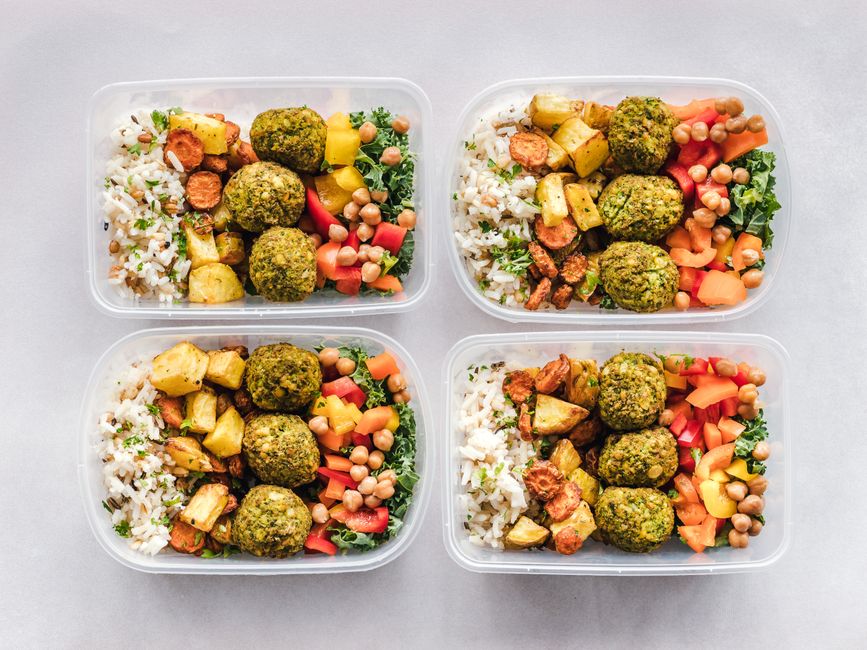
Most easy meal-prep meals follow one simple template. Hit these three and you'll never be bored:
- A protein — grilled chicken, baked tofu, ground turkey, beans, or hard-boiled eggs.
- A complex carb — rice, quinoa, roasted potatoes, or whole-grain pasta.
- Vegetables — roasted, raw, or a quick salad, ideally something colourful.
Add a sauce or dressing (stored separately) to keep things exciting and prevent sogginess.
A simple 2-hour prep plan
Work in parallel to save time: get your oven going first, then your stovetop, then assemble.
- Roast a sheet pan of vegetables and a tray of protein in the oven.
- Simmer a pot of rice or quinoa on the stove while the oven works.
- Chop raw veg and make one or two sauces while everything cooks.
- Assemble into containers, keeping wet and crunchy items separate.
The "cook once, eat differently" trick that prevents boredom
Here's the single idea that turns meal prep from a chore you abandon into a habit that sticks: prep versatile components, not five identical finished meals. The fastest way to hate meal prep is to eat the exact same chicken-and-rice bowl five days running. Instead, batch a few neutral building blocks — a protein, a grain, some roasted veg — and then transform them each day with different sauces and add-ins. The same roast chicken becomes a Mexican bowl with salsa and beans on Monday, a Mediterranean plate with hummus and feta on Tuesday, and a quick wrap with mustard and greens on Wednesday. You did the work once, but it tastes like three different lunches. Keeping the components plain and the flavour separate (in little sauce containers) is the whole secret to meal prep you'll actually keep doing.
Storage tips that keep food fresh
Cool food before sealing to avoid condensation. Most cooked meals keep 3–4 days in the fridge; anything beyond that, freeze. Store dressings, sauces, and crunchy toppings separately and add them just before eating. Label containers with the date so nothing gets forgotten. Glass containers last longer and don't stain or hold odours the way plastic does — a worthwhile early upgrade.
Frequently asked questions
How long does meal-prepped food last? Most cooked dishes keep 3–4 days refrigerated. Freeze portions you won't eat within that window.
Won't the food get boring? Prep versatile components (a protein, a grain, a veg) rather than identical full meals, and rotate sauces to change the flavour each day.
What foods don't meal prep well? Delicate greens, anything fried, and creamy sauces can suffer. Keep crunchy and saucy elements separate until serving.
How do I start meal prepping without burning out? Begin with just one meal — usually weekday lunches — and prep components rather than whole meals. Add more only once that habit feels easy.
Do I need special containers? No, but glass containers with dividers help a lot — they don't stain, they reheat safely, and the sections keep wet and crunchy foods apart so nothing goes soggy.
Read next
Related articles
- Easy High-Protein Cottage Cheese Recipes
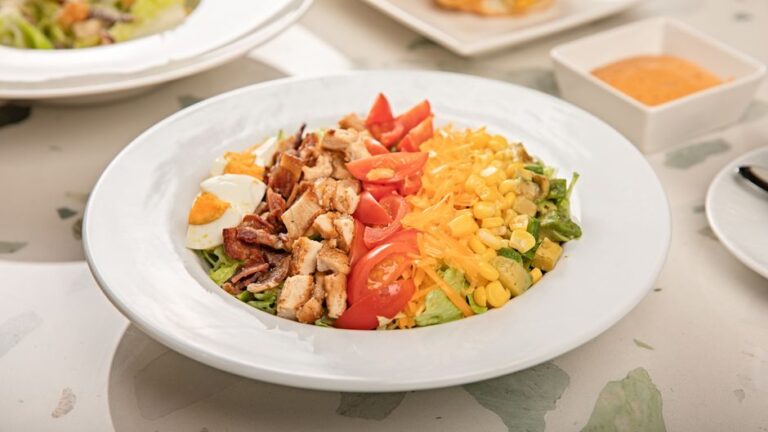
- Loaded Cobb Salad
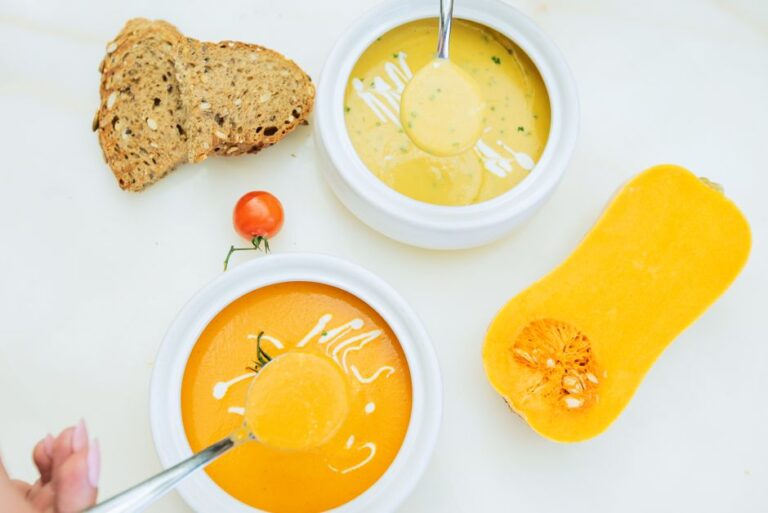
- Roasted Butternut Squash Soup
- Quinoa Power Bowl with Lemon Tahini
- High-Protein Spinach Feta Egg Muffins
- Easy Sheet-Pan Salmon and Vegetables
The trick that actually works
The prep that survives the week is components, not finished meals — a grain, a protein, a sauce, some roasted veg, then mix and match. Five identical containers get abandoned by Wednesday; flexible parts don’t.
Further reading & trusted sources
Emma thinks a recipe has failed if it needs a long backstory before the ingredients — so hers get straight to the point, with the small technique notes that actually change how a dish turns out. She leads The Nourish Kitchen’s recipes and food guides, writing each one to work in a real, busy kitchen rather than a photo studio. AI tools help with research and drafting, and a human checks every recipe for clarity and food safety before it publishes. Nutrition figures are honest estimates, never guarantees.