 By Emma Hartley, Food Editor
Reviewed & updated September 2026
Some dinners earn a permanent spot in the weeknight rotation, and garlic butter shrimp is one of them — a handful of ingredients, one skillet, and a finished plate in about 15 minutes. It's the kind of recipe that tastes like it took real effort but doesn't ask much of you on a Tuesday.
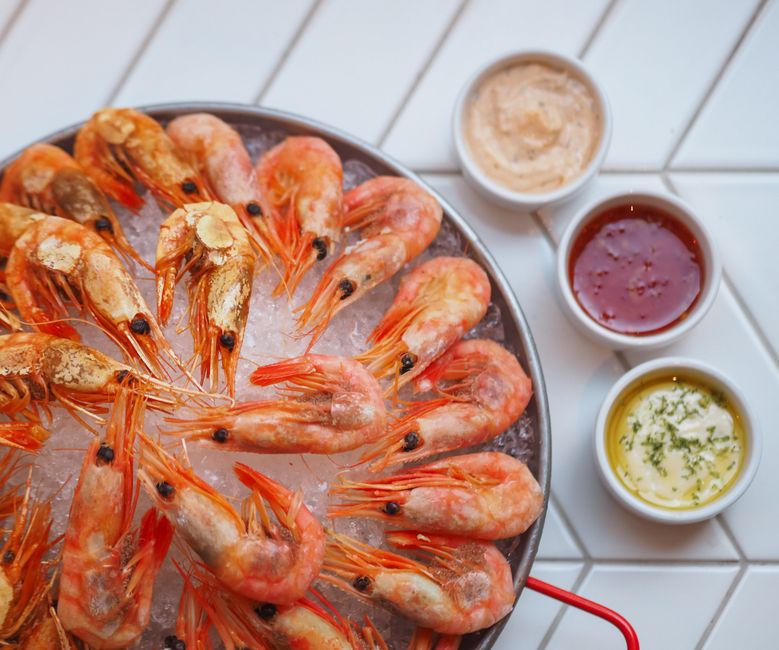
Shrimp cooks fast, which is exactly why this dish works as a weeknight staple — the hardest part is not overcooking it. Once you get the timing down, this becomes a five-ingredient, no-recipe-card-needed dinner you can make from memory.
Jump to a sectionCurated by Emma · 8 min readWhy this version works
A lot of garlic butter shrimp recipes either drown the shrimp in too much liquid or let the garlic burn before the shrimp is even in the pan. This version builds the sauce in stages — garlic first over gentler heat, then a hot sear for the shrimp, then butter melted in at the end so it stays glossy instead of greasy.
Garlic Butter Shrimp
Juicy shrimp seared in a garlicky, lemony butter sauce — ready in about 15 minutes with just one skillet.
☆☆☆☆☆
Ingredients
- 1.5 lbs large shrimp, peeled and deveined, tails on or off
- 4 tbsp unsalted butter, divided
- 1 tbsp olive oil
- 5 cloves garlic, minced
- 1/4 tsp red pepper flakes (optional)
- 1/2 cup low-sodium chicken broth or dry white wine
- 1 lemon, juiced (about 2-3 tbsp)
- 1/4 cup fresh parsley, chopped
- Salt and black pepper, to taste
Instructions
- Step 1. Pat the shrimp completely dry with paper towels and season with salt and pepper on both sides.
- Step 2. Heat the olive oil and 1 tablespoon of butter in a large skillet over medium heat. Add the garlic and red pepper flakes, and cook for 30-45 seconds, stirring constantly, until fragrant but not browned.
- Step 3. Turn the heat up to medium-high. Add the shrimp in a single layer and cook for about 1.5-2 minutes per side, until pink and just opaque. Remove the shrimp to a plate — don’t leave them in the pan while you build the sauce.
- Step 4. Pour the broth or wine into the same skillet and let it simmer for 1-2 minutes, scraping up any browned bits from the bottom.
- Step 5. Reduce heat to low and stir in the remaining 3 tablespoons of butter a piece at a time, letting each melt before adding the next, until the sauce looks glossy.
- Step 6. Stir in the lemon juice, then return the shrimp to the pan and toss to coat in the sauce. Warm through for about 30 seconds — don’t let the shrimp keep cooking or they’ll turn rubbery.
- Step 7. Remove from heat, stir in the parsley, and taste for salt and pepper before serving.
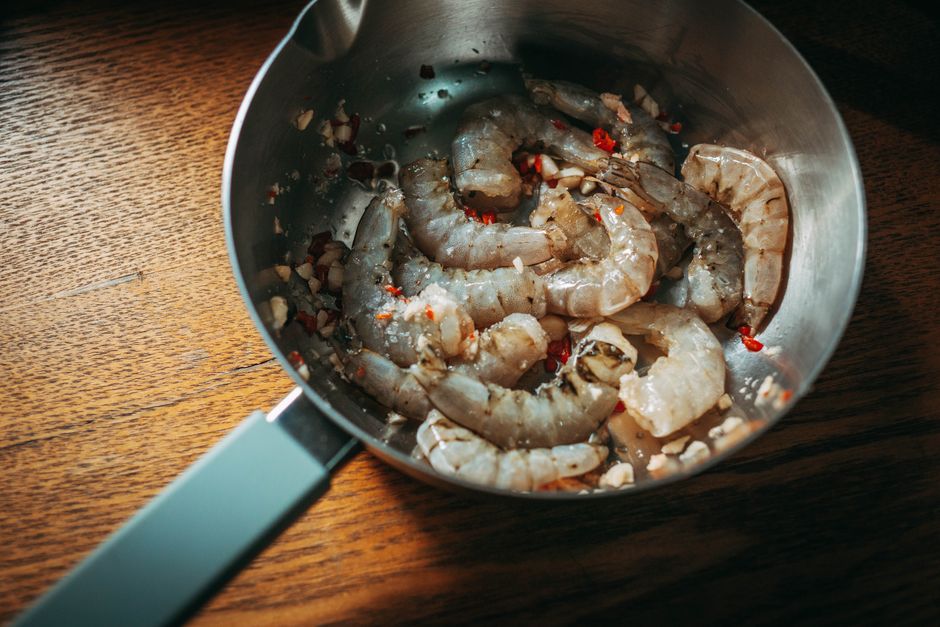
Tips for shrimp that isn't rubbery
- Dry your shrimp before it hits the pan. Wet shrimp steams instead of sears, and you lose that light golden edge.
- Don't crowd the skillet. If your shrimp are touching or overlapping, cook them in two batches — a crowded pan drops the temperature and the shrimp release water instead of browning.
- Pull them the moment they turn pink and opaque. Shrimp go from perfectly cooked to tough in about 60 extra seconds. When in doubt, undercook slightly in this step since they'll finish warming through in the sauce later.
Variations worth trying
- Spicier: Double the red pepper flakes or add a splash of hot sauce with the lemon juice.
- Creamier: Stir in 2-3 tablespoons of heavy cream along with the butter for a richer sauce.
- Herbier: Swap half the parsley for fresh basil or add a teaspoon of fresh thyme with the garlic.
- Bulk it up: Toss in a couple handfuls of baby spinach right before adding the shrimp back to the pan — it wilts in seconds.
What to serve it with
This is a sauce worth not wasting, so serve it over something that can soak it up: crusty bread, a bed of rice, buttered pasta, or mashed potatoes all work. For a lighter plate, spoon it over steamed rice or cauliflower rice with a simple green salad on the side.
Storage and reheating
Store leftovers in an airtight container in the fridge for up to 2 days. Shrimp reheats best gently — a quick warm-up in a skillet over low heat or short bursts in the microwave. Avoid reheating on high heat or for too long, since shrimp toughens quickly the second time around too. This recipe isn't a great freezer candidate; the texture of the shrimp suffers after thawing.
[TAKE] The detail most home cooks skip: pulling the shrimp out of the pan before building the sauce, then adding them back at the very end. Leaving shrimp in while you simmer broth and melt butter is the number one reason this dish turns rubbery — a quick sear, a rest on a plate, then a 30-second toss in the finished sauce keeps them tender.
The takeaway
Garlic butter shrimp earns its spot as a go-to weeknight dinner because it delivers restaurant-level flavor without restaurant-level effort. Dry shrimp, a hot pan, and pulling them out before the sauce comes together are the three things that separate a great version from a rubbery one — get those right and this becomes a five-ingredient recipe you don't need to look up twice.
Frequently asked questions
Can I use frozen shrimp?
Yes — thaw them completely first, either overnight in the fridge or under cold running water, and pat them very dry before cooking. Wet, partially frozen shrimp won't sear properly.
What size shrimp works best for this recipe?
Large or extra-large shrimp (about 21-25 count per pound) hold up best and are easiest to avoid overcooking. Smaller shrimp cook even faster, so watch them closely if that's what you have.
Can I make this dairy-free?
Yes — swap the butter for a plant-based butter alternative or use extra olive oil, though the sauce will be thinner and less glossy without butter's richness.
Why did my shrimp turn out rubbery?
Almost always overcooking. Shrimp need just 1.5-2 minutes per side in the initial sear and only about 30 seconds to reheat once returned to the sauce — any longer and the texture turns tough.
Read next

Further reading & trusted sources
The detail that makes the difference
Pulling the shrimp out of the pan before building the sauce, then only adding them back for a final 30-second toss, is what separates tender shrimp from rubbery — leaving them in the skillet while the broth reduces and butter melts is the single most common reason this dish turns tough.
Emma thinks a recipe has failed if it needs a long backstory before the ingredients — so hers get straight to the point, with the small technique notes that actually change how a dish turns out. She leads The Nourish Kitchen’s recipes and food guides, writing each one to work in a real, busy kitchen rather than a photo studio. AI tools help with research and drafting, and a human checks every recipe for clarity and food safety before it publishes. Nutrition figures are honest estimates, never guarantees.