 By Emma Hartley, Food Editor
Reviewed & updated September 2026
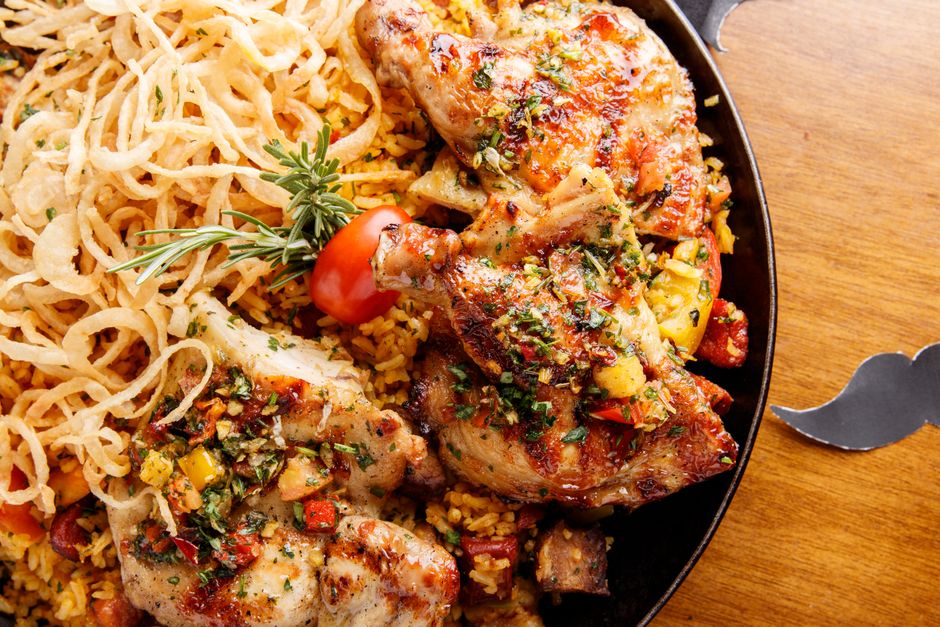
One-pot chicken and rice is the kind of recipe that earns a permanent spot in the weeknight rotation — juicy seared chicken, tender rice that cooks right in the flavorful broth, and exactly one pot to wash afterward. It's the definition of comfort food that doesn't ask much of you.
 Skip ahead toCurated by Emma · 9 min read
Easy One-Pot Chicken and Rice
Juicy seared chicken thighs and tender rice cooked together in one skillet with a savory garlic-herb broth. A complete, comforting weeknight dinner with minimal cleanup.
☆☆☆☆☆
Ingredients
- 4 bone-in, skin-on chicken thighs (or 6 boneless thighs)
- Salt and black pepper to taste
- 1 tablespoon olive oil
- 1 tablespoon butter
- 1 small yellow onion, diced
- 3 garlic cloves, minced
- 1 cup long-grain white rice, rinsed
- 2 cups low-sodium chicken broth
- 1 teaspoon dried thyme
- 1/2 teaspoon paprika
- 1 bay leaf
- 1 cup frozen peas (optional)
- Fresh parsley, chopped, for serving
- Lemon wedges, for serving
Instructions
- Step 1. Pat chicken thighs dry and season generously with salt and pepper on both sides.
- Step 2. Heat olive oil in a large deep skillet or Dutch oven over medium-high heat. Sear chicken skin-side down for 6-7 minutes until deeply golden, then flip and sear another 3-4 minutes. Remove chicken to a plate (it won’t be fully cooked yet).
- Step 3. Reduce heat to medium. Add butter to the same pot along with the diced onion. Cook for 3-4 minutes until softened, scraping up the browned bits from the bottom of the pot.
- Step 4. Add garlic and cook for 30 seconds until fragrant. Stir in the rinsed rice and toast for 1 minute, stirring constantly.
- Step 5. Add chicken broth, thyme, paprika, and bay leaf. Stir well and bring to a simmer.
- Step 6. Nestle the chicken thighs back into the pot, skin-side up, along with any accumulated juices. Cover, reduce heat to low, and cook for 20-25 minutes, until the rice has absorbed the liquid and the chicken reaches 165°F internally.
- Step 7. If using peas, stir them in during the last 5 minutes of cooking, tucking them into the rice.
- Step 8. Remove the bay leaf, let rest 5 minutes, then garnish with fresh parsley and serve with lemon wedges.
Why Searing the Chicken First Matters
Searing the chicken skin-side down before it ever touches the rice is the single most important step in this recipe. It renders the skin fat, which bastes the rice as it cooks, and it leaves behind browned bits (fond) on the bottom of the pot that become the flavor base for everything that follows. Skipping this step is the most common reason a one-pot chicken and rice recipe tastes flat — the rice cooks in plain broth instead of a broth built on real flavor.
Getting the Rice Texture Right
The most common complaint with one-pot rice dishes is either mushy or undercooked rice, and both usually trace back to the same issue: liquid ratio and heat control.
- Rinse the rice before adding it. This removes surface starch that otherwise makes the dish gluey.
- Use a tight-fitting lid. If steam escapes too easily, the liquid evaporates faster than the rice absorbs it, leaving crunchy grains at the 25-minute mark.
- Resist lifting the lid. Every peek releases steam and extends the cooking time. Trust the timer.
- Let it rest 5 minutes off heat before serving — the rice continues to steam and firm up during this window, which matters more than people expect.
Ingredient Swaps That Work
Chicken cuts: Bone-in thighs give the richest flavor and stay juiciest, but boneless thighs work with a slightly shorter sear. Bone-in breasts also work but need close attention since they dry out more easily than thighs.
Rice: Long-grain white rice is the most reliable choice for absorbing liquid evenly. Basmati works beautifully too. Avoid short-grain or arborio rice here — they release too much starch for this method and turn gummy.
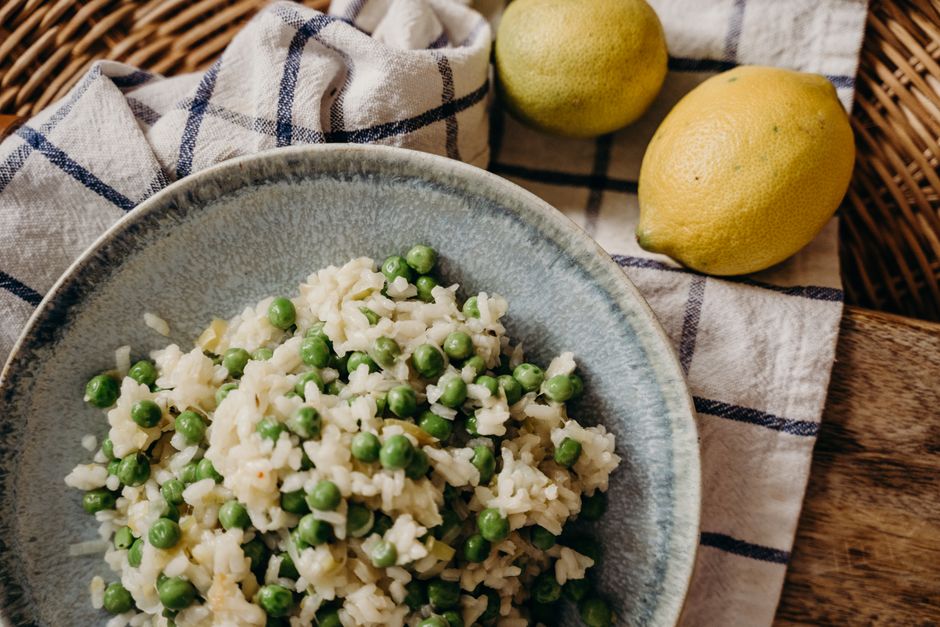
Vegetables: Diced carrots or bell peppers can go in with the onion for extra color and nutrition. Frozen peas stirred in near the end are the easiest addition since they need almost no cooking time.
Make It Your Own
Cajun-style: Swap the thyme and paprika for a full tablespoon of Cajun seasoning, and add diced bell pepper and celery with the onion.
Lemon-herb: Add the zest of one lemon to the rice along with a tablespoon of fresh chopped rosemary or thyme, and finish with extra lemon juice at the end.
Curry-spiced: Stir 1-2 teaspoons of curry powder in with the garlic, and finish with a swirl of coconut milk right before serving for a richer, slightly different direction.
Storage and Reheating
Refrigerator: Store in an airtight container for up to 4 days. The rice will firm up as it chills — this is normal.
Reheating: Add a splash of broth or water before microwaving or reheating on the stovetop over low heat, covered, to restore moisture. Rice reheats better with a little added liquid than dry.
Freezer: This dish freezes reasonably well for up to 2 months, though the texture of the rice softens slightly on thawing. Freeze in individual portions for easy weeknight reheating.
What to Serve Alongside
This dish is genuinely a complete meal on its own, but a few sides round it out nicely:
- A simple green salad with a light vinaigrette cuts through the richness
- Steamed or roasted broccoli adds color and a fresh contrast
- Crusty bread for scooping up any extra sauce from the pot
The Takeaway
One-pot chicken and rice earns its place as a weeknight staple because it delivers real, developed flavor from a short ingredient list and one pan. The technique that makes the difference is searing the chicken properly before it goes anywhere near the rice, and resisting the urge to lift the lid while it cooks. Once you've made it a couple of times, the method becomes second nature and endlessly adaptable to whatever spices or vegetables you have on hand.
Frequently asked questions
Can I use brown rice instead of white rice?
Yes, but brown rice needs significantly more liquid and cooking time — increase the broth to about 2.5 cups and extend the covered cooking time to 40-45 minutes, checking for doneness before serving.
Why is my rice still crunchy after the recommended cooking time?
This usually means steam escaped during cooking, either from a loose-fitting lid or from lifting it to check. Add 2-3 tablespoons of hot broth, re-cover tightly, and cook 5 more minutes on low.
Can I make this in a rice cooker or Instant Pot instead?
Yes — sear the chicken separately in a skillet first for the browning and fond, then transfer everything to the rice cooker or Instant Pot with the same liquid ratio and cook according to the appliance's white rice setting.
Is this recipe good for meal prep?
Very much so. It reheats well with a splash of added liquid, portions easily into containers, and the flavors hold up over several days in the fridge, making it one of the more reliable meal-prep dinners in this style.
Read next
Related articles
- Easy Slow Cooker Pot Roast
- Crispy Baked Chicken Parmesan
- Garlic Butter Steak Bites
- Creamy Mushroom Risotto
- Homemade Margherita Pizza
- Classic Beef Chili
Further reading & trusted sources
Worth knowing before you start
The most common one-pot rice mistake is lifting the lid to check progress, which releases the trapped steam the rice needs to finish absorbing liquid evenly — every peek adds real time to the cook. Rinsing the rice before it goes in the pot matters just as much, since the surface starch left on unrinsed grains is what makes the finished dish gluey instead of fluffy.
Emma thinks a recipe has failed if it needs a long backstory before the ingredients — so hers get straight to the point, with the small technique notes that actually change how a dish turns out. She leads The Nourish Kitchen’s recipes and food guides, writing each one to work in a real, busy kitchen rather than a photo studio. AI tools help with research and drafting, and a human checks every recipe for clarity and food safety before it publishes. Nutrition figures are honest estimates, never guarantees.