 By Emma Hartley, Food Editor
Reviewed & updated September 2026
Garlic parmesan chicken pasta is the kind of dinner that tastes like it took a lot more effort than it actually did. Juicy seared chicken, a silky garlic-parmesan sauce, and tender pasta all come together in a single pan in about half an hour — and there's only one pot to wash when you're done.
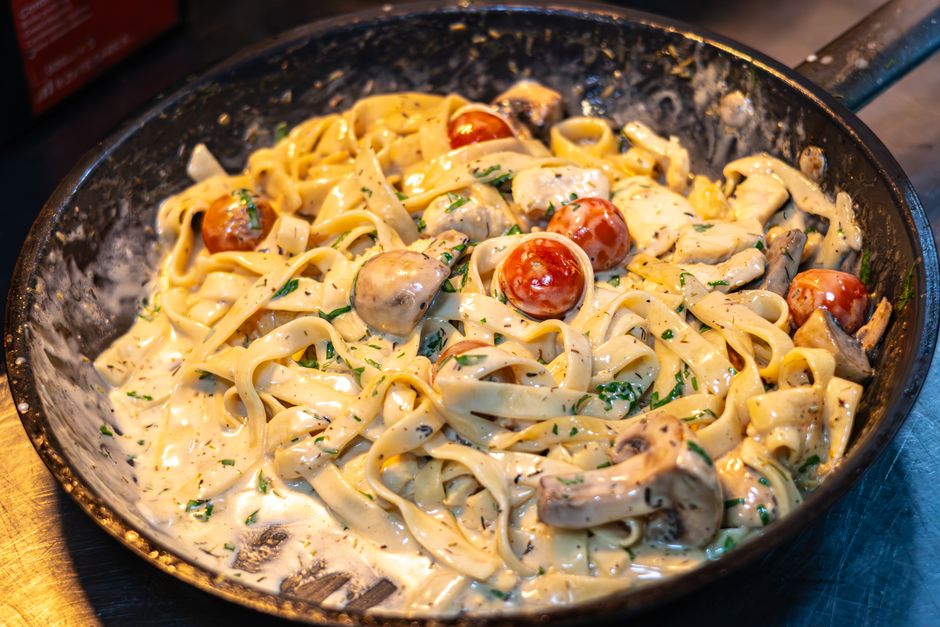
This is the dinner you make when you want something rich and comforting but don't have the energy for a long ingredient list or a sink full of dishes. Cooking everything in one pan isn't just about convenience — the pasta actually finishes cooking in the same broth the chicken was seared in, which means it soaks up all that flavor instead of losing it to a separate pot of boiling water. The result is a sauce that clings to every noodle rather than pooling at the bottom of the bowl.
On this pageCurated by Emma · 10 min readWhy this recipe works
- One pan, minimal cleanup. The chicken, garlic, and pasta all cook in the same skillet, so the starch from the noodles helps thicken the sauce naturally.
- Weeknight-fast. From raw chicken to a finished plate in about 30 minutes, with no marinating or resting required.
- Pantry-friendly. Chicken breast, pasta, garlic, and parmesan are staples most people already have on hand.
- Endlessly adaptable. Swap in chicken thighs, add vegetables, or adjust the richness of the sauce to taste.
Garlic Parmesan Chicken Pasta
Juicy seared chicken and tender pasta in a rich one-pan garlic parmesan sauce, ready in 30 minutes.
☆☆☆☆☆
Ingredients
- 1.5 lbs (680 g) boneless, skinless chicken breasts, cut into bite-sized pieces
- 1 tsp salt, divided
- 1/2 tsp black pepper, divided
- 1 tsp Italian seasoning
- 2 tbsp olive oil
- 3 tbsp unsalted butter, divided
- 5 cloves garlic, minced
- 12 oz (340 g) short pasta, such as penne or fusilli
- 3 cups (720 ml) low-sodium chicken broth
- 1 cup (240 ml) heavy cream
- 1 cup (100 g) freshly grated parmesan, plus more to serve
- 1/4 tsp red pepper flakes (optional)
- 2 tbsp fresh parsley, chopped, for garnish
Instructions
- Step 1. Season the chicken pieces with half the salt, half the pepper, and the Italian seasoning.
- Step 2. Heat the olive oil in a large, deep skillet over medium-high heat. Add the chicken in a single layer and sear for 5-6 minutes, turning occasionally, until golden brown and cooked through. Transfer to a plate.
- Step 3. Reduce the heat to medium and melt 2 tablespoons of the butter in the same skillet. Add the garlic and cook for 30-45 seconds, stirring constantly, until fragrant but not browned.
- Step 4. Add the pasta and chicken broth to the skillet, scraping up any browned bits from the bottom of the pan. Bring to a simmer.
- Step 5. Cover and cook for 12-14 minutes, stirring occasionally, until the pasta is al dente and most of the liquid has been absorbed.
- Step 6. Reduce the heat to low and stir in the heavy cream, parmesan, and remaining butter. Stir until the sauce is smooth and creamy, about 2 minutes.
- Step 7. Return the chicken and any accumulated juices to the skillet. Add the remaining salt and pepper, and the red pepper flakes if using. Toss everything together and simmer for 1-2 minutes to heat through.
- Step 8. Taste and adjust seasoning, then garnish with fresh parsley and extra parmesan before serving.
Tips for the best results
Cut the chicken into pieces of roughly the same size so everything cooks evenly, and don't crowd the pan when searing — if the pieces are touching, they'll steam instead of browning. A good sear early on builds a layer of caramelized flavor at the bottom of the pan that becomes the backbone of the sauce once the broth deglazes it.
Grate the parmesan yourself if you can. Pre-shredded parmesan is coated with anti-caking agents that keep it from melting smoothly, and a sauce made with it tends to turn grainy instead of silky. A block of parmesan and a microplane take an extra minute but make a real difference in the final texture.
Keep an eye on the pasta as it simmers. Different brands and shapes absorb liquid at slightly different rates, so start checking for doneness a couple of minutes before the recipe's stated time. If the liquid runs low before the pasta is fully tender, add a splash more broth rather than letting it scorch on the bottom of the pan.
Ingredient notes and swaps
Chicken. Boneless, skinless chicken thighs work just as well as breasts here, and they're more forgiving if you happen to overcook them slightly since they hold onto moisture better. Cut them into similar-sized pieces for even cooking.
Pasta shape. Short, sturdy shapes like penne, fusilli, or rotini hold the sauce best because their ridges and curves trap it. Long noodles like spaghetti can work, but they need more liquid and a bit more stirring to cook evenly in a skillet.
Cream. If you want a lighter sauce, half-and-half will work in place of heavy cream, though the sauce will be noticeably thinner and less rich. For an even lighter version, whisk a tablespoon of flour into the broth before adding it to help the sauce thicken without relying on as much dairy.
Broth. Low-sodium chicken broth is worth seeking out here, since the parmesan already adds a good amount of salt to the finished dish. If all you have is regular broth, hold back on the added salt until the very end and taste before adjusting.
Add vegetables
This recipe is a solid base for sneaking in vegetables without much extra effort. Baby spinach can be stirred in during the last minute of cooking and will wilt down almost instantly in the hot sauce. Sun-dried tomatoes, sliced mushrooms sautéed alongside the garlic, or steamed broccoli florets tossed in at the end are all good additions that don't require cooking separately from the main dish.
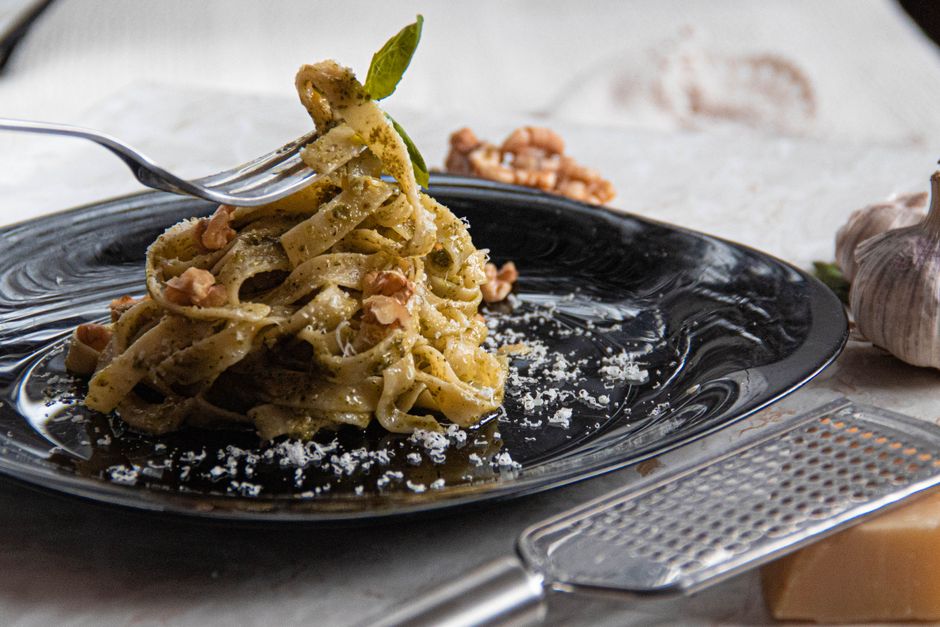
If you're adding a vegetable that releases a lot of water, like mushrooms or zucchini, cook it separately in a bit of butter first and stir it in at the end. Adding raw, watery vegetables directly to the simmering pasta can throw off the ratio of liquid to starch and leave the sauce thinner than intended.
Storage and reheating
Leftovers keep well in an airtight container in the refrigerator for up to 3 days. The sauce will thicken considerably as it chills since the starch from the pasta continues to absorb liquid, so don't be alarmed if it looks much denser the next day.
To reheat, warm it gently in a skillet over medium-low heat with a splash of chicken broth or milk stirred in to loosen the sauce back to its original consistency. Stir frequently and avoid high heat, which can cause the dairy in the sauce to separate. The microwave works in a pinch — heat in short 30-second bursts, stirring between each, and add a splash of liquid before you start.
This dish isn't a great candidate for freezing. Cream-based sauces tend to separate and turn grainy once thawed, and the texture rarely fully recovers even with careful reheating. If you want to make it ahead, it's better to prep the ingredients (cut chicken, mince garlic, measure the cream and parmesan) and cook it fresh when you're ready to eat.
The takeaway
Garlic parmesan chicken pasta earns its place in a weeknight rotation because it delivers a genuinely rich, restaurant-style dish using a single pan and about 30 minutes of active time. Searing the chicken first and cooking the pasta directly in the broth are the two moves that make the biggest difference — they build flavor into the sauce instead of leaving it behind in a colander. Once you've made it once, it's easy to adjust to what you have on hand, whether that's a different cut of chicken, a different pasta shape, or a handful of vegetables from the fridge.
Frequently asked questions
Can I make this ahead of time? It's best served fresh, since the sauce thickens and the pasta continues to absorb liquid as it sits. If you need to make it ahead, undercook the pasta slightly and slightly loosen the sauce with extra broth or cream when reheating.
What can I use instead of heavy cream? Half-and-half or whole milk will both work, though the sauce will be thinner and less rich. For a dairy-free version, a full-fat coconut milk or unsweetened cashew cream can stand in, though the flavor will shift slightly.
Why did my sauce turn grainy? This usually happens when pre-shredded parmesan is used, since the anti-caking coating on it resists melting smoothly. Using freshly grated parmesan and keeping the heat low when it's added solves the problem.
Can I use a different type of pasta? Yes, most short shapes like penne, rotini, or farfalle work well. Just keep an eye on the cook time, since some shapes take slightly longer to absorb the broth than others, and add extra liquid if needed.
Read next

Further reading & trusted sources
The trick that actually works
Pre-shredded parmesan is coated with cellulose and anti-caking agents that keep it from melting smoothly, which is the most common reason this kind of cream sauce turns grainy instead of silky. Grating a block of parmesan yourself takes an extra minute but changes the final texture more than any other single step in the recipe.
Emma thinks a recipe has failed if it needs a long backstory before the ingredients — so hers get straight to the point, with the small technique notes that actually change how a dish turns out. She leads The Nourish Kitchen’s recipes and food guides, writing each one to work in a real, busy kitchen rather than a photo studio. AI tools help with research and drafting, and a human checks every recipe for clarity and food safety before it publishes. Nutrition figures are honest estimates, never guarantees.