 By Emma Hartley, Food Editor
Reviewed & updated September 2026
These sticky honey garlic chicken thighs hit every note: crispy-edged, juicy, and coated in a glossy sweet-savoury glaze you'll want to spoon over everything. The sauce is just five pantry ingredients, simmered until it clings to each piece of chicken like lacquer. It's on heavy rotation in my kitchen because it tastes like a treat but costs next to nothing and uses things I always have in.
Serve over rice with steamed greens and you've got a takeout-style dinner that's better than delivery and ready in half an hour.
 What you’ll find insideCurated by Emma · 7 min read
Why you'll love this recipe
- Sticky and craveable. That honey-garlic glaze is downright addictive.
- Budget-friendly. Thighs are inexpensive and forgiving.
- 30 minutes. Faster and cheaper than ordering in.
Why thighs win — and the searing step you shouldn't rush
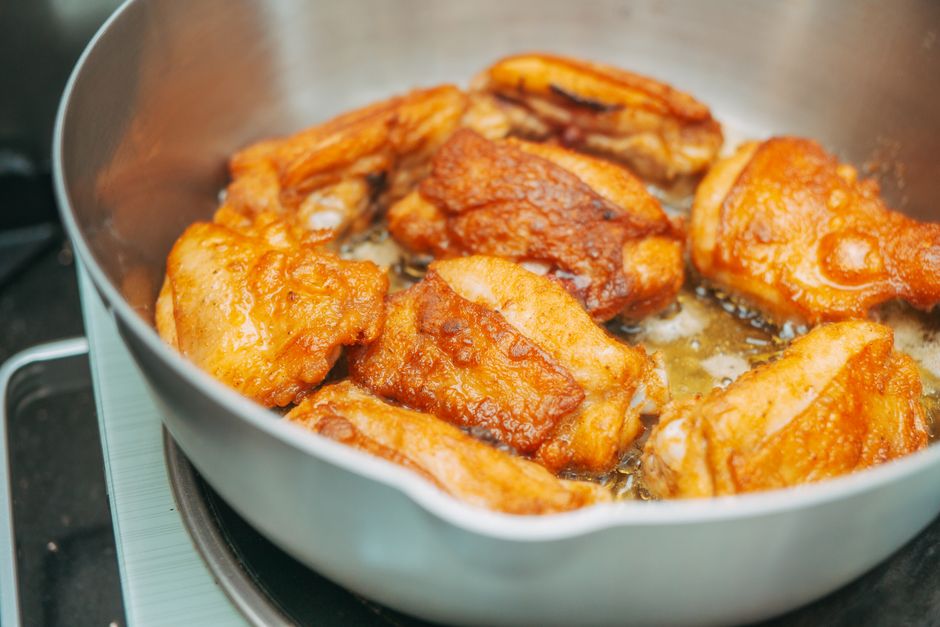
This recipe calls for chicken thighs on purpose, and it's worth knowing why, because it makes the dish nearly foolproof. Thighs are far more forgiving than breasts — they have a little more fat, so they stay juicy and tender even if you cook them a few minutes too long, whereas breast meat turns dry and stringy the moment it's overdone. For a quick, high-heat weeknight recipe like this, that forgiveness is a real gift. The second key is the sear. Don't just gently cook the thighs — get the pan properly hot and let them sear undisturbed for a good 5–6 minutes per side until deeply golden. This does two things: it renders some of the thigh's fat for flavour, and it builds a browned, caramelised crust (the Maillard reaction) that gives the dish its savoury depth and those craveable crispy edges. Resist the urge to poke and move the chicken while it sears; leave it alone so the crust can form. Juicy, forgiving meat plus a proper golden sear is the foundation the sticky glaze gets to shine on.
Tips for the best results
Use boneless thighs for speed, and sear them well to render the fat and build a golden crust. Let the sauce reduce until it visibly thickens and coats the back of a spoon — that's what makes it cling. A splash of rice vinegar balances the sweetness.
Sticky Honey Garlic Chicken Thighs
Crispy-edged chicken thighs in a glossy five-ingredient honey garlic glaze.
☆☆☆☆☆
Ingredients
- 6 boneless skinless chicken thighs
- 1/2 tsp salt
- 1/4 tsp black pepper
- 1 tbsp olive oil
- 5 cloves garlic, minced
- 1/3 cup honey
- 1/4 cup soy sauce
- 2 tbsp rice vinegar
- 1 tsp cornstarch mixed with 1 tbsp water
- Sliced green onion and sesame seeds, to garnish
Instructions
- Step 1. Pat the chicken dry and season with salt and pepper. Heat the oil in a large skillet over medium-high and sear the thighs 5-6 minutes per side until golden and cooked through. Remove to a plate.
- Step 2. Lower the heat to medium. Add the garlic and cook 30 seconds until fragrant.
- Step 3. Stir in the honey, soy sauce, and rice vinegar and bring to a simmer.
- Step 4. Add the cornstarch slurry and simmer 2-3 minutes until the sauce thickens and turns glossy.
- Step 5. Return the chicken to the pan and spoon the glaze over to coat. Garnish with green onion and sesame seeds and serve over rice.
The secret to a glaze that clings (not a watery puddle)
"Sticky" is right there in the name, and getting that glossy, lacquered coating instead of a thin watery sauce comes down to two things. First, let the sauce reduce properly. After the honey, soy, and vinegar go in, let it bubble and simmer until it visibly thickens and coats the back of a spoon — rushing this leaves you with a runny sauce that slides off the chicken. Second, the cornstarch slurry (cornstarch mixed with a little cold water before adding) is what transforms it from a syrup into a glossy, clinging glaze; stirred in and simmered for a couple of minutes, it thickens the sauce so it wraps around each piece of chicken like lacquer. One balance note worth keeping: the rice vinegar isn't optional — without that hit of acidity, all that honey makes the glaze cloyingly sweet, while the vinegar and salty soy keep it savoury and moreish. Taste at the end and adjust: more vinegar to cut sweetness, a splash of water if it gets too thick. Reduced sauce + a cornstarch slurry + balanced acidity = that addictive sticky glaze.
Make it your own
Add grated fresh ginger or a spoonful of sriracha to the sauce, toss in broccoli to cook in the glaze, or use chicken drumsticks (extend the cooking time). The same glaze is fantastic on salmon or tofu.
Frequently asked questions
Can I use chicken breasts? Yes, though thighs stay juicier and are more forgiving. If using breasts, pound them to an even thickness and don't overcook.
Is it very sweet? It's balanced — the soy sauce and vinegar keep the honey in check. Reduce the honey slightly if you prefer it less sweet.
How do I store leftovers? Refrigerate up to 4 days; the flavour deepens overnight. Reheat gently and add a splash of water to loosen the glaze.
Why is my sauce thin and not sticky? It needs reducing and a cornstarch slurry. Simmer the sauce until it coats a spoon, then stir in cornstarch mixed with water and simmer 2-3 minutes until glossy.
Why use chicken thighs instead of breasts? Thighs have more fat, so they stay juicy and forgiving even if slightly overcooked, while breasts dry out fast. For a quick, high-heat recipe, thighs are the safer, tastier choice.
Read next
Related articles
- Easy Slow Cooker Pot Roast
- Marry Me Chicken (Creamy Sun-Dried Tomato)
- “Juicy Air Fryer Chicken Breast (Never Dry Again)”
- Korean Ground Beef Bowl (15-Minute Dinner)
- Creamy Chicken Alfredo Pasta
- Crispy Baked Chicken Parmesan
Further reading & trusted sources
The trick that actually works
Add the honey late — it scorches fast over direct heat. Sear the thighs first, then build the glaze toward the end so it caramelises instead of turning bitter.
Emma thinks a recipe has failed if it needs a long backstory before the ingredients — so hers get straight to the point, with the small technique notes that actually change how a dish turns out. She leads The Nourish Kitchen’s recipes and food guides, writing each one to work in a real, busy kitchen rather than a photo studio. AI tools help with research and drafting, and a human checks every recipe for clarity and food safety before it publishes. Nutrition figures are honest estimates, never guarantees.