 By Emma Hartley, Food Editor
Reviewed & updated September 2026
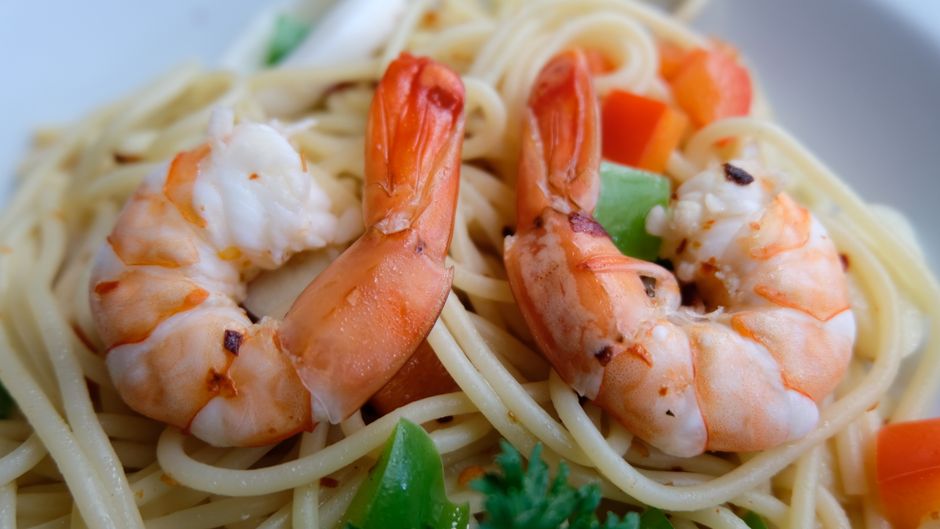
Bright, garlicky, and ready in 25 minutes, this lemon garlic shrimp pasta is proof that a few good ingredients can taste luxurious. Plump shrimp are cooked in a buttery garlic-lemon sauce, then tossed with pasta and a shower of parsley and Parmesan.
It's elegant enough for date night but quick enough for a regular Wednesday — and it uses just one pot and one skillet.
 Jump to a sectionCurated by Emma · 5 min read
Why you'll love this recipe
- Quick. Shrimp cook in minutes, so dinner is fast.
- Bright and fresh. Lemon and garlic keep it light, not heavy.
- Looks impressive. Restaurant-style results with minimal effort.
Tips for the best results
Don't overcook the shrimp — they're done the moment they curl into a "C" and turn pink, usually 2 minutes per side. Reserve some pasta water to bring the sauce together, and add the lemon juice off the heat so it stays vibrant rather than bitter.
Lemon Garlic Shrimp Pasta
Plump shrimp in a buttery garlic-lemon sauce tossed with pasta, parsley, and Parmesan.
☆☆☆☆☆
Ingredients
- 12 oz (340 g) linguine or spaghetti
- 1 lb (450 g) large shrimp, peeled and deveined
- 3 tbsp butter
- 2 tbsp olive oil
- 5 cloves garlic, minced
- 1/4 tsp red pepper flakes
- 1/2 tsp salt, plus more to taste
- Juice and zest of 1 lemon
- 1/3 cup fresh parsley, chopped
- 1/2 cup grated Parmesan
Instructions
- Step 1. Cook the pasta in generously salted water until al dente. Reserve 1/2 cup pasta water, then drain.
- Step 2. Meanwhile, heat the olive oil and 1 tbsp butter in a large skillet over medium-high. Pat the shrimp dry, season with salt, and cook 2 minutes per side until pink. Remove to a plate.
- Step 3. Lower the heat to medium, add the remaining 2 tbsp butter, the garlic, and red pepper flakes, and cook 1 minute until fragrant.
- Step 4. Add the drained pasta with a splash of reserved water and toss. Stir in the lemon zest and juice off the heat.
- Step 5. Return the shrimp to the pan, add the parsley and Parmesan, and toss to coat. Taste, adjust salt, and serve right away.
Make it your own
Add a splash of white wine with the garlic, toss in halved cherry tomatoes or baby spinach, or finish with a pinch of chili for heat. Swap the pasta for zucchini noodles to keep it light.
Frequently asked questions
Can I use frozen shrimp? Yes — thaw them fully and pat very dry so they sear instead of steaming.
What size shrimp is best? Large or jumbo (such as 21/25 count) hold up best and stay juicy. Smaller shrimp cook even faster, so watch them closely.
How do I store leftovers? Refrigerate up to 2 days. Reheat gently — shrimp can turn rubbery if blasted with heat, so warm low and slow with a splash of water.
Read next
Tips, substitutions & storage
Substitutions: No shrimp? Scallops or firm white fish cook just as fast, and thin-sliced chicken works too. Use fresh lemon — bottled juice tastes flat against the garlic.
Storage & reheating: Best fresh, but leftovers keep 2 days. Reheat gently with a splash of water or broth; high microwave heat turns shrimp rubbery.
Serve it with: a crisp salad and crusty bread to mop up the garlicky, buttery sauce.
Related articles
- Garlic Butter Steak Bites
- Easy Chickpea Curry (Chana Masala)
- Creamy Mushroom Risotto
- Homemade Margherita Pizza
- Classic Beef Chili
- Teriyaki Salmon Rice Bowl
Further reading & trusted sources
The detail that makes the difference
Shrimp cook in about two minutes and turn rubbery the second they’re overdone — pull them the moment they curl into a C. And the zest, not just the juice, is where the bright lemon flavour lives.
Emma thinks a recipe has failed if it needs a long backstory before the ingredients — so hers get straight to the point, with the small technique notes that actually change how a dish turns out. She leads The Nourish Kitchen’s recipes and food guides, writing each one to work in a real, busy kitchen rather than a photo studio. AI tools help with research and drafting, and a human checks every recipe for clarity and food safety before it publishes. Nutrition figures are honest estimates, never guarantees.