 By Emma Hartley, Food Editor
Reviewed & updated September 2026
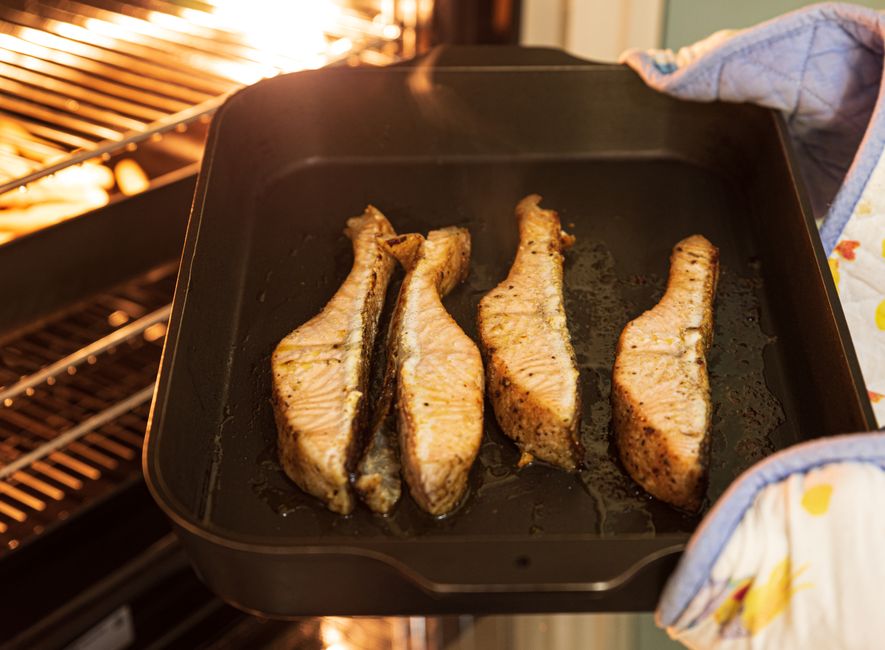
When you want a wholesome dinner with almost no cleanup, sheet-pan salmon is the answer. Flaky, buttery salmon roasts alongside colourful vegetables on one tray, everything brushed with a simple lemon-garlic-herb glaze. It's become my weeknight hero on the nights I want to eat well but absolutely cannot face a pile of dishes — elegant, nourishing, and ready in under 30 minutes.
This is the dinner that makes "eating healthy" feel effortless — high in protein and omega-3s, low in dishes.
 On this pageCurated by Emma · 7 min read
Why you'll love this recipe
- One pan. Protein and veg roast together; cleanup is a single tray.
- Nourishing. Loaded with protein, fibre, and healthy fats.
- Fast. On the table in under 30 minutes.
The timing trick: stagger the pan so nothing's over- or undercooked
The one challenge with any sheet-pan meal is that different foods cook at different speeds — and salmon, which cooks fast and dries out easily, is the most unforgiving. Throw everything on at once and you'll either get perfect salmon with crunchy raw vegetables, or tender vegetables and dry, overcooked fish. The fix is simple staggering: give the slower foods a head start, then add the salmon partway through so everything finishes together. Denser vegetables like broccoli, carrots, or potatoes go in first to roast and start caramelising; then you push them aside, lay the salmon on the hot pan, and roast for the final 10–12 minutes only. Everything comes out of the oven at its peak — golden, tender vegetables and just-flaky fish. (If you were using a quick vegetable like asparagus or cherry tomatoes, you'd add it with the salmon instead, since it cooks at the same fast pace.) Matching each ingredient's cooking time to when it goes on the pan is the whole skill of sheet-pan cooking, and salmon dinners are where it matters most.
Tips for the best results
Give quicker-cooking salmon the right timing by roasting denser vegetables first, then adding the fish. Pat the salmon dry and don't overcook it — pull it at 125-130°F (52-54°C) for moist, just-flaky fillets.
Sheet-Pan Salmon and Vegetables
Flaky lemon-garlic salmon roasted with colorful vegetables on a single sheet pan.
☆☆☆☆☆
Ingredients
- 4 salmon fillets (about 6 oz / 170 g each)
- 1 lb (450 g) broccoli florets
- 2 cups cherry tomatoes
- 3 tbsp olive oil, divided
- 3 cloves garlic, minced
- 1 lemon (half juiced, half sliced)
- 1 tsp dried oregano or Italian seasoning
- 3/4 tsp salt
- 1/4 tsp black pepper
Instructions
- Step 1. Preheat the oven to 400°F (205°C) and line a sheet pan with parchment.
- Step 2. Toss the broccoli and tomatoes with 2 tbsp olive oil, half the garlic, 1/2 tsp salt, and pepper. Spread on the pan and roast 10 minutes.
- Step 3. Meanwhile, pat the salmon dry. Mix the remaining 1 tbsp oil, garlic, lemon juice, oregano, and remaining salt, and brush over the fillets.
- Step 4. Push the vegetables aside, add the salmon to the pan, and top with lemon slices.
- Step 5. Roast 10-12 more minutes until the salmon flakes easily and the vegetables are tender. Serve right away.
Don't overcook the salmon (the one thing people fear most)
Overcooked salmon — dry, chalky, with that unappetising white stuff (albumin) oozing out — is the most common salmon mistake, and it comes from one thing: leaving it in too long. Salmon is done far sooner than people expect, and it keeps cooking from residual heat after it leaves the oven, so the trick is to pull it slightly early. Look for it to flake gently when nudged with a fork and turn from translucent to just-opaque in the centre — if you have an instant-read thermometer, 125–130°F (52–54°C) at the thickest part gives moist, tender fillets that finish to perfect doneness as they rest. A few supporting habits help: pat the fillets really dry before glazing so they roast and lightly caramelise rather than steam in their own moisture; and remember thinner tail-end pieces cook faster than thick centre cuts, so check the thin ones first. Master "pull it early," and salmon goes from intimidating to one of the easiest, fastest proteins you can cook.
Make it your own
Swap broccoli for asparagus, green beans, or bell peppers (add quick-cooking ones with the salmon), and finish with fresh dill or a drizzle of pesto. Add baby potatoes (give them a 15-minute head start) to make it more filling, or sprinkle with chilli flakes for heat.
Frequently asked questions
Can I use frozen salmon? Yes — thaw it fully and pat very dry before brushing with the glaze so it roasts rather than steams.
How do I know when salmon is done? It flakes easily with a fork and turns opaque. For moist fillets, pull it at 125-130°F (52-54°C); it carries over a few degrees as it rests.
What should I serve with it? Rice, quinoa, or crusty bread to round it out, though it's satisfying on its own.
How do I stop the vegetables being undercooked? Give dense vegetables (broccoli, carrots, potatoes) a head start before adding the salmon, and add only quick-cooking veg (asparagus, tomatoes) at the same time as the fish.
What's the white stuff that comes out of salmon? It's albumin, a harmless protein squeezed out when salmon is cooked too hot or too long. Roasting gently and pulling the fish early keeps it moist and minimises it.
Read next
Related articles
- Overnight Oats 5 Delicious Ways
- Easy Chicken Tikka Masala (Restaurant-Style at Home)
- Sheet Pan Chicken Fajitas (20-Minute Dinner)
- Easy One-Pot Chicken and Rice
- Easy Slow Cooker Pot Roast
- Marry Me Chicken (Creamy Sun-Dried Tomato)
Further reading & trusted sources
The detail that makes the difference
Dense veg and salmon don’t cook at the same speed — give the vegetables a head start and add the fish partway through, or you’ll get raw potatoes beside overcooked salmon.
Emma thinks a recipe has failed if it needs a long backstory before the ingredients — so hers get straight to the point, with the small technique notes that actually change how a dish turns out. She leads The Nourish Kitchen’s recipes and food guides, writing each one to work in a real, busy kitchen rather than a photo studio. AI tools help with research and drafting, and a human checks every recipe for clarity and food safety before it publishes. Nutrition figures are honest estimates, never guarantees.