 By Emma Hartley, Food Editor
Reviewed & updated September 2026
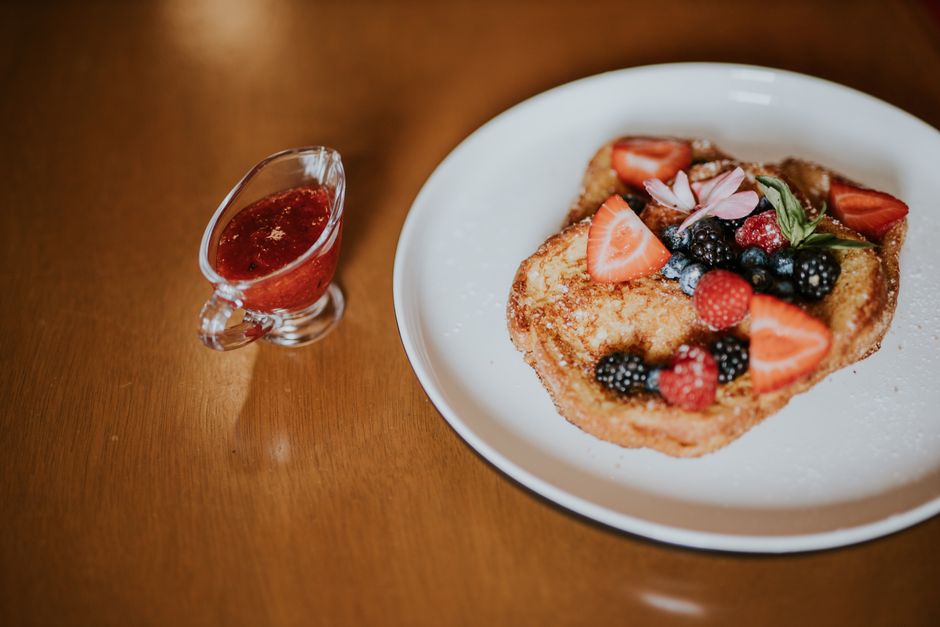
This is the French toast you order at a good brunch spot and wish you could make at home — golden and crisp at the edges, custardy and soft in the middle, warmly spiced with vanilla and cinnamon. The secret isn't fancy: it's the right bread, a properly balanced custard, and a patient medium heat. Master those three and you'll never make soggy, eggy French toast again.
 On this pageCurated by Emma · 7 min read
Why this recipe works
Most French toast fails for one of two reasons: the bread is too thin and fresh (so it turns to mush), or the custard is too eggy (so it tastes like fried omelette). This recipe fixes both. Thick, slightly stale bread acts like a sponge that holds its structure, and a custard with more milk than egg, plus a little sugar and vanilla, soaks in evenly and caramelizes into that signature golden crust.
The best bread for French toast
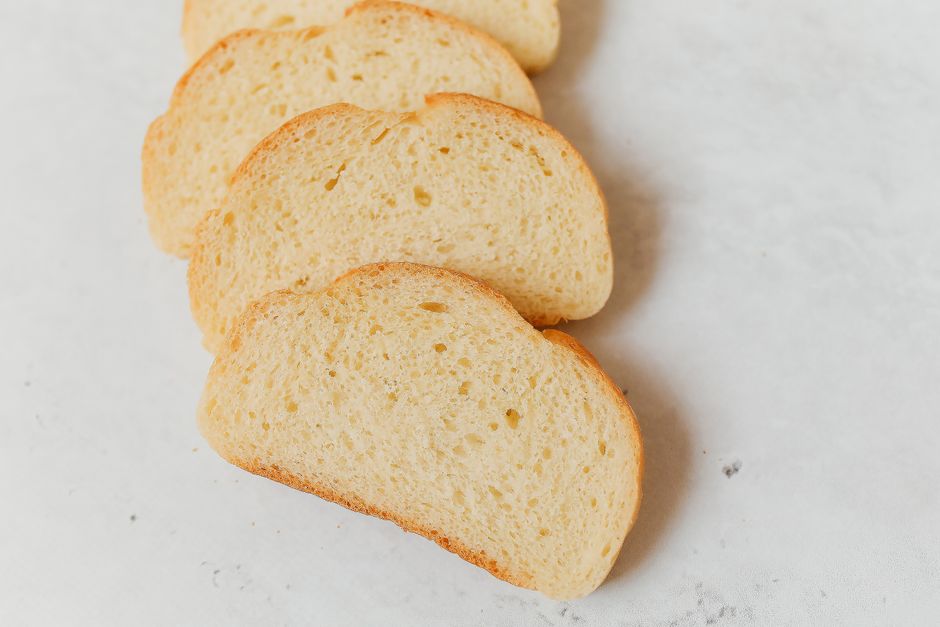
Reach for a sturdy, thick-cut bread: brioche and challah are the gold standard because they're rich and absorbent, but a good Texas toast, French loaf, or day-old sourdough works beautifully too. The key is thickness (about ¾ to 1 inch) and dryness. Fresh bread is too moist; if yours is fresh, leave the slices out for an hour or pop them in a low oven for a few minutes to dry slightly. Dry bread drinks up the custard without falling apart.
Tips for the best results
- Medium heat, not high. Too hot and the outside burns before the inside sets. You want a steady golden-brown over about 3 minutes a side.
- Soak, don't drown. Dip each slice just long enough to coat and absorb — a few seconds a side for soft bread, a touch longer for sturdy bread. Over-soaking is the road to soggy.
- Butter the pan fresh each batch for that crisp, golden edge and rich flavor.
- Keep them warm in a 200°F (95°C) oven on a wire rack while you cook the rest, so they stay crisp instead of steaming on a plate.
Fluffy French Toast
Golden, crisp-edged French toast that’s custardy in the middle — made with thick bread, a balanced vanilla-cinnamon custard, and patient medium heat.
☆☆☆☆☆
Ingredients
- 8 thick slices brioche or challah (about 3/4-inch, slightly stale)
- 4 large eggs
- 1 cup whole milk
- 2 tablespoons sugar
- 2 teaspoons vanilla extract
- 1 teaspoon ground cinnamon
- Pinch of salt
- 2 tablespoons butter, for the pan
- Maple syrup, powdered sugar, and fresh berries, to serve
Instructions
- Step 1. In a wide, shallow dish, whisk together the eggs, milk, sugar, vanilla, cinnamon, and salt until fully combined and no streaks of egg remain.
- Step 2. Heat a large skillet or griddle over medium heat and melt about half a tablespoon of butter, swirling to coat.
- Step 3. Dip a slice of bread into the custard, letting it soak a few seconds per side so it absorbs without falling apart. Let excess drip off.
- Step 4. Cook 2 to 3 minutes per side, until deep golden brown and set in the center. Adjust the heat down if it browns too fast.
- Step 5. Wipe the pan and add fresh butter between batches. Keep finished slices warm on a wire rack in a 200°F oven.
- Step 6. Serve hot, dusted with powdered sugar and topped with berries and a generous pour of maple syrup.
Easy variations
- Stuffed French toast: spread a little sweetened cream cheese between two slices before dipping for a decadent twist.
- Eggnog or pumpkin spice: swap part of the milk for eggnog, or add a spoonful of pumpkin purée and pumpkin spice for fall.
- Dairy-free: use a barista-style oat or almond milk — it custards up nicely.
- Savory option: skip the sugar and cinnamon, add a pinch of pepper, and top with a fried egg.
How to store and reheat
French toast keeps well, making it great for meal prep. Cool the slices completely, then refrigerate in an airtight container for up to 4 days, or freeze in a single layer before transferring to a bag for up to 2 months. Reheat in a toaster, an air fryer, or a 350°F oven rather than the microwave — dry heat brings the crisp edges back, while the microwave makes them rubbery.
The takeaway
Great French toast comes down to thick, slightly dry bread, a custard with more milk than egg, and patient medium heat. Soak just enough to coat, cook to a deep golden brown about 3 minutes a side, and keep batches warm on a rack so they stay crisp. Finish with berries, powdered sugar, and real maple syrup — and you've got a brunch-worthy breakfast in 25 minutes.
Frequently asked questions
What is the best bread for French toast?
Thick, sturdy, slightly stale bread works best — brioche and challah are ideal because they're rich and absorbent, but Texas toast, a French loaf, or day-old sourdough also work. Aim for ¾- to 1-inch slices, and dry fresh bread out a little first so it soaks up custard without turning to mush.
Why is my French toast soggy?
Usually the bread is too fresh or thin, the custard is over-soaked, or the heat is too low. Use thick, slightly stale bread, dip just long enough to coat, and cook over steady medium heat until deeply golden so the center sets.
Can I make French toast ahead of time?
Yes. Cook it, cool completely, then refrigerate up to 4 days or freeze up to 2 months. Reheat in a toaster, air fryer, or 350°F oven to restore the crisp edges — avoid the microwave, which makes it rubbery.
How do I keep French toast warm and crisp while cooking batches?
Place finished slices on a wire rack set over a baking sheet in a 200°F (95°C) oven. The rack lets air circulate so they stay crisp, rather than steaming and going soft on a stacked plate.
Read next
Related articles
- Make-Ahead Freezer Breakfast Burritos
- The Best Moist Banana Bread
- High-Protein Breakfast Ideas to Keep You Full
- Easy Shakshuka Recipe (One-Pan Eggs in Spiced Tomato Sauce)
- Bakery-Style Blueberry Muffins
- Overnight Oats 5 Delicious Ways
Further reading & trusted sources
Worth knowing before you start
Slightly stale bread soaks up custard without falling apart; fresh soft bread turns to mush. If yours is too fresh, dry the slices in a low oven for a few minutes first.
Emma thinks a recipe has failed if it needs a long backstory before the ingredients — so hers get straight to the point, with the small technique notes that actually change how a dish turns out. She leads The Nourish Kitchen’s recipes and food guides, writing each one to work in a real, busy kitchen rather than a photo studio. AI tools help with research and drafting, and a human checks every recipe for clarity and food safety before it publishes. Nutrition figures are honest estimates, never guarantees.