 By Emma Hartley, Food Editor
Reviewed & updated September 2026
Meal prep only works if it fits into a real week — not a fantasy one where you have three free hours every Sunday. This guide covers the actual system behind sustainable meal prep, plus where to start if you're building your first week from scratch.
 Jump to a sectionCurated by Emma · 7 min read
- Why most people quit meal prep within a month
- The three meal prep styles (and which one fits your week)
- Building a 5-day plan
- High-protein meal prep
- Budget meal prep
- Breakfast and lunch, solved separately
- Storage: what actually keeps food fresh
- Common meal prep mistakes
- The takeaway
- Further reading & trusted sources
Why most people quit meal prep within a month
The most common reason meal prep fails isn't lack of discipline — it's picking recipes that don't reheat well or a batch size that doesn't match how many meals you'll actually eat before things go stale. A pan of food that gets ignored by Thursday because it's boring by day three isn't a meal prep win, no matter how organized the Sunday session looked. The fix is smaller, more varied batches built around a repeatable system rather than one giant single dish eaten five days straight.
If you're prepping for the first time, start with our meal prep for beginners guide — it covers the basic container, storage, and portioning setup this whole guide builds on.
The three meal prep styles (and which one fits your week)
Batch cooking — cook one large recipe, portion it into 4-5 containers, eat it across the week. Best for people who don't mind repetition and want minimal decision-making.
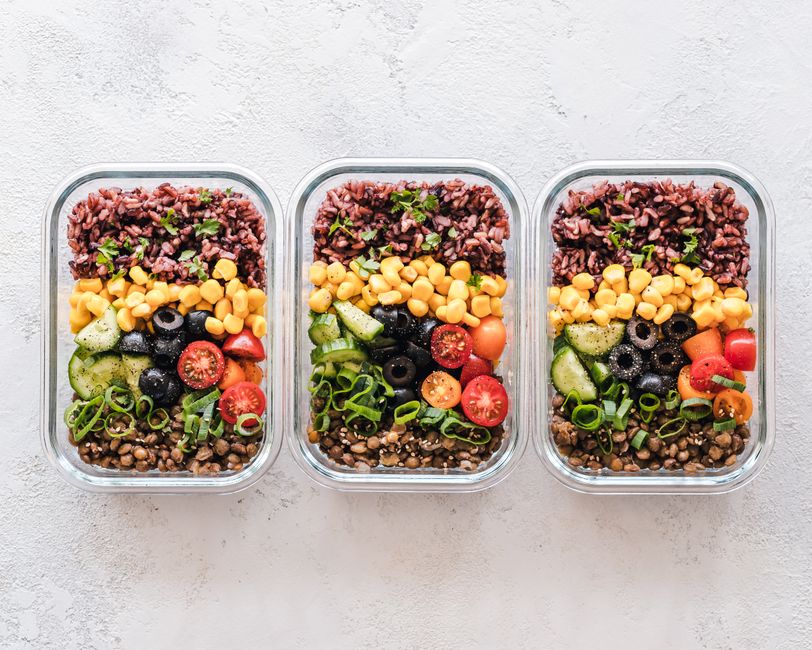
Component prep — cook proteins, grains, and vegetables separately, then mix and match them into different meals through the week. This is the style with the best staying power for most people, since it avoids the "same meal every day" fatigue that kills batch cooking for a lot of home cooks.
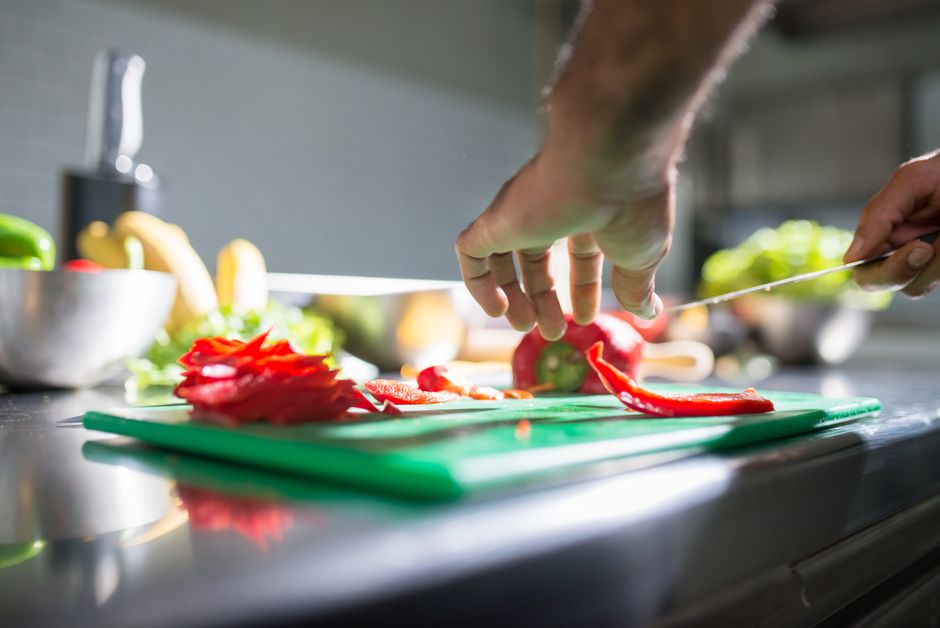
Ready-to-assemble — wash, chop, and portion ingredients without fully cooking them, so a fresh meal comes together in 10-15 minutes on a weeknight instead of 45. Best for people who actually enjoy cooking but not the daily grocery-and-chop routine.
Most sustainable routines end up as a hybrid: one or two batch-cooked proteins, a couple of prepped grains, and fresh vegetables added closer to eating.
Building a 5-day plan
A simple, repeatable structure removes most of the decision fatigue that derails meal prep. Whether you're planning a full breakfast-lunch-dinner week or just dinners, the underlying formula is the same:
- Pick 2 proteins (one you can batch-cook, one quick-cooking for variety)
- Pick 2 carb bases (a grain like rice or quinoa, plus something like roasted potatoes)
- Pick 3-4 vegetables across different cooking methods (roasted, raw, sautéed) so nothing tastes repetitive
- Pick 2 sauces or dressings — this is the single biggest lever for making the same base ingredients taste different across the week
High-protein meal prep
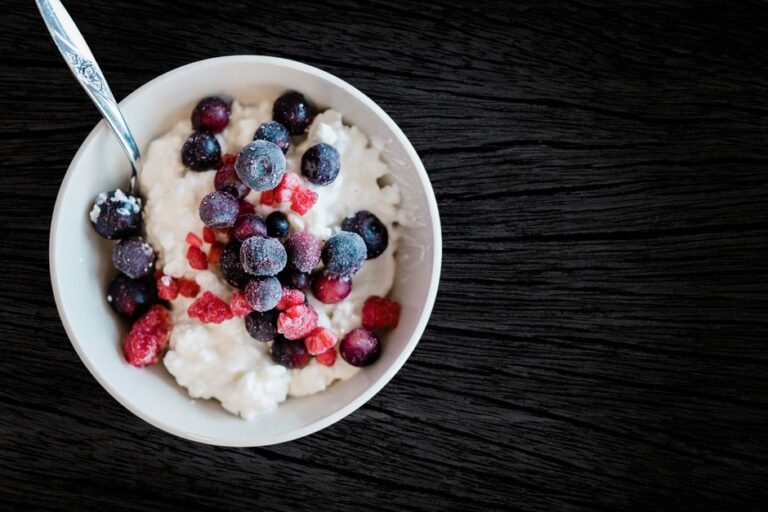
Protein targets are one of the main reasons people meal prep in the first place, since hitting a daily protein goal is much harder to do spontaneously than with food already prepped and ready. Recipes like cottage cheese recipes and high-protein breakfast ideas are two of the easiest wins to fold into a prep day since both hold up well in the fridge for days.
Budget meal prep
Meal prep is also one of the most effective ways to cut a grocery bill, since batch-buying and cooking staples in bulk consistently costs less per serving than cooking small amounts daily or ordering out. Dried beans, eggs, frozen vegetables, and bulk grains do most of the heavy lifting in a budget-focused week built with the same component-prep approach covered above.
Breakfast and lunch, solved separately
Dinner tends to get the most meal prep attention, but breakfast and lunch are actually where prep saves the most time day to day, since they're the meals most likely to get skipped or replaced with something expensive when nothing's ready. Overnight oats cover breakfast in five different flavor directions using the same base method — the same logic applies to lunch: prep the components once, then assemble a fresh combination in under 15 minutes each day.
Storage: what actually keeps food fresh
Most cooked proteins and grains hold up well in the fridge for 4 days; after that, quality (not necessarily safety) drops noticeably. Freezing portions you won't eat within 3-4 days — rather than letting them sit in the fridge hoping you'll get to them — is the single change that prevents the most food waste in a meal prep routine. Glass containers reheat more evenly than plastic in the microwave and don't hold onto sauce staining or odors the way plastic can over repeated uses.
Common meal prep mistakes
- Prepping too much of one dish. Five days of the exact same meal is the fastest way to abandon meal prep by Wednesday — vary at least the sauce or one component.
- Skipping the sauce or seasoning step. Bland prepped food gets ignored in favor of ordering out, even when it's technically "ready to eat."
- Not accounting for a busy week. Build in one flexible meal or a frozen backup for the day something inevitably comes up.
- Reheating everything the same way. Rice and roasted vegetables reheat better with a splash of water covered in the microwave; proteins often do better reheated in a pan to avoid drying out.
The takeaway
Meal prep works when the system matches your actual week — enough variety that you don't get bored, portions sized to what you'll really eat, and a storage routine that keeps food fresh instead of forgotten. Start small with one of the guides linked above, whether that's a full 5-day plan, a high-protein focus, or a budget-first approach, and build from there once the basic rhythm feels natural.
Frequently asked questions
How long does meal-prepped food actually stay fresh?
Most cooked proteins, grains, and vegetables hold up well in the fridge for about 4 days. Beyond that, freeze individual portions instead of letting them sit and lose quality.
Is meal prep actually cheaper than not prepping?
Generally yes — buying staples in bulk and cooking at home consistently costs less per serving than daily small purchases or takeout, especially when built around affordable staples like grains, eggs, and frozen vegetables.
How do I keep meal-prepped food from getting boring?
Vary the sauce or seasoning across the week even if the base protein and grain stay the same, and prep vegetables using at least two different cooking methods (roasted and raw, for example) rather than one.
Do I need special containers for meal prep?
No, but glass containers reheat more evenly and resist staining and odor better than plastic over repeated use, which makes them worth the investment if you're prepping regularly.
Read next
Further reading & trusted sources
Worth knowing before you start
Rice and other starches actually develop more resistant starch after being cooked and then cooled in the fridge, which is why meal-prepped rice eaten cold or reheated can have a measurably gentler blood sugar impact than the same rice eaten fresh off the stove — reheating doesn’t undo that change once it’s formed. The biggest gap between meal-prep plans that stick and ones that get abandoned by Wednesday usually isn’t the cooking itself, it’s batching one dish too large to eat within its safe fridge window, so the last portion or two gets tossed instead of eaten.
Emma thinks a recipe has failed if it needs a long backstory before the ingredients — so hers get straight to the point, with the small technique notes that actually change how a dish turns out. She leads The Nourish Kitchen’s recipes and food guides, writing each one to work in a real, busy kitchen rather than a photo studio. AI tools help with research and drafting, and a human checks every recipe for clarity and food safety before it publishes. Nutrition figures are honest estimates, never guarantees.